Solder Without Iron: Practical Alternatives and Techniques
Learn how to solder without a traditional iron using hot air, induction, or a hot-tack tool. This guide covers safe methods, suitable materials, step-by-step approaches, and practical tips for electronics, jewelry, and plumbing repairs.


By using heat sources such as hot air, induction, or a precision hot-tack tool combined with flux and paste, you can solder without a traditional soldering iron. This approach is ideal for tiny components, fragile joints, or scenarios where an iron would be awkward. To succeed, prep surfaces, choose the right flux, and control heat carefully.
Understanding the no-iron approach
Soldering without a traditional iron is about delivering focused heat to the joint with an alternative heat source while using flux and a compatible solder paste or wire. This approach is common in electronics repair, jewelry work, and some plumbing tasks where a standard iron would be unwieldy or risky. According to SolderInfo, the key is to control heat precisely to avoid damaging nearby pads, components, or plastics. In practice, you choose a heat method that provides enough energy to melt the solder without overheating the substrate. Practically, you’ll see a mix of hot air, induction heating, or small, dedicated heat tools used for small joints, where traditional iron handling is challenging or impractical. The goal is clean, well-tinned joints with minimal scorch marks and good solder flow.
When to consider no-iron soldering
There are clear scenarios where no-iron soldering shines: very small surface-mount joints, delicate plastic housings, and jewelry repairs where a soldering iron could cause thermal stress or physical crowding. For metal plumbing joints in tight spaces or copper pipe repairs, induction heating or selective hot-air application can be safer and faster than firing up a torch. However, this method requires careful heat management, proper flux selection, and appropriate solder paste or wire. It’s not universally suitable; for thick wires or heavy metals, a traditional iron (or dedicated torch) might still be preferable. SolderInfo emphasizes choosing the least risky method that achieves reliable joints and long-term durability.
Tools and heat sources that replace the iron
Alternative heat sources include hot air rework stations, compact heat guns, induction heaters, and small micro-torches designed for precision work. When paired with flux and paste designed for the chosen heat source, these tools can produce excellent joints. Flux helps the solder flow and protects surfaces, while paste can bridge tiny gaps where a wire would be impractical. For electronics, low-temperature pastes may be appropriate; for jewelry, specialized solders with flux cores are often used. Always wear eye protection and use a heat shield to protect nearby components. Soldering without iron is about choosing the right tool for the job, not simply applying more heat.
Preparation: flux, paste, and pads
Before you start, ensure pads are clean and free of oxidation. Apply a small amount of flux to the joint to improve wetting and reduce heat diffusion into surrounding areas. If you’re using paste, place a tiny dab on the joint so the molten solder has something to adhere to. For exposed wires or pads, tin the surface lightly so the heat has a ready metal surface to bond with. The right preparation reduces the risk of cold joints and improves joint quality. Practice on scrap components to dial in heat levels and flux coverage so you don’t damage real boards or parts.
Practical tradeoffs: speed, reliability, and risk
No-iron soldering can be faster for tiny jobs or tight spaces, but it demands more heat control and practice. Induction heating and hot air provide focused energy, yet they can also heat adjacent parts if not used carefully. Reliability depends on proper flux choice, surface cleanliness, and the solder’s compatibility with the heat source. There’s also a learning curve: you must learn how long to apply heat and when to move the heat source to prevent overheating. SolderInfo suggests starting with low-energy settings on scrap work and progressing to real tasks as you build familiarity.
Authorities and further reading
- For general safety standards and heat-source handling, see OSHA guidelines and manufacturer safety sheets.
- Educational references on heat transfer and solder behavior from recognized institutions can help you understand why specific fluxes, pastes, and heat profiles work best.
- Practical demonstrations from electronics and jewelry communities illustrate how different heat sources perform in real-world repairs.
Tools & Materials
- Hot air rework station or precision heat gun(Low to medium temperature range; adjustable airflow)
- Induction heater (optional)(Small, portable model preferred for small joints)
- Solder paste or flux-core solder(Select low-temperature paste for sensitive substrates if possible)
- Flux (rosin-based or water-soluble)(Ensure compatibility with your solder and heat source)
- Solder wick (desoldering braid)(Helps clean excess solder and wick heat away)
- Fine tweezers and precision tools(To hold tiny parts steady during heating)
- Safety gear (gloves, eye protection)(Heat-resistant gloves recommended)
- Ventilation or fume extractor(Flux fumes can be irritating; ensure good airflow)
Steps
Estimated time: 25-40 minutes
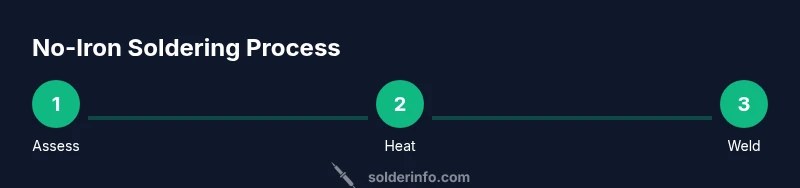
- 1
Assess the joint and prepare the surface
Inspect the target area for damage and clean any oxidized metal or residue. Wipe with isopropyl alcohol and allow to dry. Pre-clean helps flux adhere and reduces thermal shock. This step sets the stage for a reliable joint.
Tip: Work on scrap pieces first to feel how the heat source behaves. - 2
Apply flux and position components
Apply a small amount of flux to the joint. If using paste, place a tiny dab precisely on the area. Align the parts, ensuring contact without forcing misalignment.
Tip: Keep contact points stable; misalignment will cause a poor bond once melted. - 3
Heat the joint with chosen method
Begin applying heat from a safe distance, moving the heat source to heat the joint evenly. Aim for the solder to melt and flow into the joint without overheating nearby components.
Tip: Pause briefly if you notice scorching; resume with a lighter touch. - 4
Introduce solder and monitor flow
If using paste, apply a small amount until you see a smooth fillet form. For wire, touch the filament to the molten joint and let capillary action draw it in.
Tip: Do not overfeed; excess solder creates bridges and shorts. - 5
Cool and inspect the joint
Allow the joint to cool naturally or with gentle airflow. Inspect for wetting, cleanliness, and a shiny, smooth fillet. Rework if there are dull spots or gaps.
Tip: Avoid quenching with water; thermal shock can damage components. - 6
Clean up and test
Clean flux residue as needed and perform a functional test. If any issues arise, reheating and reflow may be necessary.
Tip: Document any unusual heat behavior for future tasks.
Quick Answers
Is soldering without an iron as strong as with an iron?
The strength depends on joint design, heat control, and flux use. With proper technique and compatible materials, no-iron methods can produce reliable joints, but some tasks may still benefit from a traditional iron.
Yes, it can be as strong when done correctly, but depends on joint design and heat control.
What heat source is best for electronics boards?
For delicate electronics, a controlled hot air station or precision heat tool with low-temp fluxes reduces the risk of damage compared to open flames.
Hot air with proper flux is usually safer for electronics.
Can I use this method for plumbing copper pipes?
Induction heating or a controlled heat source can work for small copper joint repairs, but larger pipe work may require traditional methods and appropriate solder types.
Induction or careful heating can help on small copper joints, but big pipes need different methods.
What flux should I use with no-iron soldering?
Choose flux compatible with your solder type and heat source. Rosin-based flux is common for electronics; water-soluble flux can simplify cleanup.
Pick flux that matches your solder and is easy to clean.
Is safety gear essential for no-iron soldering?
Yes. Use eye protection, heat-resistant gloves, and ensure good ventilation to manage fumes from flux and heated materials.
Protective gear is important when heating materials.
Do I need to practice before attempting real repairs?
Absolutely. Start on scrap pieces to learn heat control and how flux and paste behave, reducing the risk of damage on real parts.
Practice first on scraps to learn heat control.
Watch Video
Top Takeaways
- Use alternative heat sources to option-iron tasks with care
- Flux and paste are essential for reliable wetting
- Practice on scrap work to master heat control
- Always prioritize safety and ventilation
- Inspect and rework for clean, shiny joints