Solder Without Heat Gun: Safe Alternatives and Techniques
Learn practical, safe methods to solder without a heat gun, including using a soldering iron, preheaters, and epoxy alternatives. This educational guide covers electronics, jewelry, and plumbing applications with tips, safety, and troubleshooting.


This guide shows you how to solder without a heat gun by using controlled heat sources such as a traditional soldering iron, low-melt alloys, or conductive epoxy for non-metal joints. It covers setup, safety, suitable applications, and troubleshooting to help electronics, jewelry, and plumbing projects succeed without hot-air. You’ll learn when to choose these methods and how to optimize outcomes.
Why Solder Without a Heat Gun Matters
According to SolderInfo, heat management is critical when joining sensitive electronics or tiny components. Soldering without a heat gun reduces the risk of thermal damage to PCB traces, plastic housings, and delicate jewelry settings by relying on controlled, localized heat sources. This approach is especially valuable for temperature-sensitive substrates like polyimide circuits and pre-wired harnesses found in jewelry and plumbing fixtures. In this section, we’ll explain when to choose no-heat alternatives, and how to match your method to the material and joint type. We’ll also touch on safety basics and why precision matters for durable joints.
Heat control matters because rapid, uncontrolled heating can cause delamination, wick away solder, or damage insulation. By planning heat delivery and selecting appropriate heat sources, you can achieve reliable joints with less risk to surrounding parts. The no-heat-gun approach is not a universal fix, but it offers safer options for delicate assemblies and temperature-sensitive substrates.
Core Methods You Can Use Without a Heat Gun
There are several proven paths to solder without hot air. First, a traditional soldering iron with a temperature-controlled tip is the most common method for electronics, jewelry, and plumbing joints. Use a low-melt alloy when possible and ensure the iron is properly tinned. Second, preheating the workpiece with a hot plate or dedicated preheater can reduce the heat required at the joint, lowering the risk of overheating adjacent components. Third, for some applications, resistance heating or induction heating devices can localize heat to the joint without blasting heat across the entire assembly. Fourth, where electrical conduction isn’t required or the joint is non-metallic, conductive epoxy provides an alternative bonding method that doesn’t rely on melting metal. Each method has trade-offs: speed versus control, hardware needs, and compatibility with materials. This section lays out which method fits electronics, jewelry, or plumbing projects and how to adapt it to your specific joint.
Surface Prep and Flux for Best Joints
Quality joints start with clean surfaces and the right flux. Remove oxidation with isopropyl alcohol and a lint-free pad; lightly abrade plated surfaces when appropriate. Flux helps prevent oxidation and improves heat transfer to the metal, making the joint easier to form with minimal heat. For electronics, flux helps protect delicate pads; for jewelry, it optimizes metal flow without overheating settings; for plumbing, flux supports copper joints and reduces the risk of leaks. Use rosin-core or no-clean flux as appropriate for your application, and always wipe away excess residue after the joint cools. Good surface prep reduces the amount of heat required and improves joint reliability.
Selecting Materials and Tools for No-Heat Soldering
Choosing the right materials determines success without a heat gun. Start with a temperature-controlled soldering iron and a compatible low-melt solder alloy. If you frequently work on heat-sensitive components, consider a preheater to distribute heat more evenly. Keep flux available and select solder wick for cleanup and flush joints. For non-electrical repairs, consider conductive epoxy as a last resort. Remember to keep your tools clean and well-maintained; a clean tip transfers heat more efficiently and reduces the risk of cold joints. This section helps you assemble a practical toolkit tailored to electronics, jewelry, and plumbing work.
Step-By-Step Overview: No-Heat Approach (High-Level)
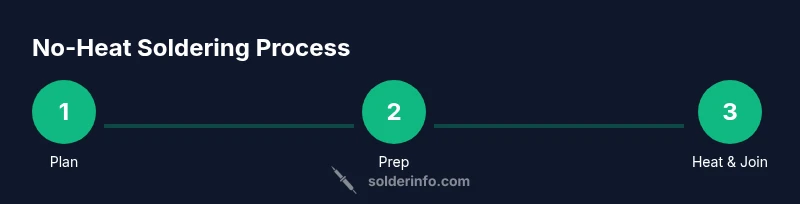
This overview describes the flow of a no-heat approach without duplicating the detailed steps in the Step-by-Step section. Plan your joints with heat-sensitive areas in mind, choose the right heat source, prep surfaces and flux, apply heat precisely to the joint, and inspect the finished bond. Practice on scrap pieces to calibrate temperature and timing before tackling your actual project. The goal is reliable joints with clean electrical or mechanical connections, achieved through controlled heat delivery and careful material selection.
Safety, Warnings, and Maintenance
Working without a heat gun reduces some hazards but introduces others. Always work in a ventilated area and use eye protection. Hot tools pose burn risks; use clamps or heat sinks to protect nearby components. Proper ventilation helps manage flux fumes; never work with lead-containing solders in jewelry where prosthetic or skin contact is likely. Regularly inspect tips for wear, replace when pitted, and clean with tip tinner when needed. This section provides safety strategies to keep you productive and minimize accidents.
Applications by Material: Electronics, Jewelry, Plumbing
Different materials demand different approaches. Electronics benefit from precise heat control and moderate temperatures with flux; jewelry may require gentle heating to avoid melting gemstones or settings; plumbing uses copper and aluminum alloys that can tolerate higher heat but still need controlled application. This section helps you tailor your method to the material you’re working with and understand which no-heat alternatives work best for each domain.
Troubleshooting and Common Mistakes
Common issues include cold joints, overheating adjacent components, and poor flux management. If a joint looks dull or fractured, rework with fresh flux and a controlled heat pulse, ensuring you haven’t damaged nearby parts. Avoid excessive heat for long periods; instead, apply heat in short intervals and evaluate the joint before proceeding. By anticipating these pitfalls, you’ll improve reliability and reduce rework.
Tools & Materials
- Soldering iron (temperature-controlled)(Set to appropriate temperature for the alloy; use a fine tip for small joints.)
- Low-melt solder alloy(Choose compatible alloy for your substrate (lead-containing or lead-free as needed).)
- Flux (rosin-core or no-clean)(Choose flux appropriate for your material; rosin-core for electronics, no-clean for jewelry.)
- Solder wick (flux-coated)(Use to remove excess solder and flush joints.)
- Preheater or hot plate (optional)(Reduces heat required at the joint; especially helpful for larger assemblies.)
- Helping hands or clamps(Keeps components stable during heating.)
- Conductive epoxy (optional)(Alternative bonding method for non-metal joints.)
- Isopropyl alcohol (rubbing)(For surface cleaning prior to soldering.)
- Safety equipment(Safety glasses, fume extractor or adequate ventilation.)
Steps
Estimated time: 60-90 minutes
- 1
Set up a safe workspace
Clear the area, secure the workpiece, and ensure good ventilation. Have all tools at hand and position heat-sensitive components away from the heat source. A clean, organized setup minimizes mistakes.
Tip: Use a dedicated heat-resistant mat and keep liquids away from tools. - 2
Clean and prepare surfaces
Wipe components with isopropyl alcohol to remove oils. Lightly abrade contact surfaces if needed to improve solder adhesion. Dry surfaces thoroughly before applying flux.
Tip: Avoid excessive abrasion; you only need a small amount of roughness. - 3
Choose solder and flux
Select a solder alloy compatible with your substrate and a flux type suited to the application. For electronics, rosin-core flux helps; for jewelry, consider a non-corrosive flux compatible with metals.
Tip: Check manufacturer guidelines for temperature ranges. - 4
Tin the tip and apply flux
Lightly tin the iron tip and apply a thin layer of flux to the joint. A well-tinned tip transfers heat efficiently and prevents oxidation during heating.
Tip: Keep flux away from heat-sensitive components to avoid thermal damage. - 5
Apply heat to the joint
Hat heat is delivered directly to the joint using the iron or a preheater. Keep sessions brief; pulse heat and move slowly to allow solder to flow without excessive spread.
Tip: Use a heat sink when nearby components are heat-sensitive. - 6
Make the joint and inspect
Feed solder to the join from a steady angle; avoid splashing or bridging. Inspect for a smooth, glossy joint without voids or dull, cracked sections.
Tip: If in doubt, rework with fresh flux and a short heat pulse. - 7
Cool, clean, and test
Allow the joint to cool naturally, then clean residue and test for continuity and mechanical integrity. Rework if the joint looks suspect or tests fail.
Tip: Cool slowly to prevent thermal shock to delicate components.
Quick Answers
Is soldering without a heat gun suitable for all electronics?
Not all electronics. Delicate ICs or densely packed boards may still require controlled heat. Use low-temperature solder and a careful technique to minimize risk, and consider a preheater for larger assemblies.
Not all electronics; use low-temperature solder and careful heating, and consider a preheater for larger boards.
Can I replace solder with epoxy in electronics?
Epoxy can bond some non-conductive joints or mechanical parts, but it cannot replace solder for electrical connections. Use epoxy only where conductivity is not required and follow proper curing guidelines.
Epoxy can bond non-conductive joints, but it can’t replace solder for electrical connections.
What is the best practice when using a preheater?
Preheating should distribute heat evenly without overheating components. Use controlled, gradual heating and monitor the joint closely to avoid thermal shock or solder blowout.
Preheat gradually and monitor the joint to avoid overheating.
Lead-containing solders vs lead-free—what should I choose?
Lead-containing solders often melt at lower temperatures, but many projects require lead-free versions for safety and compliance. Match your choice to the application and ensure proper ventilation when using lead-containing alloys.
Lead-free is common and safer; if using lead-containing solder, ensure good ventilation.
What safety precautions are essential when not using a heat gun?
Ensure good ventilation for fumes, wear eye protection, and keep flammable materials away from hot tools. Have a water source nearby for accidental burns and take breaks to avoid fatigue.
Ventilate the area, wear eye protection, and keep flammables away from hot tools.
How do I prevent cold joints when not using a heat gun?
Ensure proper flux, clean surfaces, and adequate heat transfer during the joint. If a joint looks dull, rework with fresh flux and a brief heat pulse to improve flow and bonding.
Use good flux, clean surfaces, and apply heat evenly; rework if joints look dull.
Watch Video
Top Takeaways
- Choose the right heat-control method
- Prepare and clean surfaces thoroughly
- Use appropriate flux and solder
- Inspect and test joints after cooling