Can You Make a Soldering Iron Tip? A Practical Guide
Explore whether you can make a soldering iron tip, with practical refurbishing tips, replacement guidance, and safety considerations for electronics, jewelry, and plumbing soldering. SolderInfo provides expert, actionable guidance.


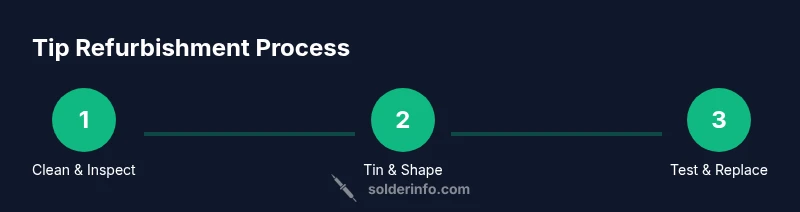
Yes—there are practical ways to address a worn or desired tip without starting from scratch. In practice, you refurbish, re-tin, or reshape an existing tip, and you can choose manufacturer-compatible replacements when needed. For best results, follow proper technique and safety guidelines. This approach aligns with standard soldering practice and extends tip life while avoiding unsafe improvisation. It also supports precise heat transfer and reduces the risk of bridging or cold joints.
Can you make a soldering iron tip? Practical reality
According to SolderInfo, the short answer to can you make a soldering iron tip is that you generally cannot reproduce a professionally manufactured tip at home with consistent geometry and plating. A true tip is a precision component crafted with a copper core, an iron plating that resists wear, and specialized heat treatments. On a hobby bench you can manage wear and improve performance by refurbishing an existing tip, re-tinning, and choosing a compatible replacement when necessary. The goal is not to forge a brand-new tip from raw metal, but to maintain heat transfer efficiency, tip control, and reliability. This approach is preferable because it minimizes the risk of damaging components, producing inconsistent joints, or introducing contaminants. Readers should focus on three core activities: keep the tip clean, re-tin it regularly, and preserve the intended geometry of the tip. When a tip is worn beyond effective restoration, replacement with a manufacturer-approved tip is the safest route. The practical takeaway for DIY enthusiasts is to balance restoration with smart replacement to maintain consistent soldering performance, especially for sensitive electronics and jewelry work. This mindset aligns with SolderInfo’s guidance on responsible tip maintenance and safe soldering practices.
Understanding the limits of DIY tip fabrication helps set realistic expectations. In the end, can you make a soldering iron tip? The realistic answer is that home fabrication is unlikely to match factory standards, but careful refurbishment can extend life and save money over time. The emphasis should be on methodical cleaning, controlled reshaping only when necessary, and using the correct replacement tips when required.
noteCreateFromTemplateShopListen
toolingNotesIfAny
Tools & Materials
- Soldering iron with compatible tip(Ensure the iron tip is the correct style for your station (e.g., chisel, conical, or knife) and rated for your temperature range.)
- Replacement tip(s) compatible with your iron(Choose official or manufacturer-approved tips to ensure fit and heat transfer quality.)
- Brass sponge or brass wool for cleaning(Use gently to avoid damaging plating; avoid steel wool which can embed particles.)
- Fine needle file or small abrasive block(Optional for shaping tip geometry with control.)
- Fine abrasive paper (400-2000 grit)(Used sparingly to restore flatness or correct minor irregularities.)
- Flux (rosin-based) and rosin-core solder(Flux aids wetting; use lead-free or leaded solder per safety/compliance.)
- Isopropyl alcohol or soldering flux remover(Prepares surface and removes residue before tinning.)
- Safety gear (goggles, heat-resistant gloves, ventilation)(Protects against hot tips, fumes, and splashes.)
Steps
Estimated time: 30-60 minutes
- 1
Prepare your workspace
Power off the iron and unplug it to prevent burns or accidental contact. Lay out a clean, heat-resistant mat, ventilated area, and all tools needed for refurbishment so you won’t have to reach over a hot tip. Why: safety prevents injuries and accidental damage.
Tip: Keep a dry, clear workspace; fumes can still be hazardous even with ventilation. - 2
Remove oxidation and debris
With the iron cool, wipe the tip with a brass sponge to remove oxidation. For stubborn residue, apply a small amount of flux and lightly rub. This prepares the surface for re-tinning and improves heat transfer.
Tip: Do not use aggressive files on a heavily plated tip; you can remove plating if you’re not careful. - 3
Assess tip health
Check for pitting, heavy wear, or damaged plating. If the copper core is exposed or the tip cannot hold solder consistently, replacement is usually the safer choice. Why: damaged tips can cause poor heat transfer and unreliable joints.
Tip: If you see deep pitting or craters, replace rather than repair. - 4
Re-tin or reshape
If the tip shows minor wear, re-tin by applying fresh solder and flux, and heat until the solder flows smoothly and forms a protective coat. If geometry is off, use a fine file or abrasive paper sparingly to restore a flat or chisel edge. Why: proper tinning prevents oxidation and improves wetting.
Tip: Avoid overheating the tip during tinning; keep it briefly at working temperature. - 5
Test with scrap work
Before resuming critical electronics work, test on scrap copper or an old PCB. Check for smooth wetting, consistent heat, and no excess solder bridges. Why: real-world testing confirms the tip performs under load.
Tip: If joints look dull or cold, re-tin and re-check heat settings. - 6
Decide refurbishment vs. replacement
If performance remains inconsistent or there is extensive wear, replace with a compatible tip. Always follow manufacturer guidance for installation and temperature settings. Why: reliable joints depend on proper fit and heat transfer.
Tip: Keep spare tips on hand to minimize downtime when replacements are needed.
Quick Answers
Can you make a soldering iron tip from scratch at home?
In most cases, creating a professional-grade tip from raw metal at home is not feasible due to precision, coating, and heat-treat requirements. It’s safer and more reliable to refurbish an existing tip or use manufacturer-approved replacements.
Generally not feasible to make a tip from scratch at home; use refurbishing or approved replacements instead.
How can I tell if my tip is salvageable?
Look for visible wear, deep pitting, or plating loss. If the copper core is exposed or joints are inconsistent, replacement is usually the better option for safety and performance.
If you see pitting or plating loss, consider replacing the tip rather than trying to repair it.
Is it safe to use a damaged tip on electronics or jewelry?
No. A damaged tip can cause unpredictable heat, cold joints, or splatter, risking damage to components or burns. Stop using it and replace or refurbish correctly.
Using a damaged tip risks poor joints and injury; replace or properly refurbish it.
What tip geometry works best for precise electronics soldering?
A fine conical or small chisel tip is typically preferred for precision electronics work, offering better control and heat focus for small pads.
For precision, use a fine conical or small chisel tip.
Should I prefer leaded or lead-free solder for tip maintenance?
Lead-free solder is common for safety and environmental compliance; however, tin-lead solders are easier to tin and maintain. Choose based on your project requirements and local regulations.
Lead-free solders are safer and common; choose based on your project and rules.
How often should I replace tips during ongoing projects?
Replace when you notice persistent poor heat transfer, oxidation that cannot be cleaned, or frequent cold joints despite proper cleaning and tinning.
Replace tips when they no longer perform reliably after maintenance.
Watch Video
Top Takeaways
- Refurbish worn tips to extend life, but replace if damage is severe.
- Keep tips clean and properly tinned for best heat transfer.
- Choose the correct tip geometry and manufacturer-approved replacements for reliability.
- Regular maintenance reduces the risk of cold joints and bridging.