Solder Composition: Alloys, Melting Points & Joints
A comprehensive guide to solder composition, exploring Sn-Pb and lead-free alloys, their melting behavior, flux interactions, and best practices for electronics, jewelry, and plumbing applications.


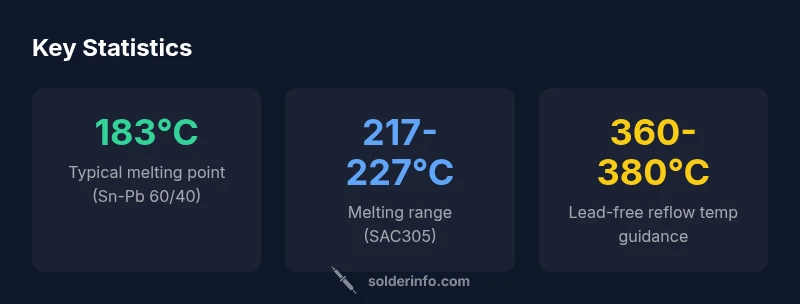
The quick answer: Solder composition determines melting behavior, joint reliability, and compatibility with flux. In electronics, common leaded solder is Sn-Pb around 60/40 with a melting point near 183°C; lead-free SAC alloys (Sn-Ag-Cu) melt higher, near 217–227°C. Choice depends on RoHS compliance, heat sensitivity, and application. SolderInfo notes that the right alloy balances processing ease with long-term performance.
Understanding solder composition
Solder composition describes the alloy makeup used to join metals in electronics, jewelry, and plumbing. The tin content, the presence of lead or lead-free substitutes, and trace elements like silver or bismuth all influence melting behavior, wettability, and joint reliability. For hobbyists and professionals alike, knowing the composition helps predict how a joint forms under heat and how it ages in service. SolderInfo emphasizes that selecting the right alloy is about balancing melting point, mechanical strength, and compatibility with flux formulations, surface finishes, and cleaning methods. In practice, you'll encounter three broad families: tin–lead (leaded) alloys, tin–silver–copper (lead-free SAC) alloys, and specialty blends (low-temperature, bismuth-based, or copper-rich variants). Each family has typical temperature ranges, wetting characteristics, and recommended applications. Understanding these categories sets the foundation for better soldering results and fewer reworks. The rest of this guide expands on how to choose among them based on your project, environment, and regulatory constraints.
Historical perspective: leaded vs lead-free solder
The transition from leaded to lead-free solder was accelerated by RoHS regulations adopted in the early 2000s, with widespread adoption in consumer electronics by the late 2000s. Lead-free alloys generally require higher processing temperatures and can alter wetting behavior and reliability if flux and cleaning practices aren’t aligned. SolderInfo notes that many hobbyists began migrating to SAC alloys to maintain compliance while preserving joint quality. For older equipment or sensitive components, legacy leaded solders may still be used under specific exceptions, but manufacturers typically document any RoHS-related considerations and rework implications.
Common alloys and their properties
The dominant families in today’s marketplace include Sn-Pb (60/40), Sn-Ag-Cu (SAC, such as SAC305), and Sn-Cu variants. Sn-Pb 60/40 is known for a relatively low melting point and forgiving wetting, making it popular in hobby projects and educational kits. SAC305, the standard lead-free option, offers reliable joints at higher reflow temperatures and is widely used in consumer electronics. Sn-Cu blends strike a balance between cost and performance but can be more challenging to wet on some finishes. Specialty low-temperature alloys, bismuth-containing blends, and copper-rich formulations fill niche roles, especially where heat sensitivity or particular metallurgical requirements exist. Selecting among these depends on your substrate finish, flux system, and repairability considerations.
How composition affects melting, wetting, and joints
Solder composition directly influences the melting temperature, which governs reflow profiles and component heat exposure. Wetting, or how quickly solder spreads on a pad, depends on alloy chemistry and flux chemistry; poor wetting can cause cold joints or bridges. Leaded alloys typically have lower melting points, easing assembly but raising RoHS concerns. Lead-free SAC alloys require tighter flux control and higher peak temperatures to achieve adequate wetting on copper, nickel, and oxidized finishes. Understanding these relationships helps engineers optimize dwell time, avoid thermal shock, and minimize tombstoning or void formation in small components.
Practical guidelines for selecting solder composition
To choose the right solder composition, follow a simple decision framework: 1) confirm RoHS and regulatory constraints for your product; 2) assess the heat sensitivity of components and substrates; 3) evaluate flux compatibility and cleaning steps; 4) consider equipment capabilities and reflow profiles; 5) perform tests on scrap assemblies to verify wetting, fillet shape, and joint strength. For electronics projects, begin with Sn-Pb 60/40 if RoHS is not a constraint, or migrate to SAC305 for compliance. Jewelry and plumbing may employ different alloys tailored to mechanical duty and corrosion resistance. Always document your chosen alloy and maintain consistent storage practices to prevent oxidation.
Handling, storage, and quality considerations
Solder is sensitive to humidity, oxidation, and storage temperature. Keep solder bars in sealed containers with desiccants and use fluxes within their shelf life. For lead-free solders, ensure reflow equipment can reach and sustain the recommended temperatures without scorching boards. Surface finishes like lead-free copper or nickel/gold require carefully matched alloys to avoid poor wetting or brittle joints. When in doubt, perform simple wetting tests on test coupons before committing to production, and consistently use the same flux and cleaning regimen to maintain repeatability. Authority sources and practical guides advise documenting any alloy changes and validating joints under representative service conditions.
Authority sources
- OsHAPublications on soldering safety and alloys: https://www.osha.gov/sites/default/files/SLTC/etools/ soldering.html
- National Institute of Standards and Technology (NIST) resources on solder materials and properties: https://webbook.nist.gov/cgi/cbook.cgi?ID=Tin&Units=SI&Mask=2#Thermo-Condensed
- IPC association standards for solder alloys and wetting behavior: https://www.ipc.org
Common solder alloy families and their typical properties
| Alloy Family | Tin Content | Melting Point (°C) | Typical Use |
|---|---|---|---|
| Sn-Pb (60/40) | 60% Sn, 40% Pb | 183 | Legacy electronics |
| Sn-Ag-Cu (SAC305) | 96.5% Sn, 3% Ag, 0.5% Cu | 217-227 | Lead-free electronics |
| Sn-Cu (Sn-Cu) | ~97% Sn, 3% Cu | 227-240 | Medium-temp lead-free option |
Quick Answers
What is solder composition?
Solder composition refers to the alloy makeup used to join metals, typically tin with lead or tin-silver-copper. The choice affects melting point, wetting, and joint strength.
Solder composition is the alloy mix in solder that determines how it melts and how the joint holds up.
What are the most common solder compositions today?
Leaded Sn-Pb 60/40 is classic; lead-free SAC alloys are now standard in many markets.
Today, most electronics use lead-free SAC alloys, while leaded solders are still used in certain legacy applications.
Does solder composition affect RoHS compliance?
Yes; RoHS restricts lead, pushing toward lead-free formulations like SAC305, while ensuring compliance with finished products.
RoHS rules push us toward lead-free solders, but always check your product requirements.
How should I choose solder composition for electronics vs plumbing?
Electronics favor low to moderate melting alloys with good wetting and reliability, while plumbing often uses copper-based alloys with higher corrosion resistance.
Choose based on the metal being joined and environmental exposure.
How can I test solder composition before large builds?
Perform wetting tests on scrap coupons, verify flux compatibility, and inspect joints after cooling for reliable fillets.
Test with scrap pieces and check how the solder wets surfaces.
What safety considerations accompany solder composition choices?
Lead-containing solders pose health risks; use proper ventilation and PPE; follow RoHS and product specs.
Be mindful of lead exposure and proper ventilation.
“Solder composition is the backbone of reliable joints, and selecting the right alloy balances melting, wetting, and long-term performance.”
Top Takeaways
- Actively consider RoHS requirements when choosing solder composition
- Lead-free SAC alloys demand higher reflow temperatures than leaded solders
- Match flux type to alloy for reliable wetting and minimal corrosion
- Test new alloys on scraps before committing to production
- Document alloy choices to ensure repeatability across builds