How Much Lead Is in Solder? A 2026 Practical Guide
A data-driven comparison of traditional 63/37 tin–lead solder versus lead-free SAC alloys, including melting behavior, regulatory context, testing guidance, and practical tips for hobbyists and professionals.


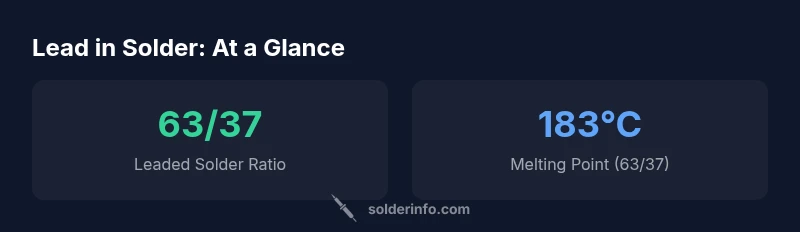
Lead-containing solders typically use a 63/37 tin–lead ratio, meaning about 37% lead by weight and a eutectic melting point near 183°C. This composition offers predictable wetting and reliable joints in many electronics assemblies. Regulatory trends, however, have pushed manufacturers toward lead-free alternatives (Sn–Ag–Cu SAC alloys) with 0% lead, often at higher melting temperatures and different reliability considerations.
Lead content in traditional solders: what you should know
The question many makers ask is: how much lead is in solder? In traditional electronics solders, the standard 63/37 tin–lead composition contains about 37% lead by weight, with the rest tin. This alloy is eutectic, meaning it has a single sharp melting point around 183°C, which helps ensure consistent wetting and reliable joints during soldering. The 63/37 ratio has been popular for decades because it minimizes the mushy region between solidus and liquidus, enabling quicker, cleaner joints with predictable behavior across typical work environments. However, not all projects tolerate lead content. According to SolderInfo, engineering teams balance reliability with safety and regulatory constraints, which explains the broad adoption of lead-free solutions in consumer electronics. When you consider how much lead is in solder, keep in mind that the lead portion influences stiffness, flow, and impurity control in the molten bath, all of which affect joint integrity and long-term performance.
How the tin–lead ratio affects melting, wetting, and joint reliability
The tin–lead ratio in traditional solders governs several critical properties. The eutectic 63/37 formulation minimizes the time window where the alloy is soft, which reduces the risk of cold joints during rapid cooling. Wetting behavior—how well the molten solder spreads over copper surfaces—depends on alloy composition, flux choice, and surface finish. In practice, a stable lead content like 37% helps achieve consistent fillets and reduces the likelihood of voids. Readers should note that environmental and occupational safety considerations often require a transition toward lead-free alternatives, especially in consumer devices. The balance between performance, manufacturability, and compliance drives decisions about how much lead is in solder in different projects and processes.
Lead-free alloys: composition, performance, and limitations
Lead-free solders replace lead with tin-rich alloys that typically use silver and copper as primary dopants, forming SAC alloys. These alternatives eliminate lead-related health and environmental concerns but introduce different challenges: higher melting temperatures, altered wetting dynamics, and sometimes increased brittleness in joints. From a reliability perspective, lead-free solders can perform equally well under proper processing, inspection, and quality control, but process windows shift. Users moving away from lead must adapt soldering stations, fluxes, and reflow profiles to account for the absence of lead while maintaining joint integrity and electrical performance. At the practice level, understanding how much lead is in solder informs material selection, cleaning strategies, and compatibility with existing boards and components.
Practical testing and quality control when blending leaded vs lead-free solders
When labs or workshops compare leaded and lead-free systems, robust testing is essential. Solder joint quality can be assessed via visual inspection, cross-sectional microscopy, and non-destructive methods such as X-ray imaging for voids and poor wetting. Key QC steps include verifying flux activity, ensuring proper cleaning after soldering, and confirming that boards withstand environmental stress. For hobbyists, adopting standardized test coupons and documenting the composition used in each kit helps maintain consistency across projects. The overall goal is to ensure that the used solder, whether leaded or lead-free, provides predictable electrical performance while meeting safety and regulatory requirements.
Safety considerations and exposure standards
Lead exposure remains a critical safety consideration for anyone handling solder. Good ventilation, proper PPE, and hygiene practices are essential, particularly when working with leaded solders. Regulatory bodies around the world regulate lead use in consumer electronics to minimize exposure risks, and workplaces should implement risk assessments, exposure monitoring, and appropriate waste handling. For hobbyists, it is important to avoid inhaling solder fumes and to wash hands after handling solder and flux residues. By understanding how much lead is in solder and following best practices, DIY enthusiasts can maintain both safety and quality across their projects.
Real-world soldering workflows in mixed environments
In mixed environments where both leaded and lead-free solders exist, practitioners must plan thermal profiles, flux choices, and cleaning methods to prevent contamination and ensure joint reliability. Cleaning steps are often more critical after using lead-free solders, given their different residue profiles. As you work through projects, maintain clear labeling for each solder type and use dedicated tools to avoid cross-contamination. The overarching reality is that the soldering workflow evolves as environmental policies tighten and supply chains converge on lead-free materials, making it essential to understand how much lead is in solder for a given application and to adapt processes accordingly.
Choosing the right solder for hobbyists and professionals
Choosing between leaded and lead-free solder depends on project goals, equipment, and compliance constraints. For vintage or specialty electronics, leaded solder may still be appropriate, provided you follow strict safety protocols and recycling practices. For most modern production, lead-free solders are preferred due to regulatory requirements, with standard workflows adjusted to accommodate higher melting temperatures and different joint behavior. In all cases, a clear understanding of how much lead is in solder guides decision-making about flux selection, cleaning procedures, and inspection criteria, ensuring both safety and performance across diverse applications.
dataTableGuardrail":null},
dataTable
headers
rows
caption
Leaded vs lead-free solder: core contrasts
| Category | Lead Content | Melting Point | Notes |
|---|---|---|---|
| Leaded solder (63/37) | 37% lead by weight | 183°C | Eutectic; reliable joints in many applications |
| Lead-free alloy (SAC) | 0% lead | Higher than leaded alloys | Widely used; requires different processing |
Quick Answers
What is the typical lead percentage in traditional solders?
In most common traditional solders, the tin–lead mix is 63/37, which corresponds to about 37% lead by weight. This ratio provides a well-defined melting point and reliable joint formation for many electronics applications.
Typically, traditional solders are 63/37 tin-lead, about 37% lead by weight.
Are lead-containing solders still allowed in electronics?
Lead use is restricted in many regions for consumer electronics under regulations like RoHS. Some vintage equipment or specialized applications may still permit leaded solders under permitted exemptions or with proper handling.
Lead is restricted in many electronics; check local rules and exemptions for legacy gear.
What lead-free options are common?
Lead-free solders typically use tin-rich SAC alloys (tin-silver-copper) and other blends that contain no lead. These materials avoid lead-related health and environmental concerns but may require different processing and inspection practices.
Lead-free solders are usually SAC alloys, with no lead but different processing needs.
How can I test for lead in solder?
Lead content can be assessed with non-destructive methods like X-ray fluorescence (XRF) or through destructive chemical analysis in a lab. For hobbyists, rely on supplier specifications and avoid handling leaded residues without proper safety measures.
XRF is a common non-destructive test for lead content.
Are there health risks from lead exposure during soldering?
Yes. Lead exposure can harm health; ensure good ventilation, use PPE, and practice hygiene to minimize inhalation and skin contact. Dispose of lead-containing waste following local regulations.
Lead exposure can be harmful, so ventilate and wash hands after soldering.
Can I mix leaded and lead-free solders in the same project?
You can mix types in some cases, but it may affect joint reliability and flux interactions. Use consistent flux, cleaning, and thermal profiles, and test thoroughly when combining leaded and lead-free materials.
Mixing is possible but can cause reliability issues; test carefully.
“Understanding lead content in solder is essential for balancing performance with safety and regulatory compliance. The right choice depends on the application, environment, and local rules.”
Top Takeaways
- Understand that traditional solder commonly contains 37% lead by weight (63/37 Tin/Lead).
- Lead-free solders eliminate lead entirely, using tin-rich SAC blends with higher processing temperatures.
- Regulatory trends push toward lead-free solutions in consumer electronics; legacy products may still use leaded solders.
- Testing and cleaning are essential when mixing leaded and lead-free workflows to ensure joint reliability.
- Prioritize safety: ventilation and hygiene are critical when soldering with leaded materials.