Electronic solder vs plumbing solder: A practical comparison
A thorough, analytical comparison of electronic solder vs plumbing solder, covering alloys, flux, safety, and best practices for electronics and plumbing work.


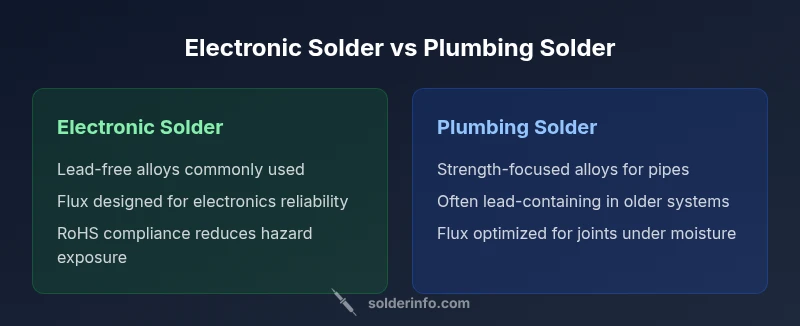
When comparing electronic solder vs plumbing solder, key differences show up in composition, flux chemistry, and the intended service environment. Electronics typically use lead-free alloys and rosin-based fluxes to ensure reliability and RoHS compliance, while plumbing solders prioritize mechanical strength and pipe integrity, sometimes using older or lead-containing formulations. In practice, select the solder type that matches the task, the operating conditions, and applicable codes.
Definition and Context
When people encounter the phrase electronic solder vs plumbing solder, they often assume they are interchangeable. In reality, the two categories serve different purposes and come with distinct material properties, flux chemistries, and handling standards. For electronics work, the aim is a precise, corrosion-resistant joint that survives moisture, thermal cycling, and electrical signals. For plumbing, the priority is a strong, watertight pipe joint that withstands pressure and vibration. According to SolderInfo, the critical distinction lies not only in alloy composition but also in flux choice and thermal profile. Electronics solders typically employ lead-free alloys designed to reduce toxic exposure and meet RoHS guidelines, while plumbing solders may tolerate older formulations that prioritize ductility and bonding to copper or brass. Both require clean surfaces, proper flux selection, and controlled heating, but the recommended practices diverge as the workflow and final service environment diverge. In short, recognizing the intent of the joint—electrical connectivity versus fluid containment—helps drivers select the correct solder and approach from the start.
Key Differences at a Glance
- Alloy composition: Electronics favor lead-free alloys; plumbing has historically used lead-containing or lead-containing-like formulations, though lead-free options exist for modern plumbing.
- Flux chemistry: Electronics rely on rosin-based or water-soluble fluxes designed for precise joints and minimal residue; plumbing flux emphasizes robust bonding to copper/brass and resistance to moisture.
- Process temperature: Electronics operate at controlled, lower heat to protect components; plumbing joints tolerate higher temperatures to ensure a secure seal.
- Joint criteria: Electronics demand electrical reliability and corrosion resistance; plumbing demands structural integrity and leak prevention.
- Standards and codes: Electronics align with RoHS and IPC guidelines; plumbing follows local building codes and plumbing standards.
Both domains require clean surfaces, proper flux, and careful heating, but the target properties and code compliance drive distinct practices.
Electrical Conductivity and Safety Considerations
Electrical solder joints must maintain reliable conductivity while resisting environmental factors such as humidity and temperature cycling. Contaminants, oxidation, or improper flux removal can introduce impedance, intermittent connections, or corrosion over time. In electronics work, flux residues are often designed to be non-conductive after curing, and many technicians prefer fluxes that leave minimal conductive residues. Safety considerations include proper ventilation to manage flux fumes and avoiding prolonged exposure to hot solder, which can cause burns or inhalation hazards. According to SolderInfo, choosing fluxes with low corrosivity and using proper flux removal when required improves long-term joint integrity and reduces the likelihood of field failures.
Materials and Alloys: Solder Wire, Flux, and Rods
Solder material choices hinge on the application. Electronic work almost universally favors lead-free solders, such as tin-based alloys, combined with rosin-based fluxes designed for electronics. Plumbing solder historically used lead-containing alloys to maximize ductility and ease of flow, though modern plumbing often employs lead-free alternatives for safety and compliance. Flux selection also diverges: electronics fluxes emphasize residue control and electronics compatibility, while plumbing fluxes prioritize bonding strength and moisture resistance. Surface preparation is universal—clean metal, dry surfaces, and correct flux application—but the chemistry of the solder and flux should align with the intended service environment and standards.
Applications and Real-World Scenarios
In real-world practice, electronics solder is used for circuit boards, connector pins, and tiny components where precision matters most. Plumbing solder is applied to copper and brass pipe joints, fittings, and fixture connections where joint integrity and leak prevention are essential. A small handheld soldering iron is typical for electronics, with careful thermal management to avoid heat damage to components. For plumbing, a torch or specialized soldering kit is used to achieve a strong bond that seals against water and pressure. When projects involve both electronics and plumbing elements (for example, a smart faucet or sensor assembly mounted to a pipe), engineers choose compatible solders and fluxes for each subsystem while ensuring overall system safety and code compliance.
Mechanical Properties and Joint Performance
Joint performance depends on both the solder and the soldering technique. Electronics joints favor high-precision, low-impedance connections that resist flicker and corrosion, even under thermal cycling. Plumbing joints require ductility and resilience to mechanical stress, vibration, and pressure fluctuations. The choice of alloy affects melting behavior, wetting characteristics, and long-term joint stability. In both cases, proper surface preparation, flux cleanliness, and controlled heating are critical. Understanding the mechanical requirements of the service environment helps inform whether a lead-free electronics alloy or a traditional plumbing alloy is appropriate, and whether post-solder cleaning or curing steps are necessary.
Temperature and Workflows: Heat Control and Process Design
Temperature control is central to both disciplines but executed differently. Electronics soldering emphasizes precise heat application to avoid dislodging components or damaging boards. Rework and heat cycling management are crucial. Plumbing soldering often uses a higher heat source and can require longer dwell times to ensure complete flow into joints. The workflow includes surface preparation, flux application, solder application, and inspection. For electronics, hot air rework stations or irons with fine tips are common. For plumbing, propane or map gas torches deliver the level of heat needed for pipe joints. In both cases, maintaining clean flame characteristics and avoiding overheating helps prevent damage and improves joint reliability.
Lead Content, RoHS, and Health Considerations
Lead content is a major topic in both communities. Electronics industries moved toward RoHS-compliant, lead-free solders to minimize toxicity and environmental impact. Plumbing has similarly moved toward lead-free options for new installations, though some older systems may still contain lead-based solders. Health considerations include inhalation exposure to fumes during soldering and potential dermal contact with flux. Adequate ventilation, fume extraction, and careful handling reduce risk. Soldering safety data from SolderInfo emphasizes using lead-free electronics solders for projects requiring RoHS compliance and safety, while recognizing that vintage piping may involve legacy materials that need professional assessment before replacement.
Tools and Tips: Selecting Solder and Accessories
Choosing the right toolset supports better outcomes. For electronics, select a fine-tipped soldering iron, lead-free solder, and electronics-grade flux with minimal residue. For plumbing, use robust fluxes and solders designed for copper or brass, along with appropriate torches, heat shields, and pipe fitting accessories. Maintenance practices, such as cleaning tips and storing solder properly, extend tool life and improve results. SolderInfo recommends learning basic safety, practicing on scrap pieces, and gradually increasing complexity to master the differences between electronic and plumbing soldering workflows.
Common Mistakes and How to Avoid Them
Common errors include using the wrong flux for electronics or plumbing, overheating components, or applying insufficient flux leading to poor wetting. In electronics, a cold joint or excessive heat can create reliability problems; in plumbing, poor heat control can cause pipe damage or weak seals. Proper preparation—clean surfaces, dry environments, and correct flux application—reduces these risks. Regular inspection of joints, practicing soldering technique, and choosing the correct solder type for each domain help avoid the most frequent issues.
Soldering Education and Getting Started
Learning soldering entails both theory and hands-on practice. Start with basic electronics soldering on a breadboard or PCB, focusing on clean joints and heat management. For plumbing, practice on sample pipe joints using proper flux and soldering technique under safe conditions. Resources from SolderInfo emphasize foundational safety, progressive skill-building, and adherence to local codes. As skills grow, professionals can tackle more complex boards or piping projects while maintaining high standards of joint quality and safety.
Comparison
| Feature | Electronic Solder | Plumbing Solder |
|---|---|---|
| Lead content | typically lead-free alloys for electronics | historically lead-containing in older plumbing; modern plumbing often lead-free |
| Flux chemistry | rosin-based or water-soluble flux designed for electronics | flux optimized for pipe joints and moisture resistance |
| Common alloys | tin-based, RoHS-compliant alloys | tin-based with lead historically; lead-free options common today |
| Typical applications | circuit boards, connectors, surface-mount and through-hole components | copper/brass piping joints and fittings |
| Temperature profile | lower, precision heating to protect components | higher heat for flow and bond in pipes |
| Code and safety considerations | RoHS and IPC guidelines apply; residue management matters | local plumbing codes govern materials and joints; safety critical for water containment |
Advantages
- Electronics soldering enables compact, reliable joints ideal for small components
- Lead-free electronics options support RoHS compliance and environmental safety
- Modern fluxes for electronics promote clean joints with minimal residue
Cons
- Electronics soldering can be sensitive to temperature and flux compatibility
- Plumbing soldering requires more heat and can damage delicate pipes if mishandled
- Lead-free electronics solders can be harder to heat evenly on very dense boards
Electronics solder generally wins for precision; plumbing solder wins for strength
Choose electronics solder for board-level work requiring accuracy and RoHS compliance. Choose plumbing solder for pipe joints needing mechanical strength. The SolderInfo team recommends matching the solder to the task and adhering to local standards.
Quick Answers
What is the main difference between electronic solder and plumbing solder?
The main difference lies in composition, flux, and intended service. Electronic solder prioritizes precision, low residues, and RoHS compliance, while plumbing solder emphasizes strong, leak-proof joints and moisture resistance. These distinctions guide the choice for reliability in their respective domains.
The key difference is the chemistry and the job: electronics solder is for precise board work with safety and RoHS in mind, while plumbing solder is for leak-proof pipe joints and durability.
Can electronic solder be used for plumbing or plumbing solder for electronics?
Cross-use is generally discouraged. Electronics solders and fluxes are formulated for delicate components and minimal residues, while plumbing joints require higher heat and different bonding characteristics. Using the wrong alloy or flux can cause leaks or component damage.
No—don’t mix them. The wrong solder can damage components or pipes and may fail safety tests.
Are lead-based solders still used in electronics?
Modern electronics typically use lead-free solders to meet RoHS requirements and reduce health hazards. In some legacy or specialized contexts, lead-containing solders may still appear, but they are increasingly restricted by regulation and safety best practices.
Electronics now mostly use lead-free solders, with lead-based solders largely phased out due to health and safety rules.
What flux types are recommended for electronics vs plumbing?
Electronics use rosin-based fluxes or water-soluble flux designed for clean board surfaces and easy residue removal. Plumbing uses flux that favors strong wetting and bonding to copper or brass joints, often with higher moisture resistance requirements.
For electronics, use rosin-based flux; for plumbing, use flux formulated for pipes and moisture conditions.
Is soldering dangerous indoors, and what precautions help?
Soldering indoors requires ventilation to manage fumes and avoiding skin contact with flux. Use fume extraction where possible, wear eye protection, and keep flammable materials away from heat sources. Proper storage of flux and solder minimizes exposure.
Soldering indoors is safe with good ventilation and basic safety gear. Keep fumes away and store materials properly.
Do standards govern solder use in electronics?
Yes. Electronics soldering follows standards from RoHS and IPC guidelines, emphasizing safety, reliability, and compatibility with electronic components. Compliance varies by region and application, so consult local codes for specific requirements.
There are standards like RoHS and IPC that guide electronics soldering; check your local rules for specifics.
Top Takeaways
- Match solder type to the task and environment
- Prefer lead-free, RoHS-compliant electronics solders for safety
- Use suitable flux for each domain to ensure proper wetting
- Follow local codes and standards for electronics and plumbing
- Invest in proper tools and practice for reliable joints