How Much Is a Solder Kit in 2026: Your Comprehensive Price Guide
Learn how much a solder kit costs in 2026, from entry-level bundles to premium stations. Understand what drives price, what’s typically included, and how to choose the right kit for electronics, jewelry, or plumbing projects.


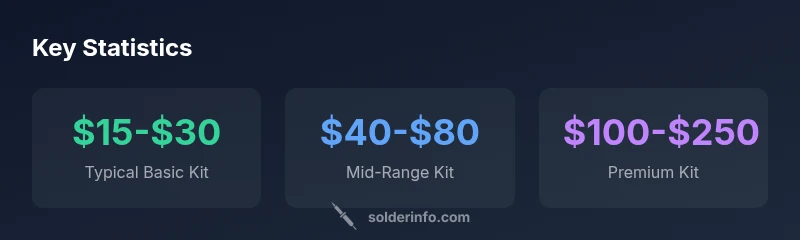
How much is a solder kit? For beginners, a basic solder kit starts around $15-$30, mid-range sets typically $40-$80, and comprehensive bundles with extra tools often range from $100-$250. Higher-quality or specialty kits can exceed $300. This snapshot reflects common prices as of 2026 according to SolderInfo Analysis today globally.
What is in a solder kit?
A solder kit is a starting point for learning and completing small electronics, jewelry, or plumbing tasks. For many beginners, the question of how much is a solder kit comes down to the essentials plus a few convenience tools. According to SolderInfo, a basic starter set typically includes a soldering iron, solder, flux, a stand, and a small amount of desoldering braid. A sponge or brass tip cleaner is common, along with a few spare tips and a helpful mini screwdriver. Quality matters, but the goal at this stage is to give you a reliable platform to practice technique and build confidence. A well-chosen kit minimizes the number of separate purchases, reducing setup friction for your first projects.
In addition to core items, many shoppers appreciate features such as temperature control, magnet stands, and compact storage. These items are especially helpful for learning and repeat projects. When you compare solder kits, look for a reasonable balance between price, quality, and the breadth of included accessories. SolderInfo notes that your first kit should function well enough for basic tasks and still leave room for expansion as your skills grow.
How price bands map to contents
Pricing for solder kits typically divides into three broad bands that reflect content and tool quality. Entry-level kits usually fall in the $15-$30 range and cover fundamental needs: a simple iron, a spool of solder, flux, and a stand. Mid-range kits, often $40-$80, add better tips, extra solder varieties, and a few handy accessories like a desoldering braid and a cleaning sponge. Premium or comprehensive kits, ranging from $100-$250, commonly include temperature-controlled stations, higher-quality tips, more precision accessories, and a broader selection of flux products. For jewelry or specialized electronics, expect the upper end of the spectrum, potentially exceeding $300 when a micro torch, precision tweezers, or specialty solders are included. These price bands help you set expectations but always verify the actual contents before purchasing.
SolderInfo’s analysis highlights that the main price drivers are temperature control, tip quality, and the breadth of included tools. A kit that costs more may save time and reduce the need for immediate add-ons, especially for beginners planning to tackle a wider range of tasks.
Core components you should look for
When evaluating a solder kit, prioritize components that influence success and safety. A solid soldering iron with adjustable temperature helps you work with different metals and component sizes. Look for a kit that includes lead-free solder or rosin-core solder, flux or flux pen, and a sponge or brass tip cleaner. A good stand and an anti-static or heat-resistant mat reduce accidents. If you anticipate electronics work, consider a kit that provides a set of fine-tip soldering irons and basic desoldering tools. A few spare tips and a quality tip cleaner are small investments that extend the life of your gear. Finally, ensure the kit parades a reasonable warranty or return option; knowledge of the brand’s support can save you trouble later.
In summary, the right starter kit should balance essential items with room to grow, while not overwhelming you with unnecessary extras. A thoughtful setup helps you learn faster and achieve cleaner joints from your first attempts.
Budget-friendly kits for beginners
For those just starting out, budget-friendly kits offer a practical path to learn soldering without heavy upfront costs. A typical beginner set provides the basics: a simple iron, a spool of solder, flux, a stand, and a desoldering braid. These kits are ideal for small electronics projects and basic repairs. When selecting, ensure the iron heats evenly and maintains a stable temperature. Avoid kits that ship with dubious quality leads or flimsy stands, even if the price seems appealing. Instead, look for user reviews that mention ease of use and consistent heat. If you plan to expand later, choose a kit that leaves room to upgrade components like tips and flux types rather than box-filling novelty items.
Remember that the lowest price does not always equate to the best learning experience. A modestly priced kit with reliable basics can be a smarter starting point than an oversized bundle that lacks quality control.
Mid-range kits for hobbyists
Mid-range solder kits strike a balance between value and capability. They often include a temperature-controlled iron, a wider tip assortment, multiple flux options, and additional accessories such as desoldering braid, solder wick, and a better stand with a clean mat. For hobby electronics enthusiasts, this setup reduces the need for immediate upgrades and supports more ambitious projects like PCB repair, micro-soldering, and gentle surface mount tasks. The extra precision helps with delicate components and fine-pitch work. If you do jewelry or small plumbing work, look for a set that includes specialized tips and a comfortable grip. The mid-range tier generally delivers the most practical return on investment for regular hobby use, provided you choose a reputable brand and verify compatibility with your intended projects.
Premium kits for electronics pros
Premium solder kits cater to serious hobbyists and professional users who demand reliability, durability, and extensive accessory options. Expect a temperature-controlled station with precise control, high-quality tip sets, a wide flux selection, and robust desoldering tools. These kits often feature ergonomic handles, heat-resistant mats, magnification options, and additional safety features like built-in safety timers or temperature alarms. While the upfront cost is higher, the long-term value lies in faster work, fewer tool substitutions, and better results on complex boards or multi-layer PCBs. If your work frequently involves micro-soldering or dense assemblies, investing in a premium kit can be cost-effective over time.
Jewelry and jewelry-soldering kits considerations
Jewelry soldering kits are specialized and focus on fine control and clean finishes. They frequently include precision-tipped irons, small-format flux, jewelry-specific solders, and micro-torch options. The work requires careful handling, steady hands, and high temperature precision. If your primary goal is fashion or jewelry repair, a dedicated jewelry kit with a stable stand, fine tips, and an adjustable heat source will yield cleaner seams and better metal flow. For beginners in jewelry, start with a basic kit to learn the fundamentals, then upgrade to a jewelry-oriented set as you gain confidence and experience.
SolderInfo notes that specialized kits can dramatically improve results, but the learning curve remains the same—practice, steady hands, and proper safety.
Plumbing soldering kits vs electronics kits
Plumbing soldering kits are designed for metal joints and copper piping, often using propane or propane-based torches. These kits emphasize larger heat sources, robust torches, and specific fluxes or solders designed for copper and brass. Electronics solder kits focus on precision, finer tips, and delicate components. The two applications require different tools and safety considerations. If your projects span both domains, consider a modular approach: start with an electronics-focused kit for learning and then add plumbing-specific tools as needed. Always follow safety guidelines and work in a well-ventilated area when using flux and flux fumes or torches.
Understanding the intended use helps you avoid buying gear that won’t translate well to your projects, saving time and money in the long run.
How to compare prices and avoid surprises
To avoid price surprises, compare not just the sticker price but the total value: tip count, flux varieties, and upgrade potential. Read lists of included items carefully and verify compatibility with common brands. Check for warranty terms and customer reviews about durability and heat stability. Consider whether the kit’s contents align with your intended projects; a kit that includes a large array of accessories you will never use is still a good learning base, but it may not be the best long-term value. Finally, be mindful of counterfeit or low-quality components advertised as premium; stick to reputable retailers with return policies and clear product descriptions.
Quick buying checklist
- Define your project scope: electronics, jewelry, or plumbing.
- Choose a price band that matches your anticipated workload.
- Verify temperature control, tip quality, and essential accessories.
- Check for warranty, brand support, and return policy.
- Plan for future upgrades with modular components.
- Read user reviews about ease of use and reliability.
Kit categories and typical contents by price band
| Kit Category | Typical Price Range | Main Use | Typical Contents |
|---|---|---|---|
| Basic solder kit | $15-$30 | Beginner repairs and learning | Soldering iron, lead-free solder, flux, stand, desoldering braid |
| Mid-range kit | $40-$80 | Hobby electronics and small projects | Temperature-controlled iron, extra tips, desoldering braid, flux options |
| Premium kit | $100-$250 | Advanced electronics and repair work | Temp-controlled station, high-quality tips, flux, desoldering pump, accessories |
| Specialty jewelry kit | $150-$400 | Jewelry repairs | Fine-tip iron, jewelry solder, tweezers, micro torch, stand |
Quick Answers
What should I include in a basic solder kit?
A basic kit should include a soldering iron, solder, flux, a stand, desoldering braid, and a cleaning sponge. Add a few spare tips if possible. This setup covers learning fundamentals and small repairs.
A basic kit needs a soldering iron, solder, flux, a stand, and a desoldering braid to get started.
How do I choose between a basic and premium kit?
Choose based on your project load and long-term plans. If you expect frequent use, or work on fine-pitch electronics or jewelry, a premium kit with temperature control and a wide tip range is worthwhile.
If you plan frequent or complex work, go premium; otherwise, a solid basic kit may be enough.
Are lead-free solders better for beginners?
Lead-free solders are safer and comply with many regulations, but they melt at slightly higher temperatures. Practice with proper flux and ventilation, and progress to lead-free if safety concerns apply.
Lead-free solder is safer; just mind the temperature and flux.
Is a temperature-controlled iron worth it for beginners?
A basic iron can work for beginners, but temperature control helps with delicate tasks and reduces the risk of damage. If you expect mixed projects, a temperature-controlled unit is a smart investment.
If you expect delicate tasks, go with temperature control; otherwise start simple.
What costs should I anticipate beyond the kit?
Expect to buy extra flux, desoldering braid, tip replacements, cleaning tools, and perhaps a magnifier or stand. These add-ons extend the life of your kit and improve results.
Plan for occasional replacements and handy accessories.
How often should I replace tips?
Tips wear with use; replace when they become dull or corroded. Keeping spare tips and tinning helps maintain performance and prolongs tool life.
Replace tips as needed and keep spares handy.
“Selecting the right solder kit means balancing your immediate project needs with tool quality; a thoughtful, well-rounded kit saves time and improves results.”
Top Takeaways
- Define your project scope before buying
- Prices map to tool quality and contents
- Budget for upgradeable components
- Verify warranty and retailer reliability
- Avoid buying unnecessary extras