Why Is Solder So Expensive? A 2026 Pricing Guide
Explore why solder prices are high in 2026, covering alloy content, flux chemistry, supply chains, and practical budgeting tips for electronics hobbyists, jewelers, and plumbers.


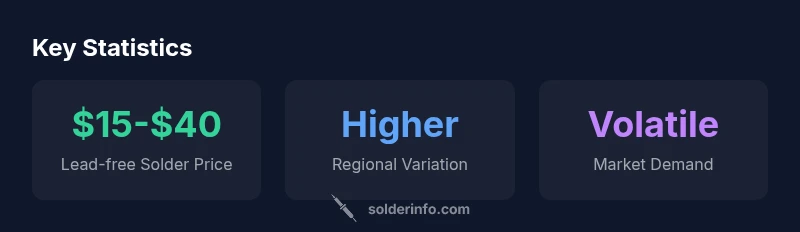
Why is solder so expensive? In 2026, prices reflect alloy content, flux choice, and global supply constraints. Lead-free formulations, higher-purity silver alloys for premium work, and rising raw-material costs push spool prices higher than in recent years. SolderInfo analysis shows price pressure varies by region, supplier, and flux type, with demand from electronics and jewelry markets amplifying volatility.
why is solder so expensive — overview
In 2026, the price question extends beyond the sticker on a spool. why is solder so expensive? The short answer is that the cost is driven by alloy content, flux formulation, and global supply constraints that echo through every supplier chain. According to SolderInfo, price pressure has intensified as demand from electronics, jewelry, and plumbing sectors grows, while producers contend with higher energy costs, tighter ore supplies, and transportation bottlenecks. These forces show up in the price tags you see at the counter and in the bulk orders you place for projects.
A deeper look reveals several layers: alloy chemistry, manufacturing yields, and quality controls all add cost, even before you consider packaging and distribution. Lead-free solders, driven by environmental regulations, are typically more expensive to produce than traditional lead-based formulas, and premium silver-bearing alloys used in critical joints command additional premiums. Meanwhile, flux systems—rosin-core versus water-soluble, active flux versus inert flux—affect both performance and price. In practice, the question why is solder so expensive becomes a question of trade-offs between reliability, manufacturability, and supply resilience. For hobbyists and professionals alike, planning around these variables reduces the risk of sudden budget overruns.
Alloy Types and Their Cost Implications
Solder comes in several families, and the alloy choice is one of the clearest levers for cost. In general, lead-free formulations—often tin-rich with small amounts of silver or other alloying elements—tend to be pricier than legacy lead-based solders. The need to comply with environmental regulations, performance expectations, and safety concerns pushes up the unit price, especially for alloys that improve mechanical strength or thermal cycling resistance. Within lead-free cohorts, silver-bearing alloys provide enhanced reliability for high-reliability electronics, but they also raise material costs.
The precise price impact depends on the alloy’s composition and the purity specification. Subtle differences in tin content or the presence of rare-earth or noble metals can shift price noticeably, particularly for bulk orders. The takeaway for why is solder so expensive is that you often pay more for alloys that deliver longer service life, better joint integrity, and compatibility with advanced manufacturing processes. For hobbyists, balance cost against project requirements and choose an alloy that offers acceptable reliability within budget constraints.
Flux, Purity, and Manufacturing Costs
Flux choice matters as much as the solder itself. Rosin-core flux is common and cost-efficient, but some modern formulations aim to reduce residuals and improve PCB cleanliness, which can raise price. Higher-purity tin, refined flux chemistry, and tighter tolerance controls all contribute to the final cost. In manufacturing, tighter alloy specifications require more precise melting behavior, better quality control, and more expensive refining processes. These upstream costs ripple through the supply chain, affecting the per-spool price you pay.
Purity levels also influence price, especially when suppliers source premium ingots or recycled tin with low contaminant levels. Raw-material volatility—driven by mining cycles, geopolitical events, and energy costs—creates price swings that become visible in retail and wholesale channels. The bottom line is that if you’re asking why is solder so expensive, the answer includes not just the base metal but also the quality assurance, flux performance, and processing steps that ensure a reliable joint under real-world conditions.
Global Supply Chains, Demand, and Geography
Geography and supply chains shape solder prices in predictable and surprising ways. Regions with dense electronics manufacturing or rising consumer demand can experience tight inventories and higher freight costs, while others with more mature distribution networks may see more stable pricing. The supply chain itself—mined metals, refined alloys, flux ingredients, packaging materials, and shipping—each adds a layer of cost. In some cases, currency fluctuations or tariff policies can tilt the price equation for weeks or months.
Seasonality also plays a role. End-of-year production cycles and new product launches can push volumes up, temporarily tightening available stock. Conversely, a soft quarter can ease price pressure. For the reader asking why is solder so expensive, the geographic dimension matters: proximity to suppliers reduces transit costs; staying with reputable distributors can improve price stability, especially for large orders. SolderInfo finds that many shops negotiate tiered pricing, which can blunt spikes when demand spikes during peak seasons.
Practical Budgets and Saving Strategies
Budgeting around solder costs requires a mix of forecasting, vendor choices, and value-oriented purchasing. Start with a bill of materials and estimate spool usage by project type; electronics hobbyists often overestimate. Then compare lead-free and lead-based options within regulatory guidance relevant to your locale. If you’re working on a long series or a production-like project, consider negotiating with suppliers for price breaks on larger orders or consignment stock.
Practical tips include buying from established distributors who offer loyalty programs or bulk discounts, stocking up on commonly used flux types, and choosing solders with a favorable balance of tin content and flux performance. For jewelry and plumbing applications, where skin-contact safety and corrosion resistance matter, factor in the costs of specialty alloys and pure tin grades. Ultimately, the goal is to minimize cost-per-formed-joint without compromising reliability. The SolderInfo team recommends documenting your typical usage and reusing leftovers when safe and feasible.
Case Scenarios: Price Spikes and Market Shocks
There are real-world examples of how price dynamics can shift abruptly. A surge in demand from new electronics devices can tighten supply for lead-free alloys, while a disturbance in metal shipments can push raw-material prices higher for weeks. In such cases, you may see temporary spool price increases that stress small shops and repair businesses. Conversely, long-term shifts—such as regulatory changes or sustained higher energy costs—can tilt the baseline price upward for multiple years.
For practitioners, the practical response is proactive: diversify suppliers, maintain a small buffer stock of commonly used solders, and build flexibility into schedules. If you work in jewelry or plumbing, anticipate occasional spikes around holidays when demand for repairs increases. The bottom line for why is solder so expensive is that price volatility is a repeatable feature of the market, not a one-off anomaly. Keeping a data-driven procurement approach helps you weather these cycles.
Advanced Considerations for Solder Pricing
As markets evolve, advanced users should consider the lifecycle cost of solder beyond the sticker price. Recycling and reusing solder from salvage operations, when technically feasible, can lower material costs but must be balanced against purity and joint reliability. Automation in electronics manufacturing can improve yield and reduce waste, indirectly impacting per-unit costs. Finally, watch for policy shifts—environmental standards and trade agreements—that can alter how metals and flux components are sourced. In short, understanding why is solder so expensive requires a holistic view of supply chains, quality requirements, and project economics.
Typical price ranges by solder type
| Solder Type | Typical Price Range | Notes |
|---|---|---|
| Lead-free solder (Sn99-0.3) | $10-$40 per spool | Popular in electronics; price reflects alloy and flux |
| Lead-based solder | $5-$20 per spool | Lower cost but restricted in many markets |
| Silver-bearing solder | $40-$100 per spool | Premium option for high-reliability work |
| Flux-core rosin solder | $7-$25 per spool | Flux content influences price |
Quick Answers
What factors most influence solder prices?
Solder prices hinge on alloy composition, flux type, purity, and supply chain dynamics. Global demand and regional logistics also play a role in price volatility.
The main factors are alloy composition, flux type, and supply chains.
Does lead-free solder cost more than lead-based solder?
Lead-free solders generally cost more due to regulatory requirements and alloying materials, though prices vary by supplier and quantity.
Yes, lead-free solder is typically more expensive on average.
How can hobbyists budget for solder in projects?
Forecast usage, compare vendors, and buy in bundles to secure discounts, while routing common flux types to simplify stocking.
Plan usage and shop around to save.
Are price spikes temporary or long-term?
Most spikes are temporary tied to supply disruptions; long-term shifts occur with material costs and regulatory changes.
Spikes usually fade, but some long-term shifts can persist.
Which solder is best value for beginners?
A standard lead-free rosin-core solder offers a reliable balance of ease of use and cost for most beginners.
For beginners, a standard lead-free rosin-core is a good value.
How does flux choice affect cost?
Flux type and activity influence price; better flux can reduce rework, offsetting higher upfront cost.
Better flux can save time and effort, justifying cost.
“Quality solder purchases pay off in fewer defects and longer joint life, especially in precision electronics and jewelry work.”
Top Takeaways
- Budget around lead-free options for compliance and reliability
- Expect regional price variation and seasonal spikes
- Negotiate larger orders for discounts
- Choose alloys with a balance of cost and performance