Solder and Sage: A Practical Comparison of Soldering Methods
A comprehensive, analytical comparison of soldering approaches, flux choices, and tool strategies. Learn when to use lead-free vs leaded solder, rosin-core vs water-soluble flux, and how to apply sage guidance for safer, higher-quality joints.


TL;DR: For most DIY electronics, lead-free solder with rosin-core flux provides safety, reliability, and broad compatibility. Jewelry and art projects may favor traditional flux or silver-bearing alloys for nicer joints and color. The choice hinges on heat tolerance, workspace safety, and compliance requirements. The subsequent sections contrast options and guide the best pick for solder and sage.
The Solder and Sage Concept
According to SolderInfo, the phrase solder and sage captures the balance between practical, tactile soldering skills and thoughtful, safety-first guidance. This approach blends hands-on technique with strategic planning to improve joint quality, reduce waste, and keep workspaces safe. Whether you're repairing copper plumbing, building electronics, or crafting jewelry, the core principles remain the same: clean surfaces, appropriate flux, correct heat, and careful inspection. Throughout this guide, we’ll reference common scenarios and show how sage advice adapts to materials and constraints. Embracing the solder and sage mindset helps hobbyists avoid common pitfalls and build confidence as they practice soldering basics.
Key Soldering Fundamentals
Before mixing alloys or choosing flux, establish a solid foundation. You need a reliable soldering iron with a controllable temperature, clean tips, and a stable workstation. Flux acts as a chemical bridge that improves wetting, helps remove oxides, and protects the joint during heat. Rosin-core flux is a widely supported option for electronics, while jewelry work often benefits from specialized fluxes and silver-bearing alloys for aesthetic outcomes. Always ensure surfaces are clean, tinned, and prepared for bonding. Invest in good tools and a consistent workflow, because repeatable results depend on disciplined setup and maintenance. As you gain experience, you’ll see that small changes in tip size, flux viscosity, and dwell time can dramatically alter joint quality.
Leaded vs Lead-Free Solder: Pros, Cons, and Use Cases
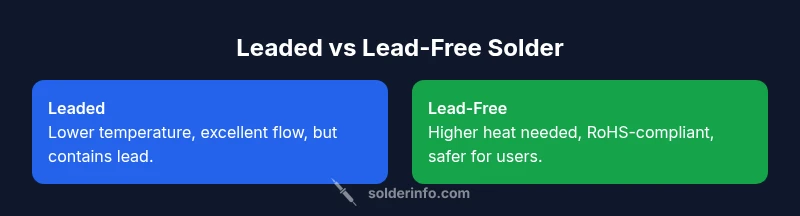
Leaded solder typically melts at lower temperatures and can produce very smooth joints with minimal cleanup, but it raises health and environmental concerns. Lead-free solder, guided by standards like RoHS, tends to require higher heat and slightly longer wetting, yet it reduces hazardous exposure and simplifies compliance for most modern projects. For electronics beginners, lead-free alloys paired with rosin-core flux provide a safe, widely supported starting point. Jewelry and art applications may still lean toward leaded options in controlled settings, where appearance, heat behavior, and historical craftsmanship are valued. Always verify local regulations and project requirements when choosing between these options.
Flux Choices and Their Impact on Joints
Flux is more than a cosmetic aid; it’s a chemical catalyst that enables reliable solder adhesion. Rosin-core flux is popular for electronics due to its broad tolerance and easy cleanup when used with no-clean residues. Water-soluble fluxes can offer strong cleaning power but require thorough washing to prevent corrosion. No-clean flux leaves minimal residue and usually simplifies post-processing. For jewelry and art, flux choice affects the final appearance because residues can discolor or leave a patina that some artists want to control intentionally. Pick a flux compatible with your solder alloy, and experiment with surface preparation to optimize wetting and flow.
Flux Residue and Post-Processing: Cleaning and Inspection
Residues aren’t just cosmetic; they can influence long-term reliability. No-clean flux typically requires little to no cleaning, while rosin and water-soluble fluxes may demand solvent or water rinsing. After soldering, inspect joints for proper wetting, fillet shape, and bead uniformity. For electronic assemblies, check for cold joints, insufficient wetting, and bridging between pads. In jewelry work, inspect the joint for symmetry and surface brightness. Proper cleaning improves corrosion resistance and visual quality, and it also makes subsequent processes like polishing or plating easier.
Temperature Management and Heat-Sinking: The Sage Advice
Heat control is essential to prevent damage to components, boards, or delicate jewelry pieces. Use the lowest effective temperature for the alloy and keep heat on the joint only as long as needed. For small electronics, a well-tinned iron tip and a fast touch technique reduce thermal stress. For larger or heat-sensitive parts, implement heat sinks, flux to improve heat transfer, and intermittent reflows. This balance—enough heat to form a solid bond without overheating—embodies the sage approach: mindful, efficient use of energy to protect both the workpiece and the artisan.
Soldering Jewelry: Precision and Aesthetics
Jewelry soldering emphasizes appearance and ductility as much as strength. Silver-bearing solders or gold-containing alloys can produce nearly invisible seams with attractive color matching. Flux selection here focuses on minimizing oxide formation on precious metals. Cleaning and surface prep are crucial to avoid tarnish and inclusions. Practice on scrap pieces to refine flame control, heat distribution, and joint geometry. The Sage aspect is in planning, studio safety, and proper ventilation to protect your lungs and eyes while achieving clean, elegant joints.
Electronics Soldering: Best Practices for PCBs
Printed circuit boards require high precision and repeatable results. Use rosin-core, lead-free solder for safety and regulatory compliance, especially in consumer devices. Maintain static-safe handling, use flux to promote smooth flow, and avoid overheating sensitive components. Pre-tinning leads, shaving solder tips to a fine point, and cleaning flux residues after reflow are essential habits. When you begin, work gradually from one area to another to prevent heat buildup and component drift. The solder and sage approach emphasizes methodical discipline, documenting each step for future reuse.
Practical Troubleshooting Scenarios
Troubleshooting is a core skill in soldering, whether electronics, plumbing, or jewelry. Common issues include cold joints, tombstoning, bridges, and poor wetting. Fix cold joints with a fresh amount of flux and a quick reflow with adequate heat, avoiding prolonged contact that could damage boards or finishes. Tombstoning in small components often results from uneven heat or uneven pad geometry; reflow with even pressure and a steady hand. Bridges arise from excessive solder or stray flux; carefully remove excess material and rework the joint. Document patterns to speed future fixes and refine your technique.
The Solder and Sage Decision Framework
To choose the right approach, start with the material and project constraints, then align with safety and regulatory requirements. Step through these checks: (1) identify the alloy and flux compatibility, (2) evaluate heat tolerance and joint geometry, (3) anticipate post-processing and cleaning needs, (4) plan for inspection and testing, and (5) reflect on workspace safety and PPE. Use a small test piece to validate technique before committing to your main project. This framework puts practical steps alongside thoughtful guidance—the essence of solder and sage.
Common Misconceptions Debunked
Many beliefs about soldering are outdated or oversimplified. More heat does not always equal a better joint; overheating can damage components or deform jewelry. Flux residue is always harmful, while some fluxes are formulated to be no-clean. Lead-free solders are harder to work with than leaded ones, but the modern flux chemistries and tips make them accessible. A clean, well-prepared surface matters far more than chasing extreme temperatures. Real progress comes from disciplined practice guided by reliable, evidence-based methods.
Safety, Ventilation, and PPE Essentials
Ventilation and personal protective equipment are non-negotiable. Work in a well-ventilated area or with a fume extraction setup to minimize inhalation of flux fumes. Wear safety glasses to guard against solder splatter, heat-resistant gloves for handling hot parts, and a stable, non-slip mat for your workstation. Keep flammable materials away from the heat source, and store solder safely away from children and pets. Regularly check your equipment for wear and corrosion, and replace worn tips promptly to maintain control and safety.
Investing in Good Tools: Longevity and Value
Quality tools pay off over time through reliability and consistency. A temperature-controlled iron, a fine-tipped chisel or conical tip, and a properly rated stand reduce accidents and improve precision. Choose flux and solder from reputable brands with service support. Investing in a small but robust set of tools is typically more economical than buying cheap, unreliable equipment that fails mid-project. This pragmatic approach aligns with the solder and sage philosophy: deliberate choices yield steady, repeatable results.
Final Thoughts: Integrating Sage Guidance into Practice
In the end, soldering is both science and craft. The ideal workflow blends solid technique with mindful planning and safety. Practice on scrap pieces to learn heat behavior, sharpening your eye for quality joints. Keep a notebook of settings, flux types, and tip choices that work best on different materials. By combining practical know-how with cautious, thoughtful guidance, you’ll sustain steady results and safer, more enjoyable projects. SolderInfo stands by the philosophy that steady, informed practice outperforms rushed shortcuts.
Comparison
| Feature | Leaded Solder | Lead-Free Solder |
|---|---|---|
| Temperature Range | Melts at lower temperatures with good flow (varies by alloy) | Requires higher heat and adjusted handling |
| Joint Quality | Excellent wetting and smooth joints with proper flux | Good joints, but may need more precise heat control |
| Best For | Traditional jewelry and craft where historical appearance matters | Modern electronics and hobby projects with safety/compliance focus |
| Health & Safety | Contains lead; requires careful handling and disposal | Less toxic exposure when used with proper ventilation |
| Cost/Availability | Widely available and often cheaper | Typically more expensive; availability varies by region |
| Environmental/Regulatory | Fewer regulatory constraints in some legacy applications | RoHS-compliant and preferred for modern devices |
Advantages
- Balances safety with performance across many crafts
- Encourages systematic setup and inspection routines
- Supports a wide range of flux chemistries for different needs
- Promotes safer work environments through modern standards
Cons
- Lead-free work can demand higher heat and longer flow times
- Lead-containing solders are restricted in many regions
- Flux residues can require cleaning, adding steps to the workflow
Lead-free solder with rosin-core flux suits electronics; leaded solder remains viable for controlled jewelry/art settings.
For most DIY electronics, choose lead-free rosin-core. Reserve leaded solder for jewelry or art under strict controls. Use the sage framework to balance technique with safety and post-processing requirements.
Quick Answers
What does 'solder and sage' mean in practice?
Solder and sage combines practical soldering technique with thoughtful safety and workflow planning. It emphasizes clean surfaces, appropriate flux, controlled heat, and careful inspection to achieve reliable joints across electronics, plumbing, and jewelry.
Solder and sage means pairing good technique with smart safety and workflow planning to get reliable joints.
Which solder type should I start with for electronics?
For electronics beginners, start with lead-free solder paired with rosin-core flux. It offers broad compatibility, compliance with modern standards, and straightforward cleaning. As you gain comfort, you can explore flux options and alloy variations.
Start with lead-free solder and rosin-core flux for electronics beginners.
How do I clean flux residue effectively?
Follow flux manufacturer recommendations, but generally use isopropyl alcohol or water-based cleaners for rosin-core and water-soluble fluxes. Ensure you completely dry the area before applying coatings or enclosing the joint.
Clean with an appropriate solvent, then dry thoroughly.
Is it safe to use lead-based solders today?
Lead-based solders are restricted in many regions and are generally avoided in consumer electronics. They may be permitted in jewelry or specialized art with appropriate controls and compliance, but always check local regulations.
Lead-based solders are restricted; use them only where permitted and safe.
What’s the best way to fix a cold solder joint?
Reheat the joint with fresh flux and a clean tip, ensuring proper heat distribution without overheating adjacent parts. Reflow until a shiny, smooth fillet forms and test for continuity.
Reheat with fresh flux and reflow until it looks solid and shiny.
Do jewelry and electronics require the same tools?
Many tools overlap, such as the iron and flux, but jewelry often benefits from higher-midelity torches and fine tips for delicate joints. Electronics emphasize precise temperature control and ESD-safe handling.
Tools overlap, but jewelry and electronics need specialized tips and controls.
Top Takeaways
- Choose lead-free solder for electronics to meet safety norms
- Rosin-core flux is versatile across many kits and boards
- Plan heat and post-cleaning steps to prevent failures
- Use the solder and sage approach: combine technique with mindful safety
- Invest in quality tools for long-term reliability