How to Solder Stop Valve: Step-by-Step Plumbing Guide
Learn how to solder a stop valve on copper piping with step-by-step instructions, safety tips, and the right tools. SolderInfo guides DIYers and professionals to leak-free joints and code-compliant installations.


In this guide you will learn how to solder a copper stop valve to a water supply line for a durable, leak-free joint. You’ll need basic plumbing tools, lead-free solder, flux, a clean work area, and a propane torch. Follow safety steps, cut and deburr copper, then pressure-test the connection after cooling.
How to solder stop valve: planning and scope
The phrase how to solder stop valve captures the core task: you are joining a copper section to a stop valve so the line can be shut off for maintenance without leaks. Planning is essential to a successful joint. According to SolderInfo, choosing the right valve size, pipe material, and solder type before you start reduces rework and guarantees a compliant installation. In most residential plumbing, copper pipes sized 1/2 inch (15 mm) or 3/4 inch (22 mm) are common. Confirm local codes and ensure you are using potable-water-rated materials. This preparation helps prevent common problems such as cold joints, overheating, or pipe buckling later.
Safety and planning before you start
Safety is non-negotiable when soldering any valve. Always shut off the main water supply and drain the line to avoid pressurized water spurts. Work in a well-ventilated area and wear eye protection, heat-resistant gloves, and a face shield if possible. Keep a fire extinguisher or water source nearby in case of accidental ignition. Plan the sequence: cut, deburr, flux, fit, solder, and test. By mapping steps and having a clean workspace, you minimize mistakes and ensure consistent heat application to the joint.
Tools, materials, and workspace setup
Set up a dedicated soldering area with a heat-proof mat and good ventilation. This section lists the essential items you’ll need and how to arrange them so you can work efficiently. Keep pipes dry and free of dust, and arrange your tools within easy reach: pipe cutters, deburring tools, emery cloth, flux, lead-free solder, a propane torch, adjustable wrench, and leak-detection soap. A clutter-free workspace reduces cross-contamination of flux and ensures heat is focused on the joint rather than nearby combustibles. Remember to protect nearby surfaces with a drop cloth and have towels ready for cleanup.
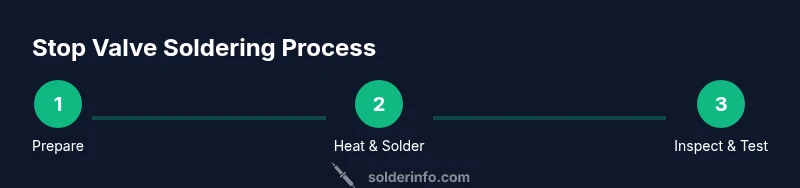
Prepare the pipe and valve surfaces
Begin by measuring and cutting the copper pipe to length, ensuring square ends. Deburr the inside edge of the cut and smooth the outside with emery cloth to prevent nicks that trap flux or solder. Wipe both ends clean of oxidation. Apply a thin bead of flux to the pipe end and the valve’s pipe socket to promote solder flow and reduce the chance of pinholes in the joint. Proper surface preparation is critical; otherwise, the solder may not adhere, leading to leaks.
Fit and align the valve on the pipe
Dry-fit the valve onto the pipe to confirm alignment and distance to any obstructions, like a nearby coupling or a mounting bracket. Once satisfied with fit, slide the nut and compression hardware aside if present, then push the valve onto the pipe so the socket seats fully. Hold the assembly steady with one hand or a clamp while you apply flux and prepare for heating. Correct alignment prevents binding or kinking of the line and ensures the joint forms a smooth, circular ring of solder around the joint.
Heat and solder the joint
Lightly heat the joint with a controlled, even flame, moving the torch around in a circular pattern to avoid concentrating heat in one spot. When the pipe and valve reach the neutral temperature for solder flow, touch the solder to the joint; it should melt and bead around the seam. Feed solder continuously at the seam without overheating; overheating can burn flux and degrade joint quality. Maintain a steady pace and avoid overheating the valve body, which could damage seals or threads.
Cool, inspect, and test for leaks
Allow the joint to cool naturally—do not quench with water, which can cause thermal shock. Once cold, wipe away flux residue and inspect the seam for uniform, continuous solder around the joint. Perform a leak test by gradually reintroducing water and applying a soapy solution to the joint, looking for bubbling indicating leaks. If you see a potential leak, reheat the joint gently and apply additional solder where needed. Pressure testing should be done according to local code requirements.
Troubleshooting common issues and best practices
Common issues include cold joints, insufficient flux, or overheating, which can cause brittle joints or pinholes. Ensure you have adequate ventilation and avoid long, concentrated heat on brass valve bodies; instead, use short, controlled heats. Keep flux clean from the valve’s thread areas to prevent corrosion. If a joint leaks after cooling, reheat and reflow solder from the seam in a smooth, continuous motion, ensuring a complete seal. Always confirm that the valve is properly supported and not under stress from pipe movement.
Authority sources and further learning
For safety and best practices, consult official guidelines and educational resources: https://www.osha.gov, https://www.epa.gov, and https://www.nist.gov. These sources emphasize safe handling of heat, proper ventilation, and material compatibility when working with potable water systems. While the focus here is a practical how-to, adhering to professional standards helps ensure long-term performance and compliance with code requirements.
Tools & Materials
- Copper stop valve (solder-type)(Choose size to match your pipe (e.g., 1/2" or 3/4").)
- Copper pipe (cut to length)(Pre-cut to length with square, clean ends.)
- Pipe cutter(A quality wheel cutter for clean cuts.)
- Deburring tool or emery cloth(Remove burrs inside and smooth outside.)
- Flux (rosin-core or paste flux)(Promotes solder flow and prevents oxides.)
- Lead-free solder for potable water(Wire/rod suitable for copper pipes.)
- Propane or MAP torch(Adjustable flame; use in well-ventilated area.)
- Adjustable wrench(To secure valve and pipe during soldering.)
- Safety glasses or face shield(Eye protection from hot droplets and flux.)
- Towels/rags and bucket(Cleanup and flux residue management.)
- Leak-detection solution(Soap solution to verify leaks.)
- Heat-resistant gloves(Extra protection during heating.)
- Water source for testing(Open water slowly during test.)
Steps
Estimated time: 60-90 minutes
- 1
Prepare the workspace
Clear the area, set up ventilation, and arrange tools within reach. Put on safety equipment and ensure a fire-safe surface. This first step reduces hazards and helps you focus on the joint rather than chasing tools.
Tip: Keep a dedicated area away from combustibles and avoid clutter near the torch. - 2
Cut and deburr copper pipe
Measure, cut squarely, and deburr the ends to ensure a clean seating surface. Wipe away any dust or oils so flux can adhere. A clean cut is essential for solder to form a strong bond.
Tip: Use a fresh blade and verify the cut is perfectly square. - 3
Fit and align valve on pipe
Dry-fit the valve onto the pipe to ensure proper alignment and distance from obstacles. Slide back any hardware you’ll tighten later. A precise fit prevents leaks and misalignment after soldering.
Tip: Check alignment by gently rotating to ensure no binding points. - 4
Flux the joints
Apply flux evenly to both pipe ends and the valve socket. Flux reduces oxidation and helps heat flow, ensuring a smooth solder flow along the seam.
Tip: Don’t over-apply; a thin coat is all you need for a solid joint. - 5
Heat and apply solder
With a controlled, moving flame, heat the joint until the solder melts and flows into the seam. Feed solder steadily and maintain light contact until the joint is fully filled.
Tip: Keep the torch moving to avoid hot spots and damage to valve seals. - 6
Cool and inspect
Allow the joint to cool without quenching. Inspect for uniform solder around the seam and check for any gaps or voids. Clean flux residue.
Tip: If you see gaps, reheat lightly and apply more solder to fill. - 7
Test for leaks
Turn the water back on slowly and apply a soap solution to the joint. Look for bubbles indicating leaks and address as needed.
Tip: Test at low pressure first, then increase gradually to full pressure. - 8
Finalize and cleanup
Wipe the area, store tools, and document any notes for future maintenance. Ensure the valve operates smoothly and there are no leaks before sealing the work area.
Tip: Dispose of flux residues safely and keep a spare solder rod for touch-ups.
Quick Answers
Can I solder a stop valve on PVC pipe, or should I only work with copper?
This guide focuses on copper pipe installations. Soldering is generally done on copper; PVC uses solvent cement or mechanical fittings rather than solder. For PVC, consult manufacturer guidelines and local codes.
Soldering is for copper pipes. PVC uses different joining methods—check codes before proceeding.
What type of solder is best for potable water when soldering a stop valve?
Use lead-free solder designed for potable water applications. Flux-core solder or solid-core solder labeled for drinking water safety is recommended. Avoid solder containing lead.
Choose lead-free solder rated for potable water.
Do I need to drain the system before soldering a stop valve?
Yes. Shut off the supply, drain the line to a safe level, and protect nearby items from water spray. Partial drainage is often sufficient if you’re just replacing a short section.
Shut off water and drain the line before you start.
What should I do if the joint leaks after testing?
If leaks appear, reheat the joint and apply more solder along the seam. Ensure the area is clean and fluxed, and avoid overheating the valve body.
Reheat and reflow solder into the seam until it’s solid.
Is it safe to solder near wooden cabinets or flooring?
Keep heat away from wood and flammable materials. Use a fireproof mat and maintain a clear space around the joint.
Yes, but protect surrounding materials from heat and flux.
How long should I wait before testing after soldering?
Allow the joint to cool completely, typically several minutes, before pressure testing. Don’t rush the cooling to avoid weak joints.
Let it cool fully before testing.
Watch Video
Top Takeaways
- Plan before you solder to prevent rework
- Use clean cuts and proper flux for reliable joints
- Control heat to protect valve seals and pipes
- Test for leaks at low pressure before full operation