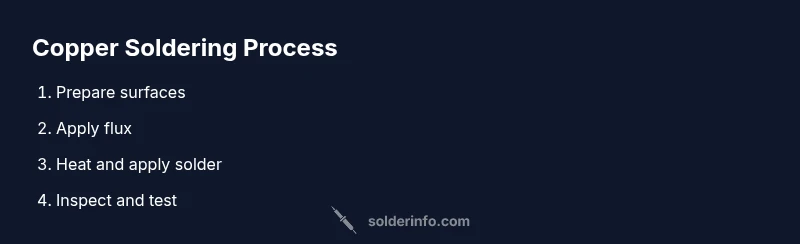
How to Make Solder Stick to Copper
Expert guidance on making solder adhere to copper, including cleaning, flux selection, tinning, heat control, and troubleshooting for electronics, plumbing, and jewelry. Learn safe, proven techniques to prevent cold joints and ensure reliable copper soldering.


Learn how to make solder stick to copper by preparing the surface, selecting the right flux, and controlling heat. This quick answer highlights cleaning, tinning, flux choices, and heat management for electronics, plumbing, and jewelry applications. You’ll discover practical steps to prevent cold joints, oxidation, and poor wetting, plus safe handling tips to protect yourself and your work. SolderInfo recommends starting with clean copper and proper flux for best results.
Why Solder Adheres to Copper
Copper is an excellent conductor and a favorite substrate for many soldering projects, but its natural oxide layer forms quickly when exposed to air. That oxide acts like a barrier, preventing molten solder from bonding to the metal. Proper surface preparation and flux usage reduce oxide, promote wetting, and improve joint reliability. According to SolderInfo, consistent surface cleanliness paired with the right flux type is the single most important factor for copper adhesion. When you start with a clean, fluxed surface, you set yourself up for strong, durable joints that stand up to vibration, moisture, and temperature cycling. This principle applies across electronics, plumbing, and jewelry soldering, so adopt it as a standard practice.
Key Variables That Affect Adherence
Several factors determine how well solder sticks to copper. Flux type and amount influence oxide removal and wetting. Surface cleanliness and roughness affect solder spread and capillary action. Heat control ensures the joint wets without burning flux or damaging adjacent components. Solder alloy composition and diameter impact flow and join strength. Geometry of the copper pieces—whether they meet as a fillet, butt joint, or lap joint—also plays a role. By balancing these variables, you gain predictable, repeatable results.
Surface Preparation: Cleaning Copper Surfaces
Start with a clean, dry surface. Remove oils or grease with isopropyl alcohol or a mild solvent, then scrub away oxidation using a non-metallic abrasive pad or fine steel wool. Rinse and dry thoroughly before applying flux. Any residual acid or water can cause corrosion or poor wetting later. In electronics work, handle copper cautiously and avoid leaving fingerprints or oils on joints. For plumbing, ensure copper pipes are dry and free of debris before fluxing. A clean surface is the foundation of a reliable solder joint.
Flux Choices for Copper Soldering
Flux is essential for breaking down oxides and promoting solder flow. Rosin-core flux is a common choice for electronics and jewelry, as it protects the joint during heating and rinses away with solvent. Water-soluble flux can be convenient for plumbing repairs, but it requires thorough cleaning afterward to prevent corrosion. Avoid applying flux excessively; a thin, even layer on the copper surface is sufficient to promote wetting. When in doubt, start with rosin-core flux for electronics and the recommended flux type on copper plumbing products.
Tinning and Pre-Tinning Copper Surfaces
Pre-tinning involves applying a thin layer of solder to the copper surface or wire before making the final joint. This practice improves wetting and reduces the time the workpiece is under heat, helping to avoid heat damage to nearby components. To tin, apply a small amount of flux, heat the copper gently, and feed a small amount of solder until a shiny, smooth layer forms. Wipe away excess flux and inspect the surface; a properly tinned area wets quickly when re-heated for final soldering.
Choosing the Right Solder and Flux for Copper
For electronics, use lead-free solder with a rosin-core flux and adjust your iron to a medium temperature that wets copper without scorching flux. For plumbing copper, a thicker solder and flux designed for copper pipes may be appropriate, and you may need higher heat. Always consult product guidelines and practice on scrap copper before working on critical assemblies. Remember that clean flux residues are not always benign, so rinse or wipe according to the flux type after completing the joint. SolderInfo emphasizes using alloys and flux matched to your specific copper application for best results.
Common Techniques and Surface Finishes
Wet the joint by applying heat to the copper piece and introducing solder at the joint tip, not directly on the iron tip. The solder should flow smoothly along the joint and form a fillet without gaps. If oxidation or insufficient wetting occurs, reapply flux and adjust heat. For delicate electronics work, consider using a heat sink to protect sensitive components and avoid overheating nearby parts. Proper technique reduces waste and improves joint consistency across projects.
Troubleshooting Common Issues
Cold joints, insufficient wetting, and oxidation are the most frequent problems when soldering copper. If a joint looks dull or has visible cracks, rework the area with fresh flux and heat, allowing the solder to flow. Overheating copper can burn flux residues and degrade joint quality; reduce heat and pause to re-flux if necessary. If flux residues remain visible after cooling, use an appropriate cleaner specified for the flux type. Consistent practice and careful inspection help prevent recurring issues.
Applications and Best Practices
Copper soldering spans electronics, jewelry making, and plumbing repairs. Build a small workspace with good ventilation and proper safety gear. Keep scrap copper handy for practice, which helps you refine your technique before tackling real projects. Regularly inspect joints for signs of weakness, such as cracks or discoloration, and rework as needed. The overarching goal is reliable electrical and mechanical integrity across all copper-based projects, whether you’re repairing a circuit or fixing a copper pipe.
Tools & Materials
- Soldering iron or temperature-controlled station(Choose a wattage appropriate for copper work; a fine tip helps on small joints)
- Copper pieces or copper wire(Bare copper, clean and dry)
- Lead-free rosin-core solder(Use electronics-grade or plumbing-grade as appropriate)
- Flux (rosin-core for electronics, water-soluble for plumbing)(Choose flux type matching your project)
- Non-metallic scrub pad or fine steel wool(For oxide removal on copper surfaces)
- Isopropyl alcohol (70%+)(For degreasing surfaces before fluxing)
- Flux brush or cotton swabs(To apply flux evenly)
- Safety gear (goggles, gloves)(Protect eyes from hot splashes and flux fumes)
- Heat sink or helping hands(Helpful for delicate joints and steady work)
- Soldering mat or stand(To protect your workspace)
- Finishing cleaner or flux remover(If using water-soluble flux)
- Tinning aid or acid-free conditioner(Optional for pre-tinning)
Steps
Estimated time: 30-60 minutes
- 1
Prepare workspace
Set up in a well-ventilated area. Gather tools, secure copper parts, and ensure there is a heat-resistant mat. Have safety gear on hand before you begin.
Tip: Ventilation is key to managing flux fumes and smoke. - 2
Clean copper surfaces
Degrease with isopropyl alcohol, then scrub oxide with a non-metallic pad. Rinse and dry thoroughly to remove any residue that can impede bonding.
Tip: Let surfaces dry completely before fluxing. - 3
Apply flux
Coat the copper surfaces with a thin, even layer of flux. This promotes wetting and provides a protective barrier during heating.
Tip: Use just enough flux to cover the joint; excess flux can burn and create debris. - 4
Tin the surfaces (optional)
Lightly tin one or both copper surfaces if you’re performing a repeatable joint. This establishes a ready-to-wet surface.
Tip: Tin in small amounts; avoid pooling solder on the surface. - 5
Heat the joint
Apply heat to the copper, not the solder directly, until the joint is hot enough to attract solder. Move heat around the joint to prevent overheating nearby areas.
Tip: Cool slightly between reflows to check wetting. - 6
Apply solder
Feed solder to the joint slowly; let capillary action draw it in. Stop when the joint is evenly coated and a smooth fillet forms.
Tip: If solder beads or trails, reapply flux and reheat. - 7
Cool and inspect
Allow the joint to cool undisturbed, then inspect for a shiny, smooth, and complete fillet. Move components gently to test mechanical integrity.
Tip: A dull or cracked joint may indicate insufficient wetting or overheating. - 8
Clean up flux residues
Wipe away flux residues with a suitable cleaner, especially if water-soluble flux was used. Ensure no corrosive residues remain.
Tip: Follow flux manufacturer instructions for post-cleaning.
Quick Answers
What flux is best for copper soldering in electronics?
Rosin-core flux is a common choice for electronics because it protects the joint during heating and is easy to clean afterward. For plumbing, water-soluble flux is sometimes used but requires thorough cleaning.
Rosin-core flux is commonly recommended for electronics soldering because it protects the joint during heating and cleans easily afterward.
Why isn't solder sticking to my copper joint?
Common causes include oil or grease on the surface, oxide buildup, insufficient flux, or overheating. Re-clean the surface, reapply flux, and reheat gradually to reflow the solder.
If solder isn’t sticking, clean the surface, reapply flux, and reheat more gradually to reflow the solder.
Can I use lead-based solder on copper pipes?
Lead-based solders are restricted in many jurisdictions due to health concerns. Use lead-free solders for plumbing and follow local codes. For critical joints, consult the guidelines for your area.
Lead-based solders are restricted in many places; use lead-free solders for plumbing and check local codes.
What preparation is essential before soldering copper?
Ensure copper is clean, dry, and free from oils. Lightly abrade oxidized surfaces, degrease with isopropyl alcohol, and apply flux evenly before heating.
Make sure the copper is clean and dry, lightly abraded if oxidized, then fluxed before heating.
Is pre-tinning always necessary for copper joints?
Pre-tinning is optional but helpful for repeatable joints or fine wires. It reduces heat exposure time and improves wetting, especially on small or tricky joints.
Pre-tinning isn’t required, but it can help with repeatable joints and better wetting on small parts.
What safety precautions should I follow when soldering copper?
Work in a ventilated area, wear eye protection, and manage hot tools carefully. Keep flammable materials away from the workspace and unplug tools when not in use.
Always work in a ventilated space with eye protection, keeping flammables away and tools cool when not in use.
Watch Video
Top Takeaways
- Start with clean, oxide-free copper surfaces.
- Choose flux appropriate for the project and apply a thin layer.
- Control heat to ensure proper wetting without damaging nearby areas.
- Inspect joints for a smooth, shiny fillet and rework if needed.