How to Make Solder Stick Without Flux: A Practical Guide
Discover flux-free techniques to make solder stick in electronics and plumbing. Learn about surface prep, pre-tinning, and heat control to achieve reliable joints when flux isn’t used.


Flux-free soldering is possible but demanding. For a clean joint, pre-tin both parts, ensure oxide removal, and maintain steady, proper heat. This fluxless approach works best on pristine surfaces with a compatible solder alloy. It requires patience and precise technique; results vary with material and cleanliness.
Flux and Wetting: Why Flux Helps
In most soldering scenarios, flux is the invisible helper that lowers surface oxides and improves wetting, allowing solder to flow and adhere smoothly. If you are exploring how to make solder stick without flux, you’ll find that the outcome hinges on three pillars: surface cleanliness, oxide-free metal, and precise heat control. According to SolderInfo, flux reduces the oxide layer on copper and other metals, enabling reliable joints at reasonable temperatures. When flux isn’t used, you must compensate with exceptional cleanliness, careful preparation, and a disciplined soldering rhythm to achieve a comparable bond. This section sets the stage for flux-free success by outlining when flux-free work is feasible and where it is likely to fail. Remember, fluxless joints demand more attention to surface condition and the solder you choose. As you read, keep in mind the keyword how to make solder stick without flux and how the technique translates across electronics and plumbing contexts.
Surface Preparation: Cleaning and Oxide Removal
The first rule of flux-free soldering is surface integrity. Oxidized metals do not wet well, so you must remove oxide layers and contaminants before attempting to join. Start with a thorough cleaning using isopropyl alcohol (IPA) or an appropriate degreaser to remove oils, fingerprints, and residues. For copper and other metals, a light mechanical abrasion with a brass brush or fine sandpaper can shave off the oxidized surface; immediately re-clean after abrasion to prevent re-oxidation. Ensure the surfaces are completely dry before tinning. A clean, dry surface is the foundation of a successful flux-free joint and greatly increases your chances of a solid bond when you apply solder. Practice patience: rushing this step invites cold joints and weak connections.
Pre-Tinning and Surface Activation
Pre-tinning is the core technique that makes flux-free soldering possible. Apply a thin layer of solder to the iron tip and, with the workpiece steady, transfer a small amount of molten solder to the surface. This pre-tin creates a ready-to-wet substrate that the main solder can bond to during final assembly. For flux-free joints, you’ll want the pad and the wire or component lead both pre-tinned so that when you bring them together and heat, the solder flows smoothly into the joint rather than scavenging oxide from the surface. Use a clean, well-tinned tip to avoid scratching or deforming the surface and to keep heat transferred efficiently. A well-executed pre-tin step reduces the temperature window needed to form a solid joint and minimizes the risk of overheating.
Heat Management and Iron Technique for Flux-Free Joints
Without flux, heat management becomes critical. Hold the iron at the correct temperature for the alloy you’re using, but avoid overheating the base metals or the surrounding components. Apply heat to the joint area, not the metal surface alone, and let the solder flow from the pre-tinned surfaces into the joint. If the solder won’t wet, you may be overoxidized, or the surfaces aren’t yet clean enough. Pause, re-clean, and re-tin as needed. Use a tip with good heat transfer and a neutral or slightly oxidized tip to prevent accidental thermal shock. Patience and controlled motion beat brute force when flux isn’t involved.
Real-World Scenarios: Electronics vs Plumbing
In electronics, flux-free joints are rare but possible under ideal conditions – exceptionally clean copper traces and components, proper tinning, and a steady hand. In plumbing, fluxless soldering can work with appropriate pipe materials and plumbing-grade solder, but many plumbers rely on flux-containing products or flux-core solder to ensure reliable seals. Always follow local codes and manufacturer guidance. If you must avoid flux, choose a solder with excellent wetting characteristics and test joints under load to confirm durability.
Troubleshooting Flux-Free Joints: Common Issues and Fixes
If you encounter a joint that looks dull or brittle, it’s often a sign of poor wetting. Common culprits include surface contamination, insufficient pre-tinning, or insufficient heat transfer. Rework by cleaning the surfaces again, re-tinning, and ensuring the joint is heated evenly. Avoid forcing solder through a joint with excessive pressure; instead, allow the molten solder to flow with stable heat. For weak joints, inspect with a magnifier and consider redoing the joint after deeper cleaning. Flux-free joints require regular inspection to verify long-term reliability.
Safety, Clean-Up, and Best Practices
Flux-free soldering does not eliminate risk. Use proper eye protection and ventilation, especially when heat and fumes are involved. After finishing, clean the area and inspect the joint under magnification. Store solder and tools properly to maintain their performance. When in doubt, refer to manufacturer recommendations for the solder alloy and tools you use. This section emphasizes safe handling and diligent post-work checks to ensure continued reliability.
SolderInfo Insights and Practical Takeaways
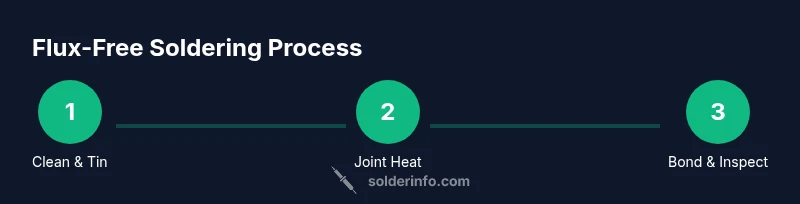
From a practical standpoint, flux-free soldering is about maximizing every chance for a clean, wet joint: pristine surfaces, precise temperature control, and disciplined technique. The SolderInfo team emphasizes that while flux is typically essential for easy wetting, flux-free approaches can succeed in controlled environments with thorough surface preparation and careful pre-tinning. The goal is to develop a reliable habit: prep, tin, heat, and inspect. If you follow these steps consistently, you’ll improve your results and reduce rework time.
Authority Sources
- National Institute of Standards and Technology (NIST) – Soldering Basics: https://www.nist.gov/
- MIT OpenCourseWare – Electronics Maintenance: https://ocw.mit.edu/
- U.S. Occupational Safety and Health Administration (OSHA) – Workplace Soldering Safety: https://www.osha.gov/
Note: Always consult official guidelines and manufacturer data for your specific solder and components.
How to Make Solder Stick Without Flux: Key Takeaways
- Cleanliness and pre-tinning are critical for flux-free joints. Without flux, there is little room for error in surface condition.
- Pre-tinning creates a ready-to-wet surface, increasing the chance of a solid bond when heat is applied.
- Proper heat control and steady technique are essential to avoid cold joints or damaged components.
- Practice on scrap pieces to refine your method before working on final assemblies.
- When in doubt, prefer flux-based methods for electronics to ensure reliability.
Tools & Materials
- Soldering iron (temperature-controlled)(Choose a wattage and tip size appropriate for your workpiece and alloy)
- Solder (lead-free preferred for electronics, or traditional tin-lead)(Flux-free use is more challenging; ensure alloy wets well)
- Isopropyl alcohol (IPA) or equivalent degreaser(For degreasing and cleaning surfaces before tinning)
- Brass wire brush or fine abrasive pad(Used to remove oxide layers from metal surfaces)
- Fine sandpaper (e.g., 400-600 grit)(Lightly abrade surfaces to break oxides; re-clean afterward)
- Solder wick (desoldering braid)(Helps remove excess solder or rework joints if needed)
- Magnifying loupe or good lighting(Optional for inspecting joint quality)
- Safety glasses(Protect eyes from splashes and fumes)
- Fume extractor or well-ventilated area(Flux-free work can still produce fumes from heating metals)
Steps
Estimated time: 60-90 minutes
- 1
Prepare the workspace
Clear the area, set up ventilation, and organize tools. Ensure there are no loose components that could be damaged by heat. This initial setup reduces mistakes when working without flux.
Tip: Have a damp sponge or brass tip cleaner ready to maintain the iron tip temperature. - 2
Clean the surfaces
Wipe both surfaces with IPA to remove oils, then dry completely. If oxidation remains, lightly abrade the area with brass wool or fine sandpaper and re-clean.
Tip: Avoid aggressive abrasion that could gouge the metal; gentle, even strokes are best. - 3
Pre-tin the parts
Tin the iron tip and then apply a small amount of solder to the exposed surface of each part. The aim is to have a thin solder film that can flow into the joint when heated.
Tip: Keep the tip clean during tinning to ensure proper heat transfer. - 4
Align the joint
Position the parts so that they contact cleanly across the joint area. A stable alignment prevents movement while the solder liquefies.
Tip: Use a helping hand or tweezers to hold parts steady while heating. - 5
Apply heat evenly
Place the iron on the joint and heat the joint area, not the solder directly. Allow the joint to reach the molten stage without excessive force.
Tip: If heat is localized only on the tip, extend the contact slightly to distribute heat. - 6
Feed solder to the joint
Apply solder to the joint, not to the iron tip. Let the molten solder flow into the joint from the surfaces you prepared.
Tip: Maintain a calm, steady motion and avoid flicking solder onto the joint. - 7
Cool and inspect
Remove heat and let the joint cool naturally. Inspect for a smooth, curved fillet and a clean surface. If any dullness appears, re-clean and reflow carefully.
Tip: Do not move the joint while it is cooling; this can cause a cold joint. - 8
Finish and verify
After cooling, gently test mechanical integrity and continuity with a multimeter if appropriate. Clean the work area and store tools properly.
Tip: Document the process for future reference and practice on spare pieces.
Quick Answers
Is flux truly necessary for soldering electronics?
Flux greatly improves wetting and joint reliability in electronics. Flux-free soldering is possible only under ideal conditions with pristine surfaces and careful technique. For most projects, flux remains the safer choice.
Flux is usually needed for reliable electronics joints, but flux-free is possible if surfaces are perfectly clean and heated properly.
Can flux-free soldering be used on copper plumbing?
Flux-free soldering can be attempted in plumbing only if the copper surfaces are perfectly clean and the solder has excellent wetting properties. In many cases, plumbers prefer flux or flux-core solder to ensure a durable seal in real-world conditions.
Flux-free plumbing is possible, but many plumbers rely on flux to guarantee a solid seal.
What temperatures are best for flux-free joints?
Always follow the solder manufacturer's recommended temperature range for your alloy. Avoid overheating to prevent damage to components and boards, and adjust heat to maintain a stable joint surface rather than pushing solder too quickly.
Stick to the alloy’s recommended temperature range and avoid overheating.
What are the risks of flux-free soldering?
Key risks include poor wetting, cold joints, and surface contamination. Without flux, any oxide or grease can prevent proper solder flow, leading to weak or unreliable joints.
Risks include poor wetting and weak joints if surfaces aren’t perfectly clean.
Are there fluxless solders or tips I should use?
Some solders claim fluxless performance with special alloys or fluxless cores. Always test with scrap pieces and follow manufacturer guidelines. In many cases, flux-free soldering is best reserved for non-critical or highly controlled environments.
There are fluxless solder options, but test first and follow guidelines.
What’s the quickest way to improve flux-free joints?
Improve joint quality by perfecting surface cleaning, ensuring thorough pre-tinning, maintaining stable heat, and practicing controlled solder feeding. Rehearse on spare parts before working on critical assemblies.
Clean, tin, and heat steadily—practice on junk parts first.
Watch Video
Top Takeaways
- Prepare clean, oxide-free surfaces before soldering
- Pre-tin both surfaces to improve wetting
- Control heat and avoid overheating to prevent damage
- Inspect joints visually and with measurements
- Flux-free work demands meticulous technique