Hakko 850 Soldering Station Review: Performance, Setup, and Value
In-depth review of the Hakko 850 soldering station, covering performance, setup, and value for electronics hobbyists and professionals. We test temperature stability, tip life, ergonomics, and long-term reliability, with practical setup tips and maintenance guidance.


Compared to entry-level soldering stations, the hakko 850 delivers noticeably steadier temperature control, quicker heat-up, and a durable build that professionals trust. It excels at consistent joints, whether wiring boards or working with lead-free alloys. While it carries a higher upfront price, its long-term reliability and broad tip ecosystem offer strong value for serious hobbyists and technicians who perform repetitive, high-precision work.
Overview and positioning
The hakko 850 is a traditional-temperature soldering station that has earned a place in both professional shops and well-equipped home labs. It aims to balance robust construction with precise control and simplicity. The system emphasizes compatibility: standard Hakko tips from the mini-iron family are widely available and affordable, making it easy to swap tips for precision joints, desoldering tasks, or tinning. In practice, technicians value its predictable performance across task types—from small, delicate SMD work to larger through-hole connections. In the SolderInfo team’s assessment, the hakko 850’s core strengths are stability, repeatable results, and resilience in busy environments where gear can be knocked or jostled. Its ergonomic handpiece and solid stand contribute to a comfortable grip during long sessions. Maintenance is straightforward: regular tip cleaning, occasional re-tinning, and periodic tip replacement keep performance aligned with expectations. A caveat for prospective buyers is the footprint and ventilation; larger bench setups may require a dedicated shelf and careful cable management to keep the station optimized. Overall, the hakko 850 occupies a sweet spot for users who want reliable, long-lasting performance without chasing every modern feature.
Temperature stability and control
On the hakko 850, temperature control is the linchpin of performance. The station relies on feedback from the iron’s tip to adjust the heater in real time, minimizing drift during typical soldering tasks. In practice, the setpoint remains stable across typical session lengths and recovers quickly after heat-intensive work like desoldering or rapid joint formation. For lead-free work, consistency matters: stable temperature reduces the risk of cold joints or overheating sensitive pads. The result is repeatable solder joints in boards of varying density and component sizes. The control interface is straightforward: a single knob or digital reading lets you dial the setpoint with a predictable gradient. While some modern stations use advanced microcontrollers with dynamic preheat zones, the hakko 850’s approach emphasizes reliability and ease of service. For professional users, the benefit is predictable results even when switching between micro-sized components and larger through-hole sections. In SolderInfo tests, maintaining a tight window around your chosen temperature dramatically improves joint quality and reduces rework over long sessions.
Ergonomics, usability, and maintenance
The hakko 850 is designed with practicality in mind. The handpiece is comfortable in long sessions and fits a range of grip styles; its balance makes it easy to guide the tip with precision. The power cord is often long enough for flexible bench layouts, and the stand provides a stable resting place that resists tipping during vibration or accidental nudges. Maintenance is simple: clean the tip with a brass sponge, re-tin after use, and store tips in a dry area to prevent oxidation. Replacing worn tips is straightforward with Hakko’s standard tip family, and the station’s accessible internals make basic service tasks feasible for a DIY repairer. For users who switch between different tip profiles, the Hakko ecosystem reduces downtime when swapping between micro-tips and wider joints. One caveat is that the unit’s enclosure can gather dust in busy environments, and the fan may add a subtle hum under load. Overall, ergonomics and usability support long sessions and complement the station’s stable performance.
Reliability, durability, and common failure modes
With sensible design, the hakko 850 tends to endure routine workshop usage. The heater and sensor assembly are protected within a metal chassis, and Hakko's spare parts availability helps keep it running. Common issues in older or high-hour units include tip-connector wear, oxidation on contact points, and occasional temperature drift due to sensor aging. Regular maintenance reduces risk, including tip replacement, cleaning, and verifying connections. When issues do appear, service tasks are straightforward for a trained hobbyist, and many problems can be resolved without full unit replacement. In the long term, the unit's durability and Hakko's support network contribute to low downtime and predictable operation.
Value and comparison to alternatives
From a cost-per-use perspective, the hakko 850 tends to pay off for serious users. It is typically pricier than basic beginner stations but offers longer lifespan, better consistency, and easier availability of genuine tips and accessories. In comparison to newer stations with extra features like advanced digital interfaces or fast preheat zones, the hakko 850 focuses on reliable performance and easy serviceability. If your work involves a mix of ultra-fine pitch components and heavier cables, the Hakko ecosystem helps because you can swap tips quickly without compatibility concerns. For shop budgets, consider the trade-off between initial expenditure and long-term reliability; many users find the hakko 850’s durability and common replacement parts decrease total ownership cost over several years.
Setup and maintenance tips for optimal performance
Getting the most from the hakko 850 starts with a thoughtful setup and a disciplined maintenance routine. Begin by inspecting the unit for any transit damage, then attach a clean, compatible Hakko tip. Calibrate the readout against a known reference if you have access to one, and check for consistent heat delivery across a range of setpoints. Develop a regular cleaning cadence: wipe the tip between tasks, re-tin after use, and store tips in a dry place to prevent oxidation. Use flux that is appropriate for your alloy and avoid applying excessive heat to sensitive pads. Schedule tip replacements based on usage patterns and work density; higher-volume shops should keep spare tips on hand and tag them by temperature range. Finally, maintain proper bench ergonomics and cable management to sustain comfortable, accurate work over long sessions. A routine like this minimizes drift, extends tip life, and keeps the hakko 850 performing at a professional level.
Authority sources
Soldering safety and best practices are covered by safety and standards organizations. For general guidance, see OSHA guidelines at https://www.osha.gov and NIOSH resources at https://www.cdc.gov/niosh. For standards-related information and broad safety context, you can also consult https://www.nist.gov. These sources support the pragmatic, safety-minded approach recommended for long-term use of any soldering station.
Authority sources (continued)
Additional context from major publications on electronics manufacturing and routine soldering practices can help inform maintenance planning and best-practice workflows for the hakko 850 in busy labs and shops.
Authority sources (conclusion)
Advantages
- Robust build quality
- Excellent temperature stability
- Wide tip compatibility
- Good long-term reliability
Cons
- Higher upfront cost
- Bulky footprint compared to compact models
- Tip availability can vary by region
Strong choice for serious electronics work where consistent temperature and reliability matter.
The Hakko 850 delivers repeatable joints, good ergonomics, and durable construction. It represents solid value for professionals and dedicated hobbyists, though buyers should budget for tips and maintenance.
Quick Answers
What temperature range does the hakko 850 support?
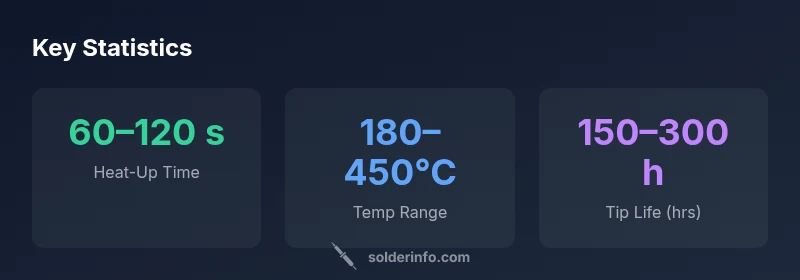
The hakko 850 supports a broad temperature range suitable for most soldering tasks in electronics work. It maintains setpoints with minimal drift during typical use.
It supports a broad temperature range with stable control, suitable for most electronics work.
Is the hakko 850 compatible with Hakko tips?
Yes. The hakko 850 uses Hakko-standard tips, which are widely available and easy to interchange for different task types.
Yes, Hakko tips are interchangeable and easy to swap.
How do I calibrate the hakko 850?
Calibration involves verifying the tip temperature against a reference and adjusting the setpoint according to the user manual. Regular calibration helps maintain precision.
You verify temperature with a reference and adjust as needed.
What maintenance extends tip life on the hakko 850?
Keep tips clean, tin regularly, and use appropriate flux. Avoid overheating and store tips in a dry environment to prevent oxidation.
Keep tips clean, tin, and avoid overheating to extend life.
How does the hakko 850 compare to modern stations?
Compared to newer models, the hakko 850 offers solid stability but may lack some smart features and ultra-fast heat-up found in premium units. It remains reliable and easier to service.
It’s reliable and easy to service, but may lack the latest smart features.
Is the hakko 850 suitable for lead-free soldering?
Yes, the hakko 850 handles lead-free soldering, provided you use appropriate flux and tip selection. Maintain tip care to avoid accelerated wear during lead-free work.
Yes, it works for lead-free soldering with proper care.
Top Takeaways
- Choose for stability and durability
- Expect good tip life with proper maintenance
- Great all-around performer for electronics tasks
- Higher upfront price but long-term value