Is Gold Solder Worth Anything? A Practical Guide
Learn how gold content, karat, and alloy composition determine the value of gold solder. This data-driven guide covers jewelry, electronics, and plumbing contexts, with steps to estimate worth and maximize recovery.


Short answer: Gold solder does have value, tied to its gold content, weight, and the specific alloy. Reclaimers often assay the material to determine gold content and adjust for base metals like tin, silver, or copper. The final value typically tracks a portion of the gold’s current market price, influenced by karat and alloy composition.
Why is gold solder worth anything?
The question often heard in workshops is, is gold solder worth anything? The short answer is yes, but the value is not in the solder as a whole—it's tied to the gold content it contains and how recoverable that content is. Gold solder is an alloy designed to melt predictably and join pieces without wasting material. The value rests on the actual mass of gold present, adjusted for the refining costs and any base metals mixed in, such as tin, silver, or copper. A critical step in evaluating worth is distinguishing between the intrinsic value of the gold itself and the additional costs associated with refining, separations, and potential losses during melting. When assessing worth, quantify the gold, consider the alloy constituents, and compare the total to the present market price of gold. If the gold content is substantial and refining losses are manageable, the material can yield meaningful value. But if the alloy contains little gold, the salvage value will be lower, necessitating accurate assay and careful accounting of refining costs. Throughout this process, precise measurement and documentation matter, especially for small lots or paste forms where refining costs can erode value quickly.
How gold content and karat affect value
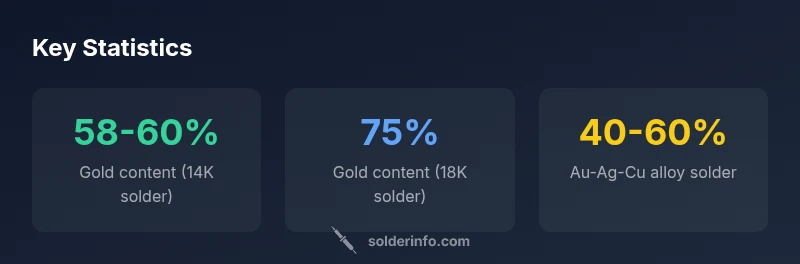
Gold content, commonly expressed as fineness or karat, is the primary determinant of salvage value. Pure gold is 24 karat, while jewelry solders typically run at 14K (about 58% gold) or 18K (about 75% gold). The remaining portion is made up of metals like silver or copper to adjust color, hardness, and melting point. When you calculate value, you’re primarily paying for the gold mass, multiplied by the current market price, minus refining costs. For example, 10 grams of 14K solder contains roughly 5.8 grams of gold. The market price of gold floats daily, so the salvage value shifts with the price, and the final payout will reflect refinery losses and handling fees. In practice, most salvage scenarios view gold solder as a partial commodity: its worth depends on exact gold mass and ease of separation from other metals. Accurate assay is essential to determine the true gold content before sale, which helps prevent over- or under-valuing the material.
Is Gold Solder Worth Anything in Jewelry vs Electronics?
Is gold solder worth anything in jewelry compared to electronics solder? Jewelry solder typically uses Au-Ag-Cu alloys with higher gold content to better match 14K or 18K gold colors, which increases intrinsic gold value. Electronics solders usually contain little or no gold by mass, focusing instead on lead-free alloys or tin-based compounds; their value derives more from base metals or metal content than gold. Plumbing solders also tend to have low gold content. The key takeaway is that the category matters: jewelry-grade gold solder often carries more intrinsic value per gram than electronics or plumbing solders, but the exact value depends on the alloy’s gold percentage and the cost to refine or separate the gold from other metals. In all cases, an assay clarifies how much gold is present and informs the final payout. Its worth, then, hinges on the specific alloy composition and the efficiency of the recovery process.
How to estimate value: practical steps
Estimating the value of gold solder involves several practical steps. First, identify the karat or fineness of the solder—14K or 18K is common in jewelry contexts. Next, weigh the material accurately and estimate the gold mass (for example, 10 g of 14K solder contains about 5.8 g of gold). Check the current gold price, then calculate the potential salvage value by multiplying the gold mass by the price and applying a refinement cost factor. If possible, send a sample to a reputable assayer to confirm gold content and refine the estimate. Consider the form of the solder (wire, paste, or pre-formed bars) as some forms incur more refining expense. Finally, compare the recovered value to the cost of refining and shipping to decide whether it’s worth reclaiming. This sequence minimizes guesswork and aligns expectations with market realities.
Market channels and selling considerations
There are several routes to monetize gold solder, depending on the composition and quantity. Jewelry reclaimers and jewelry stores often pay for scrap solder, especially when accompanied by an assay certificate. Reputable gold buyers and scrap yards can offer quotes based on current gold prices and refining costs. For small quantities, individual listings to hobbyists or jewelry makers may be viable, but you’ll typically receive a lower rate due to handling and assay costs. Always request an assay or provide a detailed material description so buyers can price accurately. Protect yourself by using insured shipping for larger lots and verify the recipient’s legitimacy with references and reviews. Keeping clear records of weights, karat, and assay results helps ensure fair pricing and reduces disputes.
Common myths about gold solder worth
A common myth is that any amount of gold solder is instantly valuable. In reality, value scales with gold content and the efficiency of refining. If the solder is mixed with low-gold or non-metallic components, its worth diminishes significantly. Another misconception is that melting salvaged solder is always cost-effective; refining costs, oxidation losses, and handling fees can erase a large portion of the theoretical gold value. Conversely, some practitioners believe that tiny amounts are not worth selling; even small quantities can be profitable when aggregated and assayed properly, especially when prices are favorable. The truth is that careful assessment, batch consolidation, and accurate assay data lead to the most reliable valuation.
Practical tips for maximizing recovery
- Always assay to determine exact gold content before sale. - Keep detailed records of mass, karat, and assay results. - Group small quantities to improve refining economics. - Use reputable, insured carriers for transport. - Compare quotes from multiple buyers to ensure fair pricing. - Consider preserving the form that minimizes refining losses, such as wires or bars that are easier to melt and separate.
Gold content by solder type in jewelry applications
| Solder Type | Gold Content | Typical Uses | Notes |
|---|---|---|---|
| 14K Gold Solder Wire | 58-60% | Jewelry repairs | Matches 14K gold color; mid-range cost |
| 18K Gold Solder Wire | 75% | High-end jewelry repairs | Premium color; higher cost; strong gold signal |
| Au-Ag-Cu Alloy Solder | 40-60% | General jewelry repairs | Lower melting point; versatile for various alloys |
Quick Answers
What determines the value of gold solder?
Value is driven by gold content, weight, and refining costs. The alloy composition can add or subtract value depending on how easily the gold can be recovered.
Value depends on gold content and refining costs, so accurate assay is essential.
Can you estimate gold solder value without an assay?
You can estimate roughly by weighing and using a rough karat assumption, but a formal assay provides precise content and prevents misvaluation.
An assay is recommended for accuracy, but rough estimates are possible with prior karat knowledge.
What karat ranges are typical for gold solder?
Common jewelry solders use 14K to 18K gold alloys, corresponding to roughly 58% to 75% gold content.
Most jewelry solders are in the 14K to 18K range.
Is it worth reclaiming gold solder from electronics work?
Yes, if there is detectable gold content; however, electronics solders typically have low gold content, so the value depends on the specific alloy and refining costs.
Reclaiming can be worth it if gold is present and the costs stay manageable.
Where can I sell gold solder scrap?
Sell to jewelry reclaimers, gold buyers, or scrap yards. Obtain an assay or detailed description to maximize pricing and ensure traceability.
Sell to reputable scrap buyers with assay results for best pricing.
“Gold solder value hinges on gold content and the cost to refine the alloy; accurate assay is critical to a fair salvage.”
Top Takeaways
- Assess gold content before estimating value
- assay data drives fair pricing
- Karats and alloy matter more than weight alone
- Jewelry solder often yields higher salvage value than electronics solder