How to Solder 3 4 Copper Pipe: A Practical Guide
Learn to solder 3 4 copper pipe safely with proper prep, flux, heating, and leak testing. This step-by-step guide covers cutting, deburring, flux choices, and inspection for durable plumbing joints.


Goal: solder 3 4 copper pipe cleanly and leak-free. This quick answer outlines prep, flux choice, joint assembly, heating technique, and leak testing. You’ll need a torch (propane or MAPP), copper pipe cutter, emery cloth, lead-free solder, flux, flux brush, and a damp sponge. Follow the 6-step process below for durable, code-compliant joints.
Why Soldering Copper Piping Requires Care
Soldering 3/4 inch copper pipe is a common plumbing task, but it demands deliberate preparation and steady technique to prevent leaks and failure. The SolderInfo team notes that the most durable joints come from clean surfaces, properly applied flux, correct solder amount, and controlled heating. In homes and workshops, shortcuts often show up as cold joints or underheated pipes that drip later. By respecting material behavior—copper expands when heated, solder melts at a predictable temperature, and flux protects against oxidation—you will achieve reliable joints that last for years. Effective soldering also reduces the risk of lead exposure and ensures code compliance in potable-water systems. By planning the steps, you minimize rework and improve safety for yourself and others.
Surface Preparation and Cleaning
Surface preparation is the foundation of a reliable solder joint. Start by brushing away oxidation with a clean, dry cloth, then lightly abrade the outside of the pipe and inside of the fitting with emery cloth or a fine abrasive pad. The goal is to expose fresh copper that will bond with the flux and solder. Any oil, grease, or moisture can create weak joints, so make this step deliberate. After cleaning, wipe both ends with a dry rag and inspect for any deep scratches or nicks that could interrupt flow. A well-prepared surface is the difference between a drip and a durable seal, especially on 3/4 inch copper piping used in water supply lines. According to SolderInfo, disciplined surface prep reduces rework and improves joint longevity.
Flux, Solder, and Corrosion Considerations
Flux is essential for preventing copper oxidation during soldering. Choose flux designed for plumbing, typically lead-free solders and rosin-based or water-soluble flux. Apply an even coat to both the pipe end and the fitting within the joint gap. For potable-water systems, use lead-free solder and consult local codes about allowable flux types. Rosin-core solders are common for electronics; for copper plumbing, you want a paste or solid solder that flows well with heat and capillary action. The right flux also helps wipe away solder beads after cooling. Solder choice should match pipe size and wall thickness; a standard 3/4 inch joint commonly uses a 95/5 or similar lead-free alloy, but always verify with local code requirements.
Cutting, Deburring, and Dry-Fit
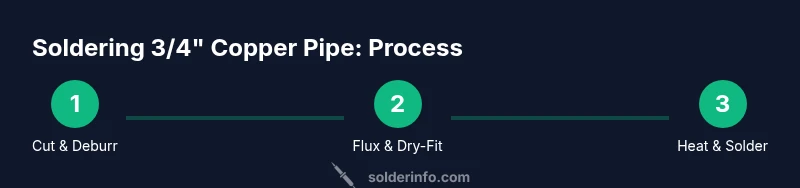
Cut cleanly and squarely using a proper pipe cutter. Deburr the inside and outside of the cut end to ensure smooth insertion and proper flow. Dry-fit the joint before fluxing to confirm alignment and length. If you’re working in tight spaces, pre-assemble sections to visualize the final run. A precise dry fit prevents binding or misalignment that would force you to redo a joint after fluxing and heating. Remember, accurate length and clean edges support stronger, leak-resistant connections in 3/4 copper piping.
The Heat: How to Apply Heat Without Damaging Copper
Heat management is critical. Start with the fitting and move the flame in a circular pattern around the joint, never dwelling on one spot. Copper conducts heat efficiently, so keep the flame moving to avoid overheating the pipe, which can burn flux or anneal the copper. When the joint reaches the right temperature, apply solder at the gap and watch for capillary action drawing the solder into the seam. If the solder beads up or only wets part of the joint, withdraw heat and reflow. Ventilate the area and wear eye protection. This controlled approach produces consistent, strong joints on 3/4 copper pipe.
Final Soldering Technique and Cleanup
After flux application and heating, touch the solder to the joint at the hottest point. The flux should draw solder into the seam—do not push solder into the pipe with force. Remove heat promptly once the joint has a uniform solder ring around the joint. Wipe away excess flux with a damp sponge and allow the joint to cool undisturbed for a few minutes. Inspect for uniform coverage and any gaps. If you see a cold joint, reheat and resolder after cleaning the area again. Proper cooling and post-cleanup inspection are essential for a reliable, long-lasting connection.
Leak Testing and Troubleshooting
Test the joint under a modest pressure—often a slow water flow is enough to raise any leaks. Use soapy water on the seam and watch for streams or bubbles. If you detect a leak, dry the area, reapply flux, reheat the joint, and re-solder. Persistent leaks may indicate an inadequate cut, poor deburring, or insufficient flux. In that case, disassemble, re-clean, and repeat the steps from the beginning. Regularly checking joints after installation helps catch issues before they become homeowners’ problems.
COMMON MISTAKES AND FIXES
Common mistakes include overheating joints, insufficient deburring, or using the wrong flux or solder type. Overheating can burn flux and weaken the joint; insufficient flux leads to poor solder flow; mismatch between pipe and fitting leaves gaps. To fix, re-prepare the surface, re-apply flux, and re-solder with careful heat control. Keeping a damp sponge handy allows you to control temperature and remove excess flux quickly. Remember: patient, methodical technique yields repeatable, durable results for 3/4 copper pipe.
AUTHORITY SOURCES
For a deeper understanding of safe soldering practices and plumbing codes, refer to trusted sources. OSHA provides general safety guidelines for occupational exposure and ventilation when using torches; EPA offers guidance on lead safety for drinking water; and educational resources from public health and engineering departments discuss material compatibility and best practices for potable piping. These references support responsible, code-compliant soldering and help reduce risk when working with copper piping in homes and workplaces.
Safety and Code Considerations
Safety is non-negotiable in soldering projects. Work in a well-ventilated area to avoid inhaling fumes and wear eye protection and gloves. Verify local plumbing codes for joint spacing, solder type, and flux requirements, especially for potable water lines. Use lead-free solder and ensure all tools are properly maintained and stored. By aligning your method with recognized standards, you’ll not only achieve a stronger joint but also ensure compliance and safety in every project.
Tools & Materials
- Copper pipe cutter(For 3/4 inch pipe; ensure clean, square cuts.)
- Emery cloth or abrasive pad(Grit 120-240 for surface prep.)
- Propane or MAPP torch(Adjustable flame; keep distance to prevent overheating.)
- Lead-free solder(Appropriate alloy for potable water; check local codes.)
- Flux (rosin-based or paste flux)(Apply evenly to joint surfaces.)
- Flux brush(For even distribution of flux.)
- Pipe deburring tool(Remove burrs for smooth insertion.)
- Sponge or cloth(Keep damp to wipe flux and clean joint.)
- Fittings (couplers, elbows)(Adapter pieces for your run.)
- Safety gear (goggles, gloves)(Protect eyes and hands from heat and flux.)
Steps
Estimated time: 60-90 minutes
- 1
Measure and cut pipe to length
Use a calibrated tape to measure the run and mark. Cut squarely with a pipe cutter to avoid jams or leaks. Face the cut ends to ensure true alignment; mark with a marker for reference.
Tip: Keep a spare length of pipe for practice cuts before working on the actual project. - 2
Deburr and clean the cut end
Remove the burrs from the inside and outside of the cut. Clean the outer surface with emery cloth until bright copper appears. Clean the inner wall to remove any debris that could impede solder flow.
Tip: A clean edge guarantees better capillary action when soldering. - 3
Dry-fit the joint before fluxing
Assemble the pipe and fittings without solder to verify alignment and length. Adjust as needed to avoid forcing a joint after flux is applied.
Tip: Dry-fit helps catch issues that would cause leaks later. - 4
Apply flux evenly to all surfaces
Coat the pipe end and the interior of the fitting with flux. Don’t overload; a light, even film is enough to promote flow and prevent oxidation.
Tip: Flux helps solder flow and prevents cold joints. - 5
Heat the joint and apply solder
Support the fitting with tongs and evenly heat the joint with the soldering torch. When the joint is hot, touch the solder to the seam and allow capillary action to pull it in.
Tip: Do not apply solder directly to the flame; let heat do the work. - 6
Cool, wipe excess flux, and inspect
Let the joint cool naturally, then wipe away flux with a damp sponge. Inspect for a uniform solder ring and no gaps or bulges.
Tip: A clean joint reduces leak risk and simplifies testing.
Quick Answers
What is the best flux for copper pipe in plumbing?
For plumbing, use a rosin-based flux or a water-soluble flux designed for copper piping, and avoid acids. Apply a thin, even coat to both mating surfaces to promote solder flow and prevent oxidation.
Use rosin-based or water-soluble flux designed for copper plumbing; apply a thin coat on both surfaces.
Is lead-free solder necessary for potable water lines?
Yes. Use lead-free solder when joining copper pipes that carry potable water. Always check local codes for approved solder compositions and lead content.
Yes—use lead-free solder for drinking water lines and follow local codes.
Do I need to clean the inside of the pipe before soldering?
Yes. Deburr and clean both the outside of the pipe and the inside of the fitting to ensure good bonding and flow.
Yes, clean both pipe ends and fittings for a solid bond.
How long should I wait for a soldered joint to cool before testing?
Allow the joint to cool completely, typically a few minutes, before applying pressure or testing for leaks.
Let the joint cool for a few minutes before testing for leaks.
What if the joint leaks after testing?
If leaks appear, rework the joint: re-clean, re-flux, reheat, and re-solder. If leaks persist, inspect the cut and ensure alignment.
If it leaks, redo the joint with proper cleaning, fluxing, and heating.
Can I reuse cut pipe ends for another run?
Reuse is possible only if the cut is clean and the end remains square. Re-cutting and re-cleaning often yields better results.
You can reuse ends if they’re still clean and square, but recut for best results.
Watch Video
Top Takeaways
- Prepare surfaces thoroughly before soldering
- Use proper flux and lead-free solder for potable lines
- Heat joints evenly, then apply solder via capillary action
- Cool and inspect joints before testing
- Test for leaks with soap solution after installation