Butane Torch Solder Copper Pipe: A Complete How-To
Learn how to safely solder copper pipe with a butane torch. This comprehensive guide covers prep, flux choices, heating technique, troubleshooting, and code-compliant finishing for reliable plumbing joints.


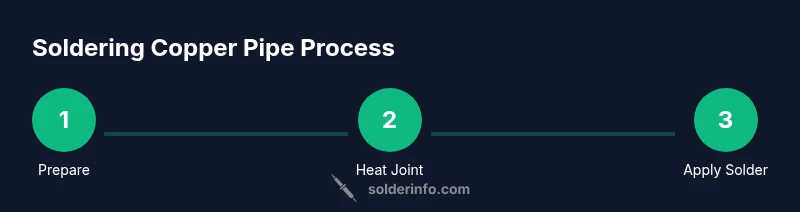
With a properly set up butane torch, you can solder copper pipe sections for plumbing projects. Ensure the area is well-ventilated, ground clamps, and use flux and lead-free solder rated for potable water. Clean and fit joints dry, heat evenly at the joint, and apply solder as the joint body reaches the right temperature. Practice on scrap pieces to avoid leaks in real installations.
Safety and planning for butane torch soldering
Safety and planning are the first steps when you attempt to solder copper pipe with a butane torch. Working with an open flame requires attention to ventilation, fire prevention, and personal protective gear. In many jurisdictions, plumbing work with torches requires a permit or inspection, so check local codes before you begin. Always have a fire extinguisher, a bucket of water, and a metal guard or heat shield within reach. Soldering copper pipe produces heat that can damage nearby fittings or ignite insulation if not controlled. The SolderInfo team emphasizes careful planning: measure lengths precisely, select compatible fittings, and keep the workspace organized to avoid accidental burns. Use a flame with a steady, adjustable heat so you can target the joint without overheating the pipe. When you practice this technique, start on scrap pieces to build confidence and master the timing of solder flow. Finally, verify that your area is well-ventilated to avoid fumes from flux and solder.
Tools, materials and why they matter
Selecting the right tools and materials sets the foundation for a clean, leak-free joint. For butane torch soldering copper pipe, you’ll want a reliable, adjustable flame that you can fine-tune from a soft blue to a hotter red. A small propane torch can be used for larger jobs, but a user-friendly butane torch is preferred for plumbing work because of its portability and quick control. In addition to the torch, gather a copper pipe cutter, a deburring tool, 80- or 120-grit sandpaper, and an old rag for cleaning. Flux is essential to prevent oxidation and help solder flow; rosin-based flux is common for plumbing, but consult manufacturer guidelines for potable-water use. Choose a lead-free solder appropriate for drinking-water lines; some products contain a tin/antimony blend or other compliant alloys. Fittings should be compatible with copper pipe sizes and the connector type (sweat, compression, or push-fit). A heat shield or clamp can protect insulation and nearby materials; a damp cloth helps cool joints gradually. Finally, safety gear such as eye protection, gloves, and a properly fitted respirator or mask will reduce exposure to flux fumes.
Surface prep and joint fit-up
Surface preparation determines whether the solder will bond evenly and form a watertight seal. Start by cutting copper pipe square with a sharp tube cutter to avoid crimping the end. Deburr the inside and outside edges with a deburring tool until they’re smooth; sharp burrs trap flux and create weak joints. Clean the pipe and fittings with a dry rag, then lightly abrade the contact surfaces so the flux adheres well. Apply flux to both the pipe end and the fitting’s interior, coating a thin, even layer. For threaded or push-fit joints, dry-fit first to ensure the parts align and leave room for the solder to wick. If you’re joining several segments, plan your layout to minimize long, unsupported runs, which can stress joints under pressure. As you assemble, keep the joint clean and avoid touching the fluxed surfaces with bare hands. Soldering copper pipe requires that the pipe be fully inserted into the fitting before heating to prevent pull-out. Finally, if temperature changes or bending are involved, support the pipe with clamps to maintain alignment until the joint cools.
Heating technique and solder flow control
Heating technique is the core skill in achieving a strong copper pipe joint with a butane torch. Start by warming the barrel of the fitting, then move the flame slowly around the joint, keeping the pipe temperature just below the flux’s activation point. The goal is to have the heat travel evenly through the joint so the solder wicks into the seam cleanly. Do not directly melt the solder from the roll onto the joint; instead, bring the joint to temperature and feed the solder into the path of the heat. Use a damp cloth to shield nearby insulation or wood from radiant heat and to slow cooling once you’ve achieved proper flow. If the flux burns or turns black, pause and reapply flux and re-clean the surface; burnt flux can impede solder flow and create voids. For larger-diameter copper pipe, you may need a longer heating cycle and a slightly larger flame while avoiding overheating the surrounding areas. After you see solder visibly flowing into the seam and covering the joint smoothly, withdraw the flame and allow the joint to cool undisturbed for a minute or two before testing.
Different fittings and joint types for copper pipe
Copper pipe joints come in several common configurations, and knowing when to use each helps you plan faster and reduces setbacks. Sweat joints require flux and solder to join the pipe directly to a copper fitting; they’re strong and affordable for most residential plumbing. Compression fittings use a ring and nut to seal without relying solely on solder, which can be helpful for overseas travels or temporary installations. Push-fit fittings, such as those with a pull-to-connect mechanism, simplify assembly when pipe spaces are tight or rework is likely. For small-diameter pipes, straight runs of solder tend to be more forgiving, while long runs benefit from additional support and careful heat management to prevent joint failure. When working with copper pipe, ensure that the outside of the pipe is clean and free of oils or heat inhibitors that might hinder solder flow. Remember to test each joint under low pressure after cooling; a small leak is easier to locate with a soap bubble test or visual inspection. Finally, maintain consistent heat control across all joints to ensure uniform solder flow and reliable seals.
Troubleshooting common issues
Even with careful prep, you may encounter issues during copper pipe soldering. If solder won’t flow into the joint, recheck that the joint is fully heated and that flux is still active; reapply flux and reheat as needed. If you see a gap or cold joint, reheat slowly and apply additional solder along the seam. Air pockets or voids in a joint indicate insufficient heat transfer or improper flux coverage; rework may be necessary. For leaks at high-pressure sections, inspect the male and female fittings for alignment and replace o-rings or ferrules if required. Overheating can anneal the copper, causing soft joints that deform under pressure; cool and re-clean then re-solder with gentler heat. Corrosion or discoloration around the joint can signal oxidation; clean the area and reapply flux. Finally, if the pipe moves due to vibration or supports, add clamps or supports to guard the joint against fatigue over time.
Finishing: testing, cooling, and code considerations
Finish the job by checking for leaks and ensuring the joint is fully cooled before pressure testing. Wipe away any residual flux with a damp cloth and inspect the seam from multiple angles under good lighting. A successful joint should appear smooth and uniform, with no darkened or bubbled areas. Conduct a gentle pressure test according to local codes; never skip this step, as unseen leaks can cause water damage. If a leak is detected, reheat the joint, add solder, and re-test after cooling. For potable-water applications, ensure all materials are certified for drinking water and avoid lead-based solders. Keep the workstation clear of flammable materials, and store the torch and fuel in a secured, ventilated area. The SolderInfo team emphasizes ongoing practice: periodically rehearse these steps on scrap pieces and review safety protocols before starting a real project. With proper technique and attention to detail, a well-executed butane torch solder copper pipe joint will provide a lasting, leak-free connection.
Tools & Materials
- Butane torch with adjustable flame(Gas-control knob, sturdier base preferred)
- Butane fuel canisters(Keep spares on hand)
- Copper pipe cutter(Cuts square for best fit)
- Deburring tool(Smooth both ends)
- Sandpaper or steel wool(Fine grit, clean surface)
- Flux suitable for plumbing(Rosin-based flux is common)
- Lead-free solder for potable water(Check for certification)
- Heat shield or clamps(Protect nearby materials)
- Rag or towel(Clean and wipe flux)
- Safety gear (gloves, glasses)(Eye protection is essential)
Steps
Estimated time: 60-90 minutes
- 1
Measure and cut pipe
Accurately measure the required length and cut the copper pipe square using a sharp cutter. Avoid angled edges that compromise joint fit. Deburr immediately after cutting to remove sharp edges.
Tip: Always cut slightly longer and trim for a perfect fit. - 2
Deburr and clean ends
Remove burrs from both cut ends with a deburring tool and clean the surfaces with a dry rag. A clean, smooth surface ensures flux adheres evenly and solder flows properly.
Tip: A clean surface reduces chances of leaks. - 3
Apply flux
Coat the pipe end and interior of the fitting with a thin, even layer of flux. Flux prevents oxidation and guides the solder into the joint as you heat.
Tip: Do not overflux; excess flux can cause residue. - 4
Dry-fit the joint
Assemble the joint without solder to verify alignment and fitment. Confirm there’s space for solder to wick and adjust if needed.
Tip: Use markers to label orientation for complex runs. - 5
Heat the joint
Aim the flame at the joint, not the pipe alone, and move in slow, even circles. Heat until the flux sizzles and the seam shines, indicating flow readiness.
Tip: Keep heat away from insulation and nearby materials. - 6
Apply solder
Feed solder into the seam at the hottest point of the joint as heat continues. Remove flame once the seam fully fills and flows, then allow to cool.
Tip: Do not oversolder; excess solder can create floods. - 7
Cool and inspect
Let the joint cool naturally, then wipe away flux and inspect for smoothness and uniform coverage. Check for gaps and retest if needed.
Tip: Cool slowly to avoid thermal shock. - 8
Pressure test
Test the completed joint per local code requirements using appropriate pressure or water tests. Look for leaks and rework if necessary.
Tip: Document results for future maintenance.
Quick Answers
Can I use a butane torch for all copper pipe sizes?
A butane torch is suitable for typical residential copper piping, especially small to medium diameters. For very large-diameter runs, you may need larger equipment or staged heating. Always follow manufacturer safety recommendations and local plumbing codes.
Yes, for most home projects a butane torch works well, but larger pipes may require more heat or different equipment.
Is flux required for copper pipe soldering?
Flux is essential to prevent oxidation and to help solder flow into the joint. It improves adhesion and reduces the risk of porosity in the joint.
Yes. Flux is necessary to ensure a clean, strong joint.
What safety gear should I wear?
Wear safety glasses, heat-resistant gloves, and a breathable respirator or mask if you are sensitive to flux fumes. Ensure your workspace has adequate ventilation and no flammable materials nearby.
Wear eye protection and gloves, and ventilate the area.
Can I reuse old joints or repair a leaking joint?
Leaking joints typically require rework: clean, flux, reheat, and re-solder. For safety, replace any worn components and test after reassembly.
Usually you’ll need to redo the joint and test again.
What is the best practice for testing a new copper joint?
Use a pressure or leak test per local code, visually inspect the seam after cooling, and check for moisture or staining around the joint. Do not rely on sight alone; perform a functional test.
Test the joint per code and inspect closely for leaks.
Should I anneal copper before soldering large runs?
Copper annealing is not typically required for plumbing joints; focus on proper heat transfer and support. If you notice work-hardening or difficulty in solder flow, adjust heat and joint preparation.
Not usually needed, focus on heat control and prep.
Watch Video
Top Takeaways
- Prepare joints thoroughly before heating
- Heat joints evenly; don’t direct heat at solder alone
- Use flux and lead-free solder approved for potable water
- Inspect joints with a pressure test after cooling
- Practice on scrap to refine technique