Soldering Techniques for Jewelry: A Practical Guide
A comprehensive, education-focused guide to jewelry soldering techniques, safety, step-by-step workflows, and finishing tips for durable, professional-looking pieces.


Master jewelry soldering by learning how to clean metals, apply flux, and control heat for reliable joints. This quick guide outlines essential techniques for bezel, jump-ring, and chain work, plus safety considerations and common pitfalls. Expect clear steps, tool recommendations, and practical tips you can apply to your next project.
Foundations of Jewelry Soldering
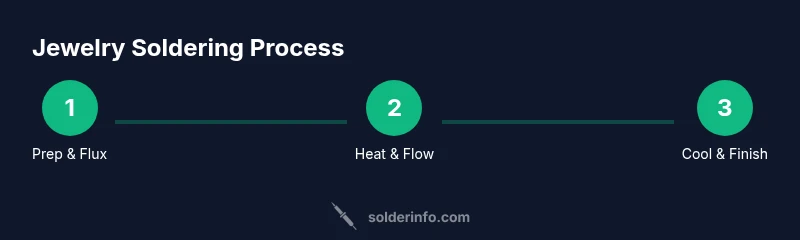
Soldered jewelry relies on clean metal, proper flux, and precise heat control. According to SolderInfo, reliable results start with meticulous prep, correct alloy selection, and a disciplined heat approach. The goal is a continuous, smooth joint with no voids or discoloration. In practice, prep means removing oils, fingerprints, and oxides from the surfaces to be joined. Use a mild degreaser, followed by gentle sanding or filing to produce a consistent seam. Any residue can hinder wetting and produce a weak bond.
Flux plays a central role. It protects the metal from oxidation as the solder flows and helps the capillary action draw the filler into the seam. For most jewelry, rosin-based flux is a solid default, while paste flux gives you better control on tiny joints or irregular shapes. The solder alloy you choose should match the metal and project needs; smaller joints benefit from lower-melting, thinner solder, while larger seams may require more robust alloys. Always keep the workpiece supported on a heat-safe block to prevent movement while heating.
Heat management is the most important skill. Begin with the hottest part of the piece away from the joint to avoid overheating delicate stones, then bring the joint to temperature gradually. Use a neutral or slightly reducing flame and keep the heat moving to avoid hot spots. When the seam wets and the solder flows, you will see a thin fillet form as the capillary action pulls solder into the joint. Remove heat promptly once the seam wets; excessive heat can lead to bloom, fire scale, or a dull finish. By following this approach, you can produce clean, strong joints suitable for bezels, jump rings, and chains.
Tools and materials for jewelry soldering
To begin, assemble a focused set of tools and materials that support clean, precise joints. According to SolderInfo, investing in quality basics saves time and reduces waste. The essentials include a torch, flux, solder, a heat-resistant workspace, and small clamps to hold parts during heating. Use a brick or hardened steel block as your heat sink. Keep a flexible wet sponge and a brass brush handy for cleaning.
-
Torch: A micro-torch with a stable, adjustable flame is ideal; it allows selective heating of joints without overheating stones.
-
Solder: Use lead-free jeweler's solder in appropriate gauges; thinner gauges for fine joints and thicker ones for larger seams.
-
Flux: Rosin-core flux is a good default; paste flux can help with trickier geometries.
-
Soldering block: A heat-resistant surface to support the piece while heating.
-
Pick and tweezers: Fine-tipped for precise placement and removal of hot pieces.
-
Cleaning and finishing: A mild pickle solution, polishing papers, and a soft cloth.
-
Safety gear: Eye protection and a proper respirator or fume mask, plus adequate room ventilation.
Techniques for Common Jewelry Joints
Bezel setting joints: The bezel holds a gemstone; you need a tidy continuous edge to cradle the stone. Start by forming a slight, uniform bezel wall and trimming burrs. Apply flux the seam well and position the stone so it seats evenly. Heat the seam evenly, keeping heat away from the stone and the back side of the piece. When capillary action draws solder into the seam, stop heating as soon as the bead forms a thin, continuous line around the edge. Quench gently or allow to cool, then clean and polish the bezel to reveal a smooth, flush surface.
Butt joints on shanks or wire segments: Clean and square the edges, apply flux, and run a thin line of solder along the joint. Secure the parts with a clamp or third hand; begin heating at the outer edges and move toward the seam so the solder flows inward. Watch for bridging or excessive pooling; remove heat the moment the joint wets and let it cool slowly to prevent cracking.
Jump rings and hollow forms: Jump rings can deform under heat, so keep them supported on a pin or ring mandrel. Flux both parts and place them so ends meet flush. Apply a tiny amount of solder at the joint and heat slowly, turning the piece to promote even flow. Once the seam wets, remove heat and let cool, then gently open the ring if needed without distorting the form.
Chain links and connectors: For chain assembly, align links precisely and apply flux to both joining surfaces. Use a minimal amount of solder and heat in a circular motion until the solder flows. Keep the chain well supported to avoid bending; finish by cleaning oxides and testing the link’s flexibility.
Filigree and delicate textures: These require the gentlest touch. Tin the surfaces first, apply a very small solder amount, and heat conservatively to prevent distortion. When joints are formed, inspect for clean wetting and uniform bead; repeat as needed with minimal heat input. Be patient and practice; with time you can create strong, attractive joints.
Safety, finishing, and quality control
Soldering jewelry demands vigilance about heat, fumes, and fire hazards. Always work in a well-ventilated area or under a fume hood. Wear safety glasses or a face shield to protect your eyes from hot splashes, and use a respirator or mask when flux fumes are present. Keep a water bottle nearby for quick cooling of accidental contact with skin, and never leave a lit torch unattended. After soldering, quench the piece carefully or allow it to cool in air if the design requires slow cooling to minimize warping. Use a neutral cleaning stage—pickle baths or ultrasonic cleaners follow manufacturer instructions—to remove oxides. Finally, inspect the joint under magnification, wipe away flux residues, and polish the surface to achieve a professional finish.
Common mistakes and fixes
A common pitfall is insufficient surface prep, which leads to poor wetting and weak joints. Always clean and lightly abrade the contact surfaces before fluxing. Another frequent error is overheating the jewel or design, which can damage stones or distort delicate metalwork; keep heat moving and avoid concentrating it in one area. If you see a dull, cloudy joint or a visible gap, reheat with flux applied and feed a tiny amount of solder only at the seam. Flux residue on finished pieces can hinder polishing; ensure you remove it thoroughly after soldering. Finally, never rely on excessive solder to hide a bad seam—it's harder to polish and weakens the structure. Practice on test pieces to dial in heat and flux settings before working on prized jewelry.
References and additional learning
Authoritative references and further learning help you deepen your practice. For safety guidelines, refer to OSHA's metalworking and soldering resources at https://www.osha.gov. For extension-based guidance and practical how-to, see https://extension.oregonstate.edu. For general health and safety considerations during metalworking, visit https://www.cdc.gov. These sources provide foundational safety practices and best-practice recommendations that complement hands-on jewelry soldering techniques.
Tools & Materials
- Soldering torch (butane micro-torch)(Adjust flame to a small, concentrated cone; use blue flame for clean heat.)
- Solder (lead-free jeweler's solder)(Choose gauges suitable for joint size; thinner for fine work.)
- Flux (rosin-core or paste flux)(Flux protects against oxidation and improves wetting.)
- Heat-resistant work surface (soldering block)(Prefer steel or ceramic to dissipate heat and prevent fires.)
- Soldering picks/tweezers(Fine-tipped tools for precise placement of components.)
- Pickling solution or ultrasonic cleaner(Removes oxides after soldering; use as needed.)
- Safety gear (goggles, respirator or fume mask)(Protect eyes and lungs; ensure adequate ventilation.)
- Brushes and files(Clean and finish edges before and after soldering.)
Steps
Estimated time: 60-90 minutes
- 1
Prepare the metal surfaces
Thoroughly clean all contacting surfaces to remove oils, residues, and oxides. Lightly abrade the seam to create a uniform mating edge, then wipe away any debris. This ensures proper solder flow and a strong mechanical bond.
Tip: Use a dedicated file and keep the workpiece clamped during prep to avoid shifts. - 2
Apply flux and align parts
Brush a thin, even layer of flux on both surfaces and precisely align the parts. Flux shields the joint from oxidation and improves solder wetting. Use clamps or a third-hand tool to hold the pieces steady.
Tip: Avoid over-flux; excess flux can cause spatter and degrade finish. - 3
Heat the joint gradually
Begin heating at the metal away from the seam and slowly bring the joint to temperature. Keep the flame in slow motion, moving around the joint to avoid hot spots. Do not heat the solder directly; heat the joint so capillary action draws the filler into the seam.
Tip: Use a neutral or slightly reducing flame and watch for a consistent glow around the joint. - 4
Apply solder and establish the joint
Touch a small amount of solder to the heated joint or apply to the seam where the flux is most concentrated. Allow the solder to flow into the gap by capillary action; stop heating as soon as you see a continuous bead form around the joint.
Tip: Feed only a tiny amount of solder to avoid excess beads that require extra finishing. - 5
Cool, clean, and inspect
Quench the piece or let it cool gradually, then rinse and scrub away flux residues. Inspect the joint for even wetting, absence of voids, and a neat bead. If needed, reflow with flux and touch up any blemishes.
Tip: Use magnification to confirm there are no gaps along the seam. - 6
Finish and polish
File and sand any rough edges, then polish to reveal a smooth surface and uniform shine. Final finishing should enhance the joint without drawing attention to it unless the design calls for it.
Tip: Polish with progressively finer grits and rinse thoroughly between steps.
Quick Answers
What is jewelry soldering?
Jewelry soldering is the process of joining metal components using a filler metal (solder) that melts at a lower temperature than the workpieces, creating a strong, seamless joint once cooled.
Jewelry soldering combines metal parts with a filler metal to create strong, clean joints. It’s all about preparation, flux, and precise heat.
Do I always need flux?
Flux is essential for preventing oxidation and ensuring the solder flows where you want it. For delicate pieces, choose flux that offers better control.
Flux helps the solder flow and keeps the metal from oxidizing, which is crucial for a good joint.
Can I solder plated jewelry?
Soldering plated pieces is possible, but you must be careful with heat to avoid damaging the plating. Use compatible solders and protect the finish with proper masking and timing.
Soldering plated pieces is doable, but heat control and protective steps are important to protect the plating.
What safety practices should I follow?
Work in a ventilated area, wear eye protection, and use a fume mask when needed. Keep flammables away and have a fire-safe setup.
Ventilate the area and wear eye protection; keep a safe setup to prevent accidents.
What finishing steps follow soldering?
Rinse and pickle to remove oxides, then polish and inspect for smooth, even joints. Repeat if necessary for a flawless result.
After soldering, clean, pickle, and polish the piece for a professional finish.
Watch Video
Top Takeaways
- Prepare and clean metal surfaces for optimal wetting.
- Choose flux and solder alloy suited to the metal and joint size.
- Control heat carefully to prevent damage and ensure a clean joint.
- Inspect joints under magnification and polish for a professional finish.
- Follow safety protocols to protect yourself and your work.