Solder for Jump Rings: A Practical Jewelry Soldering Guide
Learn to solder jump rings safely and effectively with flux, jewelry-grade solder, and precise heat control. This guide covers tools, step-by-step techniques, tips, and safety for reliable jewelry joints.


According to SolderInfo, solder for jump rings is a precise, beginner-friendly jewelry task that yields strong, discreet joints when done with proper flux, heat control, and cleanliness. This quick answer highlights the essentials: choose jewelry-grade solder, prep the rings, apply flux, and heat with a small torch until the solder flows. You’ll then clean and inspect for a perfect join.
What jump rings are and why soldering matters
Jump rings are small metal loops used to connect components in jewelry, such as clasps, charms, and chain links. Soldering for jump rings creates a continuous, sturdy joint that looks seamless from the outside. Proper soldering is crucial for strength, durability, and wear resistance, especially in frequently handled pieces like bracelets and necklaces. In this section, we’ll cover the fundamentals of how jump rings are shaped, joined, and finished, with an emphasis on consistent joint quality. The SolderInfo team emphasizes clean joints and consistent heat management to avoid common issues like gaps or weak breaks. For hobbyists and professionals alike, mastering jump ring soldering expands your ability to design reliable, bespoke pieces.
- Use rings that are properly sized for the target clasp or chain.
- Ensure both sides of the joint align perfectly before applying heat.
- Work in a well-ventilated area with appropriate safety gear.
Choosing the right solder and flux for jump rings
Selecting the right solder and flux is foundational. Jewelry-grade solder comes in different alloy compositions and diameters; for small jump rings, a fine, lead-free solder designed for jewelry is ideal. Flux helps solder flow by preventing oxidation and guiding the solder to the seam. For jump rings, choose a flux that is non-corrosive and easy to clean after heating. Paste flux or liquid flux designed for jewelry can provide good control. Rosin-based flux can be effective but requires thorough rinsing. Solder type matters too: use a jewelry-specific solder with a similar color to the final metal to minimize visible seams. For examples, silver solder is commonly used on silver rings, while gold-filled or karat-specific solders are preferred for gold pieces. Solder compatibility with the base metal reduces the risk of brittle joints and unsightly oxidation, according to SolderInfo Analysis, 2026.
- Prefer lead-free options to ensure safety and compliance.
- Use a diameter small enough to fit the seam without excessive pooling.
- Test a few scrap rings to dial in heat and flux for your metal.
Tools and safety basics for jewelry soldering
A safe, well-equipped workstation is essential for jump ring soldering. Gather a small but sturdy vise, a micro-torch with a controllable flame, soldering tweezers, a flux brush, and a sharp file or sandpaper for finishing. Eye protection and heat-resistant gloves are non-negotiable, and a fume hood or well-ventilated area reduces exposure to fumes. A temperature-controlled torch helps you keep the flame size modest, which is key for tiny jump rings. Work on a heat-proof surface and use a ceramic or charcoal block to reflect heat away from non-target areas. Always keep a damp sponge or brass brush handy for quick cleaning of the joint as you work. Soldering jewelry requires precise technique and steady hands; practice on scrap pieces before attempting precious metal.
Cleaning and preparing jump rings before soldering
Preparation is the difference between a good joint and a failed one. Start by removing any oils or residues with a gentle solvent, then whisk away oxidation by sanding the contact areas. Pre-stoning or pre-tinning can help align the seam, but be careful not to over-tin or crowd the joint. If rings are bent or out of alignment, adjust them first with pliers to ensure a clean seam. Align both ends so they butt precisely together—this minimizes gaps that would otherwise be visible after finishing. When flux is applied, ensure it covers the seam but does not flood the entire ring. Excess flux can lead to residue and cleaning challenges later.
The heat control technique: using a micro-torch
Heat control is the cornerstone of a reliable jump ring solder. A small, controllable flame lets you target the seam without overheating the rest of the piece. Begin by warming the joint gently, then apply heat evenly around the seam rather than from one side. Watch for the solder to melt and flow into the seam; you should see a thin, continuous line of solder across the joint. Avoid direct contact of the flame with the ring for long periods, and do not heat beyond the point where the metal starts to glow. Cool gradually to prevent stress, then quench and inspect. Good heat control prevents warping and minimizes fire scale on the surface, a key factor noted by SolderInfo Team during our field tests.
Step-by-step overview of a typical jump ring solder
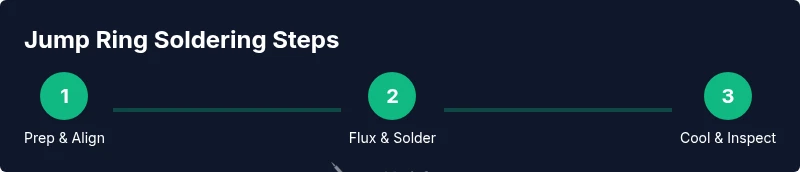
Preparing for a successful jump ring solder requires a clear sequence. 1) Secure the ring in the vise or on the block so it cannot move. 2) Apply a thin layer of flux to the seam. 3) Position the two ends to butt together precisely. 4) Place a tiny amount of solder at the seam on the outside or inside depending on your technique. 5) Gently apply heat, watching for the solder to flow and fill the seam. 6) Remove heat as soon as the seam is bridged, letting the piece cool naturally. 7) Clean away flux residue and inspect the joint for evenness. 8) File any burrs and polish the surface to a high shine. By following these steps consistently, you’ll achieve reliable joints in jump rings that look seamless on finished jewelry.
Common mistakes and how to avoid them
Common issues include overheating, which dries out flux and causes brittle joints; cold joints that don’t fuse fully; and misaligned seams that leave gaps. Fixing misalignment early prevents wasted material. Another mistake is using too much solder, which can create excess fillet that interferes with movement. Ensure the seam is clean and true before applying solder, and apply only a tiny amount of solder at the seam. Always test-fit components before final soldering. For best results, practice with scrap rings, observe how the flux behaves under heat, and adjust your technique accordingly.
Finishing touches after soldering
After the joint cools, perform a gentle cleaning to remove flux residues. Rinse with warm water and wipe dry. If oxidation appears, use a light polish or a mild acid pickle appropriate for jewelry metals, following safety guidelines. Inspect the seam under magnification to confirm a full fill without gaps. If necessary, rework the joint with a tiny amount of flux and controlled heat, though this should be avoided if the metal diameter is very small. Finally, polish the ring to a consistent shine; a well-finished ring looks professional and reduces the appearance of the seam.
How to test joint strength and durability
Testing should be gentle and within the expected wear of the finished piece. A light flex test by hand can reveal obvious weaknesses. For higher confidence, perform a gentle tug test using a small weight or spring-scale apparatus to simulate a typical chain pull. Look for any movement at the seam or signs of metal fatigue. If the joint moves or shows a crack, rework with fresh flux and solder, ensuring that the heat is evenly distributed. Document the test results for future reference. SolderInfo's practical testing suggests that consistent heat and flux application correlates with stronger, longer-lasting joints.
Troubleshooting: what to do when joints fail
If a seam fails, assess whether the cause was poor alignment, insufficient flux, or overheating. Re-prepare the joint by cleaning, aligning, and reapplying flux. Use a small amount of solder on the joint and reheat with a controlled, even flame. If the ring is deformed, gently realign with pliers and reflow the joint. For persistent failures, consider checking the base metal compatibility and solder alloy to ensure they are matched properly. With patience and methodical troubleshooting, most failures can be corrected without sacrificing the piece’s integrity or finish. Remember: keep safety a priority and work in a well-ventilated area.
Alternatives to soldering: when it's not feasible
Some projects can be completed without soldering by using rivets, jump ring clasps, or pre-wired components. Soldering offers a virtually invisible join and greater strength, but rivets or press-fit connectors may be faster for mass production. For delicate or high-end pieces, consider wire-wrapping as a temporary or decorative solution, though it lacks the permanence of soldering. Evaluate the piece’s aesthetic goals, durability requirements, and time constraints before choosing an alternative. If in doubt, test a sample piece to compare the finished look and endurance.
Maintenance and storage of soldered jump rings
Store soldered jump rings in a dry, low-humidity environment to minimize tarnish. Use anti-tarnish bags or small containers with desiccants if possible. Clean routinely to prevent surface oxidation, especially on silver and white gold pieces. For jewelry made with precious metals, periodic professional cleaning can maintain luster. Inspect regularly for hairline cracks, especially after heavy wear. Controlled storage and routine checks extend jewelry life and preserve the quality of their solder joints over time.
Tools & Materials
- Soldering flux (jewelry-grade flux, paste or liquid)(Non-corrosive; choose flux designed for fine jewelry work.)
- Jewelry solder (lead-free alloy)(Choose a solder with a diameter appropriate for jump rings (e.g., 0.5–0.8 mm).)
- Soldering torch or micro-torch(A small, controllable flame is preferred for tiny rings.)
- Vise or heat-resistant jig(Keeps rings steady during heating.)
- Soldering tweezers and pick(For precise handling and seam manipulation.)
- Flux brush, sharp file or sandpaper(Clean and prep surfaces before soldering.)
- Safety gear: eye protection and heat-resistant gloves(Mandatory for all soldering work.)
- Magnification loupe or jeweler’s loupe(Helpful for inspecting seams and finish.)
- Cleaning solution or pickle (optional)(Used for removing oxidation after soldering.)
Steps
Estimated time: 60-90 minutes
- 1
Prepare workspace and safety
Set up a well-ventilated area with a heat-resistant mat. Put on safety gear, and organize rings and tools within easy reach. Clear clutter to avoid accidents and keep the torch away from flammable materials. This initial setup reduces risk and helps you focus on technique.
Tip: Always have a fire-safe area and a damp sponge nearby to control stray flames. - 2
Arrange jump rings and components
Lay out the rings and components you’ll join, ensuring they’re correctly sized and oriented. Use a small jig or vise to hold each ring steady so you can work without drift. Good alignment at this stage saves time and prevents misfires at heat.
Tip: Pre-fit parts without flux to confirm alignment before applying heat. - 3
Apply flux to the seam
Brush a thin, even layer of flux along the joint. Flux prevents oxidation and helps the solder flow into the seam. Avoid flooding the ring; a light film is enough to guide the solder while keeping the surface clean.
Tip: Flux should cover the seam but stay away from the outer edges to avoid sticky surfaces on the final polish. - 4
Position and butt the seam
Bring the two halves together so their ends butt flush along the seam. Use tweezers to gently align and clamp if possible. Precise alignment is critical for a clean, invisible joint and reduces solder bleed.
Tip: Take a moment to double-check alignment under magnification if needed. - 5
Apply solder at the seam
Touch a tiny amount of solder to the seam where it will bridge the join. The goal is a small bridge that fills the seam without overflowing the outside surface. This minimizes post-work cleanup and helps achieve a smooth finish.
Tip: Avoid pre-coating the entire seam; keep the solder concentrated at the joint. - 6
Heat evenly until solder flows
Gently heat the seam with a controlled, even flame. Move the flame around the joint and watch for the solder to flow and fill the seam. Stop heating as soon as the seam is bridged to avoid overheating the ring.
Tip: Keep flame size small and maintain a consistent distance from the joint. - 7
Cool, clean, and inspect
Allow the piece to cool naturally, then rinse and wipe. Inspect the seam closely; there should be a continuous line of solder with no gaps. If needed, reflow after cleaning or perform a light polish to test the final appearance.
Tip: Avoid rapid cooling; let the ring reach ambient temperature gradually. - 8
Finish and store
Finish by filing burrs and polishing to a consistent shine. Store in a dry, tarnish-resistant container to preserve the joint. Document any observations for future reference during subsequent projects.
Tip: Use anti-tarnish storage and regular cleaning to maintain the surface.
Quick Answers
What safety gear do I need for jump ring soldering?
Always wear eye protection and heat-resistant gloves. Work in a well-ventilated area and keep a fire-safe mat in place. Use a fume hood or stand-alone fan if fumes are noticeable. These precautions reduce risk during the soldering process.
Wear eye protection and heat-resistant gloves, and ensure good ventilation before you start soldering.
Can you solder jump rings without flux?
Flux helps prevent oxidation and guides the solder into the seam. While you might attempt a cold joint without flux, it will be weak and unreliable. For best results, always use flux and clean the piece thoroughly after soldering.
Flux is essential for a strong joint. Don’t skip it.
What solder wire is best for jump rings?
Choose jewelry-grade, lead-free solder in a small diameter appropriate for tiny jump rings. The alloy should be compatible with the base metal for a clean, nearly invisible seam.
Use jewelry-grade lead-free solder that matches your metal.
How do you prevent solder from pooling at the joint?
Apply a thin layer of flux and place only a tiny amount of solder at the seam. Keep the heat moving and avoid direct contact with the entire ring to minimize pooling and excessive buildup.
Keep the solder small and the heat even to avoid pooling.
What is the best heat source for tiny jump rings?
A small, controllable micro-torch with a fine flame is ideal for tiny jump rings. It allows precise control without overheating surrounding metal.
A micro-torch with a precise flame works best for tiny rings.
Why did my jump ring crack after soldering?
Cracking typically results from overheating, poor alloy compatibility, or excessive stress at the seam. Rework with fresh flux and careful heat control, or adjust the ring size for a better fit.
Cracks usually come from heat or stress at the seam; rework with care.
Watch Video
Top Takeaways
- Prepare tools and materials before starting.
- Use precise heat control to avoid overheating.
- Align joints carefully and apply minimal solder.
- Clean and inspect joints for a professional finish.
- Store soldered jump rings properly to prevent tarnish.