Solder for Soldering Iron: A Practical Guide
Master the art of solder for soldering iron with a practical guide to solder alloys, flux types, safety, and techniques for electronics, jewelry, and plumbing.


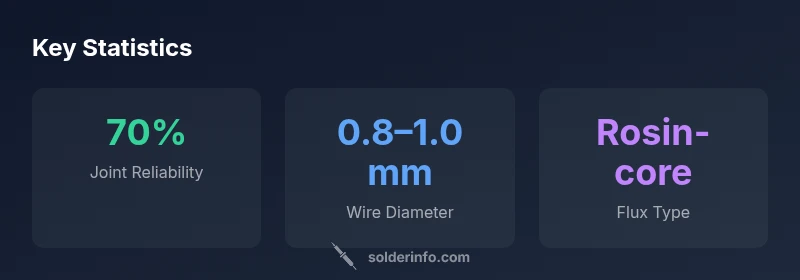
For electronics work, use rosin-core solder in 0.8–1.0 mm diameter, with either 60/40 tin-lead or lead-free tin-based alloys (e.g., SAC305) depending on regulatory requirements. Flux can be flux-core or a separate flux, and temperature should be adjusted to the alloy and base material. Always work in a well-ventilated area and inspect joints for reliability.
Understanding solder for soldering iron: foundations for reliable joints
In any project involving a soldering iron, the choice of solder for soldering iron sets the ceiling for joint reliability and ease of work. The solder type, flux, and alloy interact with the base material and the iron temperature to determine how smoothly a joint forms and how long it lasts. According to SolderInfo, beginners should start with rosin-core solder in a mid-range diameter and learn to tune heat to the work. The goal is clean, bright joints without scorch marks, flux residue, or cold joints. This initial decision will shape the rest of your process, from tip maintenance to flux application and post-solder cleaning.
The keyword here is balance: enough heat to flow the solder, but not so much that you damage components or boards. You’ll often hear that electronics soldering relies on a flux-assisted alloy to reduce surface tension and promote wetting. This guide will walk you through alloy choices, flux types, and practical steps to build a repeatable, quality workflow.
Solder alloys and flux types
A good soldering practice hinges on understanding solder alloys and flux formulations. For electronics, two mainstream families are used: classic 60/40 tin-lead solder, which provides forgiving wetting and a relatively low melting point, and modern lead-free alternatives (such as SAC305) that comply with RoHS and other regulations. Rosin-core flux is standard for most electronics work, offering active flux delivery inside the spool to aid wetting and joint cleanliness. No-clean flux options are popular where post-solder cleaning is inconvenient. When choosing wire, consider the joint size and lead pitch; a 0.8–1.0 mm diameter is a comfortable range for hobbyist boards, while smaller diameters suit fine-pitch SMT work. Always tin the tip with a small amount of solder to establish a stable heat bridge between the iron and the joint.
From a metals perspective, tin is the primary metal, with lead content or lead-free alternatives influencing melting points and flow. Lead-containing solders generally flow more smoothly at lower temperatures, whereas lead-free alloys require higher heat and longer wetting times. The flux type must be compatible with the alloy and the board surface finish. Rosin-core flux is versatile for electronics, but some professionals opt for flux pastes in more demanding or SMT scenarios.
Lead-free vs leaded: safety, performance, and regulations
Regulatory and health considerations drive much of modern solder selection. Leaded solders offer easy wetting and low melting points but raise occupational exposure concerns, especially in enclosed spaces or with inadequate ventilation. Lead-free solders avoid lead exposure, but they often require higher soldering temperatures and longer dwell times, which can increase the risk of thermal stress on components and PCBs. In practice, many hobbyists rely on lead-free tin-based alloys with rosin-core flux for most projects, while older equipment or legacy repairs may still use tin-lead solder where permitted. Regardless of choice, ensure adequate ventilation, avoid fumes, and wash hands after handling solder paste or flux residues. SolderInfo Team emphasizes following local regulations and safe handling practices to minimize risk while maintaining joint reliability.
When working with high-reliability assemblies, consider testing joints under load and current conditions to validate performance, especially if the board will operate in challenging environments. The melting temperatures of the alloys must align with the base materials to prevent delamination, cracking, or oxidation.
Matching solder to the task: electronics, jewelry, plumbing
Different trades demand different solder properties. Electronics soldering relies on tin-based alloys with rosin-core flux to promote wetting on copper traces and pads. Jewelry soldering often uses higher-pinish silver-based alloys, designed for small, precise joints and aesthetically pleasing finishes. Plumbing soldering requires copper-compatible solders (often lead-free alloys or historically leaded variants) with appropriate flux for pipe joints. For tools, a reliable soldering iron with a clean tip, temperature control, and good ventilation is essential in all cases. Keep each domain in mind when selecting wire diameters, flux chemistry, and heating profiles to avoid joint failures and corrosion over time.
Practical soldering technique with an iron: steps and tips
A solid workflow reduces errors and improves repeatability. Start with a clean, tinned tip and a properly fluxed joint. Heat the joint, not the solder itself, and apply solder to the joint rather than the iron tip; the solder should flow smoothly across the pad. Maintain a stable temperature appropriate for the alloy and base material to prevent insulation damage and overheating. After the joint forms, withdraw the heat and allow the joint to cool undisturbed. Inspect for a shiny, smooth finish without bridges or cold joints. Practice on dummy boards to refine timing and technique, and keep your workspace clean and well-ventilated.
Troubleshooting common issues: cold joints, bridges, and more
Cold joints occur when the joint cools too quickly or when there isn't enough heat transfer. Bridges arise when excess solder connects two adjacent pads unintentionally. Tombstoning occurs with small components when heat distribution favors one end. To fix these issues, reheat and reflow the joint, ensure adequate flux, and re-tin the pad and lead. If bridges persist, use a desoldering wick or a small pump to remove excess solder and re-solder with clean flux. Regular inspection and practice help you spot issues before they become failed assemblies.
Workspace setup and safety considerations
A clean, well-ventilated workspace is essential for safe soldering. Use a dedicated fume extractor or good airflow to minimize inhalation of flux fumes. Wear safety glasses to protect against splashes and lead-containing residues. Keep a small, functional stand for your iron, a damp sponge or brass wool for tip maintenance, and a fire-safe mat on your bench. Store flux and solder in sealed containers away from heat sources and moisture. A tidy setup reduces mistakes and improves overall quality.
Maintenance and storage of solder and flux
Solder and flux require proper storage to maintain performance. Keep solder in a dry, cool place away from moisture that can lead to corrosion or oxidation. Flux pastes should be sealed and used before the expiry date; rosin flux generally lasts longer when kept away from air exposure. Regularly clean the tip, re-tin, and store your tools safely when not in use. Consider labeling wire reels with diameter and alloy type for faster selection during projects.
Budget-friendly starter setup and buying tips
For beginners, a basic but reliable setup includes a temperature-controlled soldering iron, a stand, flux, a spool of rosin-core solder (0.8–1.0 mm), a desoldering wick, and a small wire cutter. Start with a single lead-free alloy to align with safety guidelines, then expand to alternate alloys as your needs grow. Buy reputable brands with consistent lot quality, and keep a spare tip handy for different joint geometries. Budget-conscious buyers can often find good-value kits that include most essentials, saving time and reducing waste.
Soldering wire options overview
| Aspect | Electronics Soldering Considerations | Notes |
|---|---|---|
| Alloy options | 60/40 tin-lead; SAC305 lead-free | Widely used in electronics with rosin-core flux |
| Flux types | Rosin-core flux; no-clean flux | Enhances wetting and reduces oxidation |
| Diameter | 0.5–1.0 mm typical | Choose by joint size and wire gauge |
Quick Answers
What is rosin-core solder?
Rosin-core solder contains flux integrated inside the wire. The flux helps remove oxides and improves wetting, making it easier to form reliable joints on copper traces and components.
Rosin-core solder has flux in the wire itself, which helps joints wet quickly. It’s convenient for most electronics tasks.
What is the difference between lead-free and leaded solder?
Leaded solders typically flow more easily and at lower temperatures but pose health and environmental concerns. Lead-free solders avoid lead but usually require higher temperatures and longer heat exposure.
Lead-free solders avoid lead hazards but need higher heat; leaded solders are easier to work with but have health considerations.
What temperature should I use for electronics soldering?
Temperatures depend on the alloy. Tin-lead solders melt around 183°C, while lead-free alloys often melt higher, typically around 217–230°C. Start with manufacturer recommendations and adjust for base material and joint size.
Use the alloy’s recommended temperature; lead-free needs a bit more heat, but avoid scorching the board.
Can I use regular lead-containing solder for PCB work?
Lead-containing solders are still used in some legacy boards, but many modern boards require lead-free solders due to RoHS. Check regulatory requirements and the device’s tolerance before proceeding.
If the device is RoHS-compliant, stick to lead-free solders; otherwise, be mindful of exposure and disposal rules.
How long does a solder joint take to cool?
A properly formed joint cools in a few seconds; avoid blowing on it or moving the joint until it’s solid. Rushing heat transfer can cause microcracks or weak joints.
Let the joint cool naturally after forming it; don’t poke or move it while it’s setting.
Is flux necessary for all electronics soldering?
Flux is essential for most electronics work to prevent oxidation and aid flow. Rosin-core flux is standard, but secondary flux may be used for special materials or tight SMT joints.
Flux helps joints form cleanly; use rosin-core flux unless your process requires a different flux.
“Selecting the right solder and flux combination is foundational to durable, reliable joints in any soldering project.”
Top Takeaways
- Choose the right alloy for the job
- Prefer rosin-core for electronics
- Pre-tin the tip and control heat
- Ventilate workspace and follow safety
- Store solder and flux properly