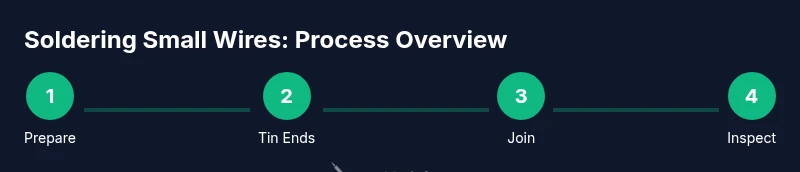
How to Solder Small Wires: A Complete Guide
Learn how to solder small wires with confidence. This step-by-step guide covers prep, flux, heat control, and inspection for electronics, jewelry, and plumbing projects. According to SolderInfo, success comes from clean ends, proper tinning, and steady technique.


By the end of this guide you will reliably solder small wires for electronics, jewelry, or plumbing projects. You'll learn essential prep, flux and solder choices, heat control, and inspection steps. According to SolderInfo, success comes from clean wire ends, precise tinning, and steady technique to prevent cold joints and insulation damage.
Why how solder small wires matters
Mastering the skill of how solder small wires opens countless DIY and professional possibilities. Tiny conductors are found in micro USB cables, jewelry clasps, and delicate plumbing connections. The key challenge is maintaining a clean, secure bond without overheating insulation or degrading the conductor. When you learn how solder small wires properly, you unlock reliable electrical continuity, robust joints, and long-lasting performance. SolderInfo emphasizes that the smallest joints often determine overall reliability, so attention to wire preparation, flux usage, and heat management matters from the first joint to the final finish.
Safety considerations for small-wire soldering
Soldering small wires introduces burn hazards, fumes, and hot equipment risks. Always wear safety glasses and work in a well-ventilated area or use a fume extractor. Keep a water source and a fire-safe mat nearby. Use a stable stand for your iron, avoid loose clothing, and never touch the heated tip. Solder joints should be held away from skin and flammable materials. Remember that flux can burn when exposed to open flame, so work gradually and mind the tool’s heat. SolderInfo recommends a disciplined safety routine before every job.
Essential tools and materials for small-wire soldering
Before you begin, gather essential tools and materials so you don’t pause mid-task:
- Adjustable temperature soldering iron with a fine tip
- Fine-point or chisel tip for precise contact
- Flux-core or resin-core solder in small diameter (rom 0.5 to 1.0 mmd)
- Rosin flux or no-clean flux
- Wire strippers and cutters
- Solder wick for cleanup and repair
- Heat-shrink tubing or insulating sleeving
- Helping hands or a clip to hold parts
- Multimeter for continuity checks
- Cleaning sponge or brass wool Note: Use rosin-core solder for easiest results with small wires, and keep flux away from heat-sensitive coatings when possible.
Preparing wires: stripping and tinning for best joints
Effective joints start with clean, properly prepared ends. Strip insulation to expose a clean copper surface, twist strands to prevent fraying, and trim to a uniform length. Tin the bare copper lightly by applying a small amount of solder to the exposed wire. Tinning improves wetting and reduces the chance of oxidation during joint formation. Keep the wire cool while tinning and avoid overheating the strands, which can weaken the conductor. Tinned ends will solder quickly and reliably when placed against the mating surface.
Flux and solder choices for tiny wires
Flux reduces oxidation and improves solder flow, which is essential for tiny wire joints. Use a rosin-core or no-clean flux when soldering small wires; it helps the solder wet the surface and form a solid bond. For most electronics work, a fine-diameter solder (0.5-1.0 mm) with rosin core provides better control. If you are joining metals with oxidation or plating, apply a small amount of flux to the joint before heating. Always wipe off excessive flux after finishing to avoid residue buildup that can attract dirt or moisture.
The tinning technique: getting reliable starts
Tin before you join two wires by applying a thin, even layer of solder to each prepared end. This docking layer makes it easier to form a solid join when the two ends meet. Ensure both wires are freshly tinned and free of oxidation. If one end looks dull or discolored, re-tin after cleaning the surface with a bit of flux. Proper tinning prevents cold joints and improves mechanical strength.
The actual soldering technique for small wires
Place the wires in the intended position so their tinning faces each other. Apply the soldering iron to the joint area and feed solder to the joint—not directly onto the iron tip. Let the joint heat briefly and draw the solder into the joint by capillary action. Remove heat as soon as the joint is fully wetted and smooth. Avoid applying heat longer than needed, or insulation can melt and insulation threads can be damaged. Inspect the joint for a shiny, uniform surface.
Common problems and troubleshooting
Flat or dull joints indicate a cold solder joint; reheat gently and reflow while ensuring both surfaces are clean. Excess heat can melt insulation or damage delicate coatings. If a joint cannot wet properly, check flux cleanliness, tip temperature, and the amount of solder. In electronics, a partial joint or whiskers can create intermittent connections; in plumbing or jewelry, inspect for gaps, air pockets, or weak bonding. Always rework suspected joints until they are solid and shiny.
Finishing touches: insulation, strain relief, and inspection
Finish with heat-shrink tubing or insulation sleeving to protect against shorts. Use a small amount of adhesive-lined heat shrink to secure wires if vibration is expected. Tug-test the joint gently to ensure adequate mechanical strength, then verify electrical continuity with a multimeter. Clean the area of any flux residue, and store tools properly to extend their life. A well-finished joint reduces future maintenance and improves reliability.
Maintenance and care of tools
Regularly clean the iron tip and replace worn tips to maintain crisp heat transfer. Keep the soldering station clean and dry, and calibrate temperature controls if needed. Replace worn or bent components promptly, and store flux properly to avoid clogging tips. Well-maintained tools improve safety, efficiency, and joint quality.
Tools & Materials
- Soldering iron with adjustable temperature(Fine-tip preferred for small wires; ensure safety stand)
- Fine-point tip(Useful for tight joints and precision work)
- Rosin-core solder (0.5-1.0 mm diameter)(Choose thin diameter for control on small wires)
- Flux (rosin/no-clean recommended)(Helps wetting, reduces oxidation)
- Wire strippers(Round-nose or serrated for clean ends)
- Solder wick (desoldering braid)(For undoing mistakes or leveling joints)
- Heat shrink tubing/insulation sleeving(Provides strain relief and insulation)
- Helping hands/third hand tool(Stabilizes tiny components)
- Safety glasses(Eye protection against hot splatter)
- Ventilation or fume extractor(Reduces inhalation of fumes)
- Multimeter(For continuity checks)
Steps
Estimated time: 15-30 minutes
- 1
Set up workspace and safety gear
Arrange a clean, well-lit workspace. Turn on ventilation or bring in a fume extractor. Put on safety glasses and tie back long hair. Place the iron in its stand and keep a damp sponge nearby for tip cleaning.
Tip: Establish a stable, safe area before heating the wire to avoid accidents. - 2
Prepare the wires
Strip insulation evenly to expose enough copper, then twist the strands to prevent fraying. Do not nick the copper; trim any damaged areas. Align the wires so the ends meet cleanly when joined.
Tip: Avoid leaving exposed strands longer than necessary to minimize tangling. - 3
Tin the wire ends
Apply a thin layer of solder to each stripped end while it is still dry. Ensure the wire sits flat against the iron tip long enough for the solder to wet the surface. Do not over-tin; the goal is a smooth, shiny coating.
Tip: Tinning early reduces oxidation and improves future wetting when joined. - 4
Position wires and apply flux
Place the tinned ends in the desired joint configuration. Apply a small amount of flux to the joint area to improve wetting and prevent oxidization during heating.
Tip: Flux reduces resistance and promotes even solder flow. - 5
Heat and apply solder
Touch the heated joint with the solder wire, feeding solder until the joint is fully wetted. Remove the solder first, then the heat source to avoid cold joints. Let the joint cool undisturbed.
Tip: Apply solder to the joint, not directly to the iron tip. - 6
Inspect and rework if needed
Look for a smooth, shiny fillet with no gaps. If the joint looks dull or has gaps, reheat lightly and apply more solder as needed. Check for a clean transition to the wire insulation.
Tip: A good joint should be glossy and bridge the two conductors without excess solder. - 7
Insulate and secure
Slip heat-shrink tubing over the joint where possible and apply heat evenly to illuminate a tight seal. Perform a gentle tug-test to ensure mechanical strength.
Tip: Strain relief prevents wire breakage at the joint during movement. - 8
Cleanup and storage
Dampen the tip and wipe clean. Store solder and flux upright in a dry area. Keep your working surface free of scraps to prevent short circuits and accidental burns.
Tip: Regular maintenance extends tool life and keeps joints consistent.
Quick Answers
What gauge wires can I solder using this method?
This method works for small, delicate wires common in electronics and jewelry. For thicker wires you may need a larger tip and higher heat capacity. Always test on a scrap piece before finalizing.
This method works best for small, delicate wires; for thicker wires use a larger tip and more heat.
Is tinning mandatory before joining wires?
Tinning provides a solder-ready surface, improves wetting, and reduces oxidation during the joint. It’s strongly recommended for reliable results, especially with tiny conductors.
Tinning helps the solder flow better and makes the joint more reliable.
Can I solder without flux?
Flux is essential for preventing oxidation and ensuring good wetting on small wires. If you don’t have flux, use rosin-core solder or a small amount of flux before heating.
Flux helps the solder stick and flow smoothly, so use it.
What safety precautions should I take?
Work in a well-ventilated area, wear eye protection, and keep flammable materials away. Use a stand and a heat-resistant mat to prevent burns.
Always wear eye protection and ventilate the area.
How do I fix a cold joint?
If a joint looks dull or cracked, reheat the area lightly and apply fresh solder while ensuring the surfaces stay clean. Let it cool before testing for continuity.
Reheat and reflow the joint with fresh solder for a solid connection.
Watch Video
Top Takeaways
- Prepare a stable workspace and PPE
- Tin wires before joining to improve wetting
- Use flux to reduce oxidation and improve flow
- Heat joints briefly and feed solder steadily
- Inspect joints for a shiny, smooth fillet
- Finish with insulation and strain relief
- Maintain tools for consistent results