Buy Solder: How to Choose, Compare, and Save in 2026
Practical guide to buying solder for electronics and crafts—covering alloys, flux, diameters, packaging, storage, and where to buy for safe, reliable joints.


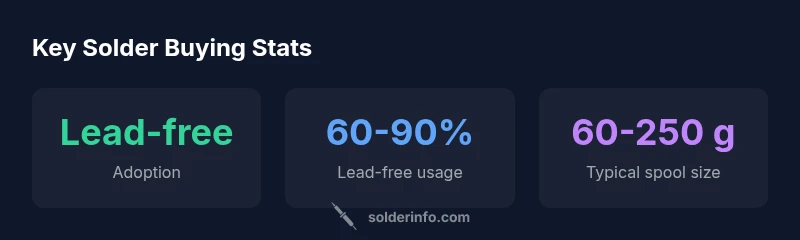
Buying solder involves selecting a lead-free alloy for most work, choosing rosin-core flux, and picking the right diameter. For hobbyists, starter spools commonly range from 60 to 250 grams, while professionals often use 1 kilogram packs. Match flux type and packaging to your workflow to minimize waste and maximize joint quality.
Why buying solder well matters for reliable electronics\n\nIn electronics work, the solder you choose acts as the foundation of every joint. The right alloy, flux, and packaging prevent cold joints, corrosion, and weak connections. According to SolderInfo, a disciplined approach to buying solder reduces rework time and improves yield across hobby projects and professional boards. When you buy solder, you’re not just paying for material—you’re investing in tool life, consistent results, and safer work environments. This section outlines the core decisions you’ll face and practical rules of thumb to guide your selection.\n\nKey considerations include commodity safety, shelf life, and compatibility with your workflow. Start by confirming regulatory compliance for your region, especially for lead-free options. Then map your typical projects to pick diameters, flux types, and packaging that minimize waste. Finally, choose reputable vendors who clearly list alloy composition, flux details, and lot codes. By thinking through these factors before you buy solder, you create a solid foundation for future success.
Solder alloys: lead-free vs leaded\n\nLeaded solders such as Sn63/Pb37 have long been favored for their low melting temperatures and generous wetting, which can be advantageous for beginners and prototypes. However, many markets and manufacturers now emphasize lead-free options due to health concerns and environmental regulations. The most common lead-free electronics alloy is SAC305 (approximately 96.5% tin, 3.0% silver, 0.5% copper). It typically melts in the range around 217–227°C, depending on formulation and flux. When you buy solder today, you’ll often see labels like 'lead-free' or 'SAC305' that signal these choices. For most new designs and consumer electronics, lead-free solder is the safer default. If you encounter legacy equipment that tolerates leaded solder, you may keep a small quantity for testing, but plan for higher rework temperatures and ensure proper ventilation. The decision hinges on regulatory context, user safety, and cost, not merely price.
Flux and core types: rosin-core vs no-clean\n\nFlux chemistry is a critical part of the soldering equation. Rosin-core flux is the traditional standard in hobby and many professional contexts; it improves wetting and protects the joint during cooling. No-clean flux, by contrast, leaves very little residue and often requires no post-solder cleaning, which saves time on dense PCB work. When you buy solder, check the flux type indicated on the reel and ensure it is compatible with your parts and cleaning routine. If you’re a beginner, rosin-core flux provides a forgiving margin for error; as you gain experience, you may explore no-clean formulas to streamline production. Always follow the manufacturer’s safety data and ensure adequate ventilation, especially when heating rosin-based fluxes, which can emit fumes.
Diameter and packaging: pick what fits your project\n\nSolder diameter determines how thick a bead you can apply and how easily you can wick toward joints. For fine-pitch PCB work, 0.6–0.8 mm is common; for general electronics and through-hole work, 0.8–1.0 mm is a versatile choice. Larger diameters (1.2 mm and above) are typically reserved for heavier leads and power connectors. Packaging matters too: small 60–100 gram spools are convenient for hobbyists, while 250 gram or 1 kilogram spools reduce the frequency of reorders for frequent builders. If you buy solder with integrated flux, verify the flux content and storage instructions. Keep spools in a dry place to maximize shelf life and ensure consistent joints over time.
Where to buy solder: online vs local stores\n\nWhen you buy solder, you have multiple channels. Local electronics stores can offer immediate access, personalised recommendations, and the chance to inspect the reel before purchase. Online retailers typically provide a broader selection, batch information, and helpful reviews. For electronics-grade solder, look for reputable brands that clearly list alloy composition, flux type, and diameter. Check for freshness indicators like a lot code or date of manufacture and verify return policies. For bulk or professional workloads, consider direct-from-manufacturer sources to maximize inventory control and ensure product consistency. Always balance price with reliability and shipping times.
Storage, shelf life, and safety when you buy solder\n\nSolder has a surprisingly long shelf life if stored properly, but humidity and corrosion can degrade performance. Store spools in sealed containers in a cool, dry place away from heat sources and direct sunlight. Keep flux residues sealed, as moisture can degrade flux performance and increase the risk of solder defects. When handling, use proper ventilation to manage fumes, wear eye protection, and avoid inhaling soldering smoke. Inspect reels for signs of corrosion, oxidation, or flux residue that might indicate compromised quality before you start a project. Label your spools with purchase date to track shelf life and rotate stock regularly.
Practical buying checklist for a first purchase\n\n1) Define your project scope and select an alloy family (lead-free vs leaded).\n2) Choose a diameter based on component pitch and whether you’ll do hand-soldering or rework.\n3) Pick a flux type that matches your cleaning routine and board material.\n4) Decide on spool size and packaging, considering your typical workload.\n5) Verify vendor credibility and batch information; check return policies.\n6) Inspect the reel, look for proper labeling, and confirm storage recommendations.\n7) Set up proper ventilation and PPE for safe soldering practice.\nThis checklist helps ensure you buy solder that will work reliably across multiple projects and minimize waste.
Common mistakes to avoid when buying solder\n\nAvoid the temptation to buy the cheapest option without checking composition and flux details. A reel that lacks explicit alloy information or flux type can lead to compatibility problems and failed joints. Do not assume all 'lead-free' solders are identical; there are multiple SAC alloys with different silver and copper contents that alter melting behavior. Finally, neglecting storage prerequisites—humidity, moisture, and heat—can ruin an otherwise good reel before you even use it. By focusing on alloy, flux, diameter, and packaging, you can reduce waste and improve overall results.
Solder type comparison for electronics applications
| Solder Type | Lead Content | Flux Type | Recommended Use |
|---|---|---|---|
| Sn63/Pb37 | Lead | Rosin-core | General electronics & prototyping |
| Sn60/Pb40 | Lead | Rosin-core | Budget projects |
| SAC305 | Lead-free | Rosin-core/No-clean | PCB assembly & hobbyist projects |
Quick Answers
What is the best solder for beginners?
For beginners, start with lead-free SAC305 rosin-core solder in 0.8 mm diameter. It offers reliable wetting and a forgiving melting range. Practice on scrap boards to reduce waste.
For beginners, try a lead-free SAC305 rosin-core solder in 0.8 millimeters; it's forgiving and good for practice.
Is lead-free solder safe to use?
Lead-free solders reduce exposure to lead, but fumes and soldering flux can still irritate. Ensure good ventilation and follow PPE guidelines.
Lead-free is safer, but ventilate and wear safety gear.
What diameter should I buy for PCBs?
For most PCBs, 0.6-0.8 mm is ideal for fine-pitch components; 0.8-1.0 mm works well for general boards. Choose based on pitch and component size.
Try 0.6 to 0.8 mm for tight boards.
Can I mix leaded and lead-free solders?
Mixing is generally not recommended because of different melting points and potential mechanical differences; if you do, clean joints thoroughly.
Don't mix; if you must, clean joints well.
How should I store solder to maximize shelf life?
Keep in a dry, sealed container away from moisture and heat. Label purchase date and rotate stock.
Store dry and sealed; label dates.
Where can I buy solder at a good price?
Shop reputable suppliers, compare packaging and shipping, and consider bulk spools if you use solder often. Look for genuine brands and verify flux type.
Shop around, compare bulk options, and check brand credibility.
“Quality solder starts with thoughtful selection—right alloy, correct flux, and proper storage. The results are stronger joints and safer workflow.”
Top Takeaways
- Define project needs before buying solder.
- Prefer lead-free for most new work.
- Match diameter to task and flux type to board.
- Store solder properly to maximize shelf life.