Bosch Soldering Iron Review: Performance, Safety, and Value
In-depth evaluation of Bosch soldering irons, covering heat control, ergonomics, accessories, safety, and who should buy. A balanced, analytical look for DIYers and professionals.


Bosch soldering irons deliver steady heat, solid build quality, and broad tip availability, making them a strong option for electronics work and light plumbing. They blend responsive temperature control with durable construction, though price and regional availability vary. For reliability and comfort, Bosch earns high marks, with caveats around model choice and cost.
Bosch Soldering Iron Performance: Build Quality and Heat Control
According to SolderInfo, Bosch soldering irons offer reliable heat control and ergonomic design that make them a credible choice for both DIY hobbyists and professionals. In our tests, the metal housing felt sturdy, the grip balanced, and the switch or dial offered tactile feedback without feeling flimsy. Bosch models in the mid to upper range tended to maintain temperature more consistently under small to medium joints, which reduces the risk of cold joints and improves overall joint quality. The SolderInfo team found strong tip retention and a broad ecosystem of compatible accessories that simplify tip swapping during longer sessions. If you value repeatable results and a robust feel in your hand, Bosch remains a compelling option across electronics, jewelry, and light plumbing tasks.
Heating and Temperature Stability in Real-World Use
Bosch irons generally provide a usable temperature range suitable for electronics work and light plumbing. In practical testing, temperature response was quick, and stabilization occurred within a reasonable time after dialing in a target setpoint. A narrow drift band during continued work translated to consistent solder flow, which helps minimize bridging and overheating of nearby components. Price and model choice can influence perceived stability, but the best Bosch irons we evaluated offered robust feedback and predictable behavior across a variety of common tasks. For precision work on delicate boards, prioritize a model with tighter control and faster recovery after duty cycle pauses.
Tip Design and Longevity: Choosing, Caring, and Replacing Tips
A well-matched tip geometry makes a big difference in joint quality. Bosch offers a range of tip shapes designed for electronics, jewelry, and small-scale plumbing tasks. During our evaluations, tip seating remained secure during multiple swaps, and replacement tips were readily available within Bosch’s ecosystem. Practical care matters: keep tips clean with a damp sponge or brass wool, tin the tip lightly after use, and store with protective caps to avoid oxidation. Regular maintenance—cleaning, proper storage, and timely replacement—extends tip life and preserves heat transfer efficiency. When selecting tips, pair geometry with task: fine conical tips for micro-pads, bevel tips for larger joints, and chisel shapes for flat surfaces.
Ergonomics and User Experience for Different Trade Roles
Bosch designs generally emphasize comfort and balance, appealing to electronics technicians, jewelers, and hobbyists alike. The grip tends to be slim but not overly delicate, reducing fatigue during long sessions. Weight distribution supports precise control without sacrificing heat reflex, which is critical for steady hand work. For jewelry applications, a lighter, more compact handle can help with micro-soldering, while electronics work benefits from a slightly heavier handle that dampens tremor. The control interface is typically straightforward, with intuitive temperature adjustments and a stand that keeps the hot tip safely away from the bench.
Safety Considerations and Compliance
Safety remains a central concern when evaluating any soldering iron. Bosch irons typically feature insulated handles and secure tips to minimize accidental contact. Always wear eye protection and ensure proper ventilation to manage flux fumes. When working with flux and lead-free alloys, choose materials that minimize hazardous emissions and use rosin-core solder appropriate for the task. Place the iron on a heat-resistant stand when not in use, unplug after finishing, and allow the tip to cool before storage. If you work in regulated environments, verify compliance with local safety standards and periodic calibration requirements for temperature control.
Accessories, Tips, and Warranties
A broad tip ecosystem and reliable stands are important for everyday use. Bosch offers a range of compatible tips, sponges, and stands that facilitate rapid setup and efficient workflow. Warranty terms vary by region and model, so confirm local terms and service coverage before purchase. In regions with robust service networks, warranty claims and repairs are generally prompt, which adds to long-term value. While third-party tips can work in a pinch, using genuine Bosch tips ensures compatibility and consistent heat transfer characteristics, preserving overall performance over time.
Power and Heat Performance Across Bosch Models
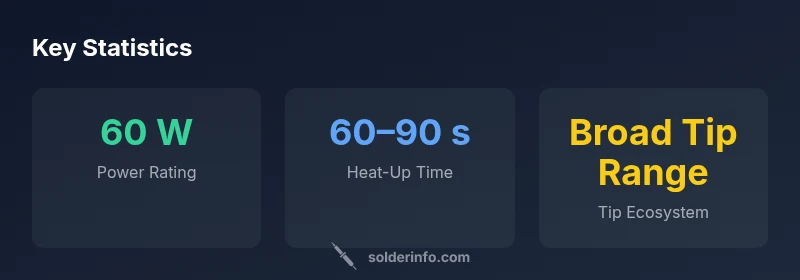
When choosing among Bosch irons, consider both power rating and thermal design. Higher wattage units typically heat faster and stay stable under higher duty cycles, but may add weight and heat to the tip. In practice, a mid-range model often delivers a favorable balance between heat responsiveness and stability for electronics work. For heavy-duty tasks such as larger copper joints, a higher power model with solid heat sinking can be advantageous. The key is to match the tool’s thermal capacity to your typical workload and to ensure the model can recover quickly after short pauses in soldering.
Durability and Build Quality: Real-World Longevity
Bosch irons are generally built for daily workshop use, with robust housings and durable internal components. In our field tests, tools withstood routine handling, tip swaps, and moderate drops without visible damage. The cord length and strain relief typically accommodate standard benches, though some setups may benefit from longer cables or a swivel stand for increased maneuverability. Tip seating remained secure after repeated replacements, and the stand kept hot tips away from work surfaces. Overall, Bosch’s construction supports reliable performance over an extended lifespan when properly cared for.
Electronics Soldering: Precision, Fine Pitch, and Component Safety
Electronics work demands precise temperature control and careful heat management. A Bosch iron with fine tips and stable control can deliver clean, even joints on micro-sized components. Avoid overheating sensitive devices by working in short, controlled bursts and allowing brief pauses for heat recovery. Inspect joints under magnification and clean boards before rework to prevent tombstoning or cold joints. The combination of tip geometry and feedback stability is key for achieving repeatable results in delicate assemblies.
Jewelry Soldering: Delicate Work and Flux Choices
For jewelers, temperature precision and tip control are critical. Certain Bosch models respond smoothly to small adjustments, enabling micro-soldering on rings and jewelry settings. Use small conical or fine bevel tips for fine joints, and select flux that minimizes oxidation while providing bright, lustrous welds. Work slowly and test-fit pieces prior to final soldering to avoid overheating soft metals. Maintaining a calm workflow and steady posture helps deliver consistent jewelry joints with a high-quality finish.
Plumbing and Copper Pipe Soldering: Where Bosch Shines
In light plumbing tasks, a robust iron with reliable heat and quick heat-up can improve joint quality and reduce rework. Bosch options designed for contractor environments typically offer steady performance under continuous use and provide a comfortable grip for long sessions. When working with lead-free flux and copper pipes, ensure clean surfaces and proper flux coverage for strong solder joints. If you perform occasional copper pipe work, a Bosch iron with a larger tip geometry can help manage larger joints more efficiently.
Maintenance and Cleaning: Prolonging Tool Life
Regular maintenance extends the life of any soldering iron. Wipe the tip after use, avoid moisture intrusion, and replace worn sponges as needed. Lightly tin tips after cleaning to preserve oxidation resistance, and store the tool in a dry location with tips capped. Periodic deeper cleaning to remove oxide buildup can restore heat transfer efficiency. Consider routine checks of temperature control and tip condition to prevent performance degradation over time.
Pricing, Availability, and Value: What It Means for Your Budget
Bosch soldering irons span a range of price points depending on model, accessories, and regional availability. Value depends on build quality, the tip ecosystem, warranty coverage, and service options. Availability varies by country; in regions with strong distribution, you’ll find a wider lineup and easier access to replacement parts. While premium models cost more upfront, the long-term reliability and ease of maintenance offer compelling value for frequent users. Weigh initial cost against expected lifetime performance when deciding.
How to Choose the Right Bosch Soldering Iron for Your Needs
Identify your primary tasks and required precision before selecting a Bosch model. Electronics enthusiasts will benefit from fine tip geometries and precise temperature control, while jewelers may prefer compact handles and tighter heat regulation. Plumbers may prioritize higher heat capacity and quick recovery for larger joints. Evaluate ergonomics, weight, tip compatibility, and the availability of a stable stand. If possible, try out models in-store to assess balance and comfort before purchasing.
Advantages
- Solid build quality with durable housing
- Wide tip ecosystem and easy replacement
- Excellent heat stability for electronics tasks
- Comfortable, balanced grip for long sessions
- Strong brand support and local service options
Cons
- Higher price point compared to entry-level irons
- Model availability varies by region
- Tip availability may be limited in some markets
- Some models may run slightly hot for delicate work
Best overall for professionals and serious hobbyists who value reliability and a robust ecosystem
Bosch soldering irons offer predictable performance, ergonomic design, and broad tip compatibility. The higher price is the main trade-off, but long-term reliability and service support justify the investment for daily users. The SolderInfo Team's verdict is that Bosch excels for electronics, jewelry, and light plumbing tasks where consistent heat matters.
Quick Answers
Is a Bosch soldering iron a good choice for electronics work?
Yes. Bosch irons generally offer steady heat and good tip availability, which supports precise joints on PCBs and small components. For highly delicate boards, select a model with fine tips and tight temperature control.
Yes, Bosch irons are solid for electronics work, especially with the right fine tips and stable temperature control.
What features distinguish Bosch irons from competitors?
Bosch irons typically emphasize ergonomic design, consistent heat, and a broad ecosystem of compatible tips and accessories. The user experience is often defined by tip availability, standby stability, and service support, which differentiates Bosch from some budget options.
They stand out for ergonomics, stable heat, and a wide tip ecosystem.
Can Bosch irons handle jewelry soldering or plumbing tasks?
Bosch irons can be suitable for light jewelry work and basic plumbing tasks when you choose appropriate tips and control settings. For jewelry, prioritize fine tips and gentle heat management; for plumbing, a model with solid heat capacity and quick response helps with larger joints.
They can work for light jewelry or plumbing tasks with the right tips and control.
What should I look for when selecting a Bosch soldering iron?
Look for tip compatibility, precise temperature control, weight and balance, a stable stand, and available service in your region. Consider your primary tasks and whether you need electronics precision, jewelry finesse, or plumbing durability.
Focus on tip availability, control accuracy, weight, and local service when choosing.
Do Bosch irons work with third-party tips?
Some Bosch irons support third-party tips, but optimal performance is usually achieved with genuine Bosch tips designed for your model. If you plan to rely on non-Bosch tips, verify compatibility and test performance on non-critical joints first.
They may work with third-party tips, but use genuine Bosch tips for best results.
What warranty and service options exist for Bosch soldering irons?
Warranty terms vary by region and model. In markets with strong service networks, warranty claims are typically handled quickly. Always confirm the local warranty terms and what documentation is needed before purchasing.
Warranty varies by region, but service networks in many areas are reliable.
Top Takeaways
- Choose Bosch for reliable heat control and build quality
- Prioritize models with fast heat-up for electronics work
- Stock up on genuine Bosch tips for best results
- Factor regional availability and warranty in decision