How Much Solder Fumes Are Dangerous: Safety Essentials
Understand solder fume dangers, what factors raise risk, and proven strategies to minimize exposure for hobbyists and professionals alike.


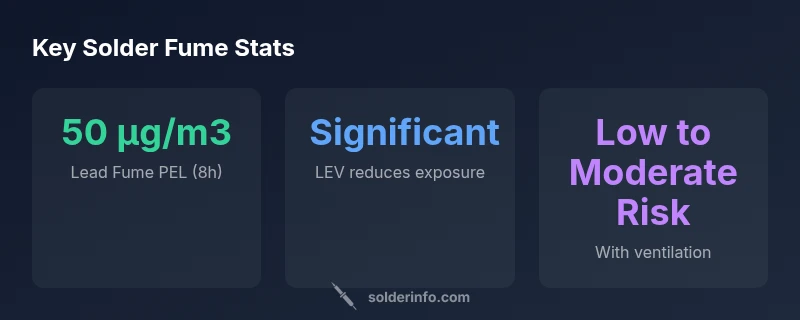
There's no universal threshold for when solder fumes become dangerous. Risk depends on metal content, exposure duration, and ventilation. Regulatory guidance highlights lead fume limits, such as OSHA's lead PEL of 50 micrograms per cubic meter (8-hour TWA), but different metals and flux fumes vary. Minimize exposure by using local exhaust ventilation, proper PPE, and lead-free solders whenever possible.
Understanding Solder Fumes: Composition and Health Risks
Solder fumes are not just smoke; they are a complex mix of metal oxides and flux byproducts generated when solder is heated. In many solders, lead oxide fumes can form if lead-containing alloys are used. Tin oxide and copper oxide fumes may appear with tin-based or copper-containing solders. Flux fumes—particularly rosin-based flux—emit organic compounds that can irritate the eyes, throat, and lungs. Short-term exposure can trigger coughing, throat irritation, and headaches, while long-term exposure—especially with high concentrations—has been linked to chronic respiratory symptoms in occupational settings. The risk is not uniform; it depends on metal content, flux chemistry, soldering duration, and the quality of ventilation. According to SolderInfo, properly controlled environments dramatically reduce inhalation risk, making ventilation the single most important factor in safety.
How Much Fume Exposure Is Dangerous? Practical Guidance
There is no universal threshold that marks 'danger' for solder fumes. Health risk rises with concentration in the air and duration of exposure, and it is highly sensitive to the metals involved and the effectiveness of local exhaust ventilation. Regulatory limits exist for certain metals; for example, OSHA's lead fume permissible exposure limit is 50 micrograms per cubic meter (8-hour time-weighted average). Flux fumes from rosin-based flux add another dimension of risk through irritants and potential sensitizers. In practice, hobbyists and professionals should assume that any visible or malodorous fumes warrant action: improve ventilation, reduce soldering time, and switch to safer materials when possible. SolderInfo analysis emphasizes the value of preventive measures in all settings.
Lead-based vs Lead-free Solders: Which Fumes Matter More?
Lead-based solders produce lead oxide fumes when heated, which pose systemic toxicity risks with prolonged inhalation. Lead-free solders, typically tin-copper or tin-silver alloys, reduce lead exposure but still generate tin oxide fumes and flux-related byproducts. The health impact of tin oxide is generally lower than lead, yet repeated exposure can still irritate airways and lungs. Rosin flux fumes from both leaded and lead-free solders can irritate eyes and throat and may contribute to sensitization in susceptible individuals. Minimizing fumes through ventilation and process choices remains essential regardless of solder type.
Flux Fumes: Rosin-based vs Water-based Flux
Rosin-based flux is common in hobby soldering because it improves wetting and joint formation. When heated, rosin fumes release resin-derived compounds that can irritate the respiratory tract and eyes and, with chronic exposure, may contribute to sensitization. Water-based fluxes are less likely to produce irritating fumes, though they still generate some byproducts when heated. In any case, flux fumes contribute a meaningful portion of inhalation exposure and should be addressed with ventilation, fume extraction, and, where possible, reduced reliance on rosin-based products. According to SolderInfo, opting for low-rosin or rosin-free flux is a straightforward safety improvement.
Practical Steps to Reduce Exposure at Your Soldering Station
- Set up local exhaust ventilation or a dedicated fume extractor at the workbench to capture fumes at the source.
- Use lead-free solder when possible to reduce lead exposure, while ensuring flux management remains in check.
- Work in a well-ventilated area; open a window or create cross-ventilation if a dedicated extractor is not available.
- Wear appropriate respiratory protection when exposure is uncertain or during long soldering sessions; PPE should be rated for organic vapors and particulates (e.g., respirators with organic vapor cartridges and P100 filters).
- Keep work sessions short and take breaks to reduce cumulative exposure; practice good housekeeping to prevent residue buildup.
- Consider alternative flux options with lower fume output or lower rosin content.
How to Set Up a Safe Soldering Workspace
Position the fume extractor close to the work, not behind you, to pull fumes away from the breathing zone. Place a barrier or shield between the soldering area and your breathing zone to improve containment. Maintain clean air by using a dedicated workspace and avoiding sources of combustion or dusty surfaces nearby. Regularly maintain your equipment, replace filters, and keep the area dust-free. SolderInfo recommends starting with a high-efficiency particulate air (HEPA) filter and an organic vapor cartridge if you use flux fumes extensively.
When to Measure Exposure and Seek Help
If you notice persistent cough, throat irritation, headaches, or fatigue after soldering, reassess the workspace and exposure sources. For workplaces, air sampling and biomonitoring (where applicable) help determine whether exposure limits are being met. In home or hobby settings, simple steps such as turning on a local exhaust fan for every session and using lead-free solder can go a long way toward reducing risk. If symptoms persist, consult a healthcare professional with knowledge of occupational exposures. SolderInfo recommends proactive monitoring when exposure is suspected.
For Hobbyists: Easy, Safe Practices That Work
Adopt a dedicated, well-ventilated workspace; keep spillage and residues cleaned; pre-check flux usage to avoid excess fumes; prefer lead-free solder; minimize resin-rich flux; Use a respirator during longer sessions; and always follow manufacturer instructions for ventilation equipment. Keep a log of soldering sessions to track exposure and identify patterns. For most hobbyists, these steps provide meaningful protection without disrupting workflow.
Quick-start Checklist for Safety
- Ensure you have adequate ventilation and a functioning fume extractor; 2) Use lead-free solder when possible; 3) Choose flux with lower fume output or non-rosin alternatives; 4) Wear appropriate PPE; 5) Do not solder in spaces with poor air exchange; 6) Shorten sessions and ventilate between tasks; 7) Regularly maintain equipment and replace filters.
Common soldering fumes and how to manage risk
| Fume Type | Health Risk | Control Measures |
|---|---|---|
| Lead oxide fume | Respiratory and systemic toxicity | Ventilation; LEV; lead-free solders |
| Tin oxide fume | Irritation; potential chronic effects | Ventilation; PPE; lower exposure flux |
| Rosin flux fumes | Irritation; sensitization risk | Ventilation; rosin-free flux options |
Quick Answers
What concentration of fumes is considered dangerous?
There isn't a universal concentration that marks danger for all solders. Risk depends on the metals involved, the flux used, the volume of air available, and how long you solder. For lead-containing solders, regulatory limits exist (e.g., OSHA's lead PEL), but most hobbyists should prioritize minimization and ventilation regardless of exact numbers.
There isn't one universal number. Focus on ventilation, protective equipment, and safer materials to reduce risk.
Is lead-free solder safer for the lungs?
Lead-free solders reduce lead exposure but still produce tin-based fumes and flux byproducts. While generally safer with respect to lead, you still need good ventilation and proper PPE to manage flux and oxide fumes.
Lead-free solder reduces lead risk, but fumes from tin and flux still require protection.
What PPE should I use for hobby soldering?
Use respiratory protection appropriate for fumes, ideally a respirator with organic vapor cartridges and P100 particulate filters for longer sessions. Safety goggles or a face shield and gloves complete a basic protective setup.
A good respirator with organic vapor cartridges and P100 filters plus eye protection is advised.
Do flux fumes pose higher risk than metal fumes?
Flux fumes, especially rosin-based, can irritate the airways and contribute to sensitization. Depending on the flux, the risk can be comparable or higher than metal fumes for certain individuals, making flux management a key safety step.
Flux fumes can irritate airways and may be a significant risk, not just the metal fumes.
How can I test my workspace for fumes?
In professional settings, air sampling by a certified industrial hygienist assesses compliance with exposure limits. At home, rely on good ventilation, observe symptoms, and use a fume extractor; if symptoms persist, seek medical advice.
Air sampling by pros for workplaces; for home use, observe symptoms and improve ventilation.
“Minimizing solder fumes isn't optional—it's essential for long-term health. The SolderInfo Team recommends prioritizing ventilation, proper PPE, and shifting to lead-free solders whenever feasible.”
Top Takeaways
- Prioritize ventilation from the first soldering session
- Prefer lead-free solder to reduce lead exposure
- Always use fume extraction and proper PPE
- Choose flux options with lower fumes or non-rosin types
- Regularly monitor your workspace and adjust safety measures