Top Solder Wire on Amazon: 2026 Buyer’s Guide for Electronics DIY
Discover how to choose the best solder wire on Amazon with tips on flux, diameter, and alloys. This guide covers electronics, jewelry, and plumbing applications for safe, reliable soldering outcomes.


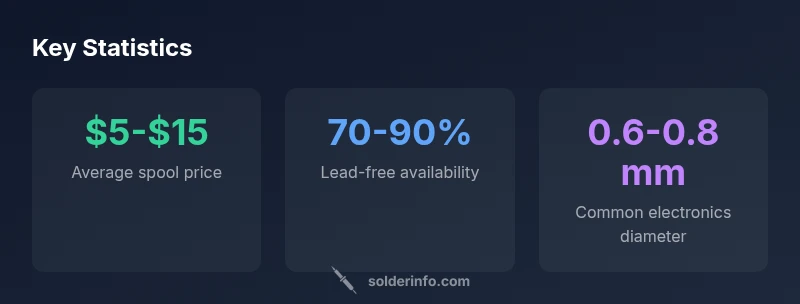
0.6–0.8 mm diameter lead-free rosin-core solder wire is a common electronics pick on Amazon. For jewelry and plumbing, consider thicker diameters and different alloys. Prioritize flux type, alloy composition, and packaging quality, and choose rosin-core vs water-soluble flux according to your project.
What to look for when buying solder wire on Amazon
According to SolderInfo, buying solder wire on Amazon requires understanding flux, alloy, diameter, and packaging quality. The phrase solder wire amazon often appears in listings, but buyers should focus on the technical specs rather than branding alone. For electronics work, prioritize lead-free rosin-core wires in the 0.6–0.8 mm range, which balance easy wetting with control on small components. Check the flux type (rosin-core vs water-soluble) and the alloy composition (SnCu, SnAgCu, or Sn60Pb40 for legacy uses). Packaging quality matters: a clean spool, protective wrap, and clear labeling help prevent oxidation and waste. Also look for consistent labeling of diameter and flux data, and verify seller reliability through ratings and return policies. This approach reduces surprises when the wire arrives and improves long-term soldering results.
Lead-free vs leaded: flux and safety considerations
Lead-free solder wires are now the standard in electronics due to health and environmental concerns. In practice, lead-free alloys like SnAgCu require slightly higher soldering temperatures and may have different wetting behavior than traditional Sn60Pb40. When shopping on Amazon, prefer rosin-core formulations with low resin content to minimize smoke and ensure clean joints. If your project involves older boards or leaded components, you may encounter Sn-Pb formulations, but be mindful of safety data and disposal rules. Always work in a well-ventilated area and wear appropriate PPE. Solder fumes can irritate the eyes and lungs, so consider a fume extractor for extended sessions.
Choosing the right diameter and alloy for different tasks
Diameter selection matters: electronics often benefit from 0.6–0.8 mm for small ICs and dense layouts, while hobbyist plumbing or larger components may use 1.0 mm or thicker. For jewelry work, very fine wires (0.4–0.7 mm) paired with low-melting alloys or specialized jewelry solders can yield smoother joints on thin metal rims. The alloy choice affects melting temperature and joint strength: lead-free Sn-Ag-Cu is common for electronics, while softer Sn-Pb alloys can be easier to work with for beginners. Always confirm the alloy composition in the listing and compare similar products to gauge consistency across brands. A careful selection reduces rework and improves first-pass success on critical joints.
How to read product listings and avoid common pitfalls
Amazon listings often omit precise flux or diameter details, so cross-check the product title, description, and bullet points. Look for explicit terms like ‘rosin-core,’ ‘lead-free,’ and the exact diameter in millimeters. Watch out for vague numbers or mixed messaging about flux; if in doubt, contact the seller for a data sheet. Reviews can reveal subtle issues like diameter tolerance and spool quality. If you’re unsure, start with a small spool or a sampler set to test compatibility with your tools before committing to a larger purchase. Soldering consistency depends on reliable product data, not just brand reputation.
Practical shopping checklist for solder wire on Amazon
Use this quick checklist to evaluate solder wire listings:
- Confirm the exact diameter and alloy in the listing
- Verify flux type and any handling requirements
- Check if the product is lead-free and compliant with local safety standards
- Read reviews for consistency in spool quality and flux performance
- Review seller rating, return policy, and packaging integrity
- Compare price-per-gram across similar spools to assess value
- Ensure the product is suitable for your application (electronics, jewelry, plumbing)
Following this checklist helps you avoid mislabeling, counterfeit listings, and poor performing wire.
Storage and maintenance tips to extend spool life
Proper storage preserves solder wire quality. Keep spools in a cool, dry place away from moisture, sunlight, and corrosive environments. Store coils in their original packaging or sealed bags with a desiccant to prevent oxidation of the flux and metal surface. If the wire has been exposed to humidity or air for extended periods, visually inspect the outer coating and flux for corrosion before use. Rotate stock to use older spools first to minimize waste. Finally, practice caution when handling multiple wires to prevent cross-contamination between alloys.
How to test a new solder wire without wasting material
Begin with small test joints on scrap copper or PCB headers. Pre-tin the tip of your iron and ensure the flux is appropriate for the alloy. Apply a small amount of solder to the joint and observe wetting, flow, and bead formation. If the joint wicks slowly or beads unevenly, the flux or alloy may not be compatible with the metal. Calibrate your iron temperature to match the alloy’s melting point and avoid overheating. Document your test results to guide future purchases and optimize your soldering workflow.
Solder wire for jewelry: what to look for
Jewelry soldering requires soft alloys that melt cleanly without damaging precious metals. Look for solders labeled for jewelry, often with lower melting points and specialized flux. The diameter should be small to accommodate delicate repairs on rings, chains, and fine clasps. Rosin-core flux is common, but water-soluble flux can be preferred for jewelry cleaning and later polishing. Pay attention to the purity of metals (e.g., gold or silver content) and compatibility with the base metals to avoid discoloration. A carefully chosen solder wire on Amazon can yield strong, seamless joins with minimal polishing.
Compliance and safety notes for hobbyists
Always follow local regulations regarding soldering and waste disposal. Work in a well-ventilated area and wear appropriate PPE, including safety glasses and a dust mask if flux fumes are present. Store solder wires away from children and pets, and keep solvents and cleaners in a separate area. Dispose of lead-containing materials according to local hazardous waste guidelines. For jewelry and electronics, prioritize lead-free alloys to minimize health risks. Regularly inspect tools and cables for wear to prevent accidents during long projects.
Solder wire selection matrix by application
| Aspect | Electronics Use | Jewelry Use | Plumbing Use |
|---|---|---|---|
| Diameter (mm) | 0.6-0.8 | 0.4-0.7 | 0.8-1.2 |
| Flux Type | Rosin-core | Rosin-core | Flux-core |
| Alloy | Sn60/Pb40 or lead-free variants | Fine gold or silver solders | Tin-based plumbing solders |
Quick Answers
What is the difference between lead-free and leaded solder wire?
Lead-free solders use alloys like Sn-Ag-Cu and are preferred for safety and compliance. Leaded solders, such as Sn-Pb, melt at lower temperatures and are easier to work with for beginners, but they pose health risks and are restricted in many regions. Always check local regulations before using leaded solder.
Lead-free solders are safer and more compliant, but may require higher temperatures. If you’re in electronics, choose lead-free; for very simple hobby projects, some prefer leaded solder, but handle with care.
What diameter should I choose for electronics soldering?
For dense electronics, choose 0.6–0.8 mm to balance control and wetting. Smaller diameters make fine joints easier, while larger diameters can cause bridges on tiny pads. Always match to your component size and iron temperature.
Use 0.6 to 0.8 millimeters for most electronics work; adjust if you’re dealing with very small pads or larger components.
Can I use plumbing solder for electronics?
No. Plumbing solders often rely on different alloys and fluxes that aren’t suitable for sensitive electronic components. Stick to electronics-grade solder wire and appropriate flux for circuit boards.
Avoid using plumbing solder on electronics; use electronics-grade wire and flux instead.
How do I identify quality solder wire on Amazon?
Look for explicit data: exact diameter, alloy composition, flux type, and lead-free labeling. Read reviews for consistency, check for data sheets, and verify the seller’s return policy. If data is missing, contact the seller before purchase.
Check for clear specs, reliable reviews, and a good return policy before buying.
What flux is best for jewelry soldering?
Jewelry work often benefits from rosins or water-soluble flux designed for precious metals. Choose a flux compatible with gold or silver and a solder alloy that won’t discolor the metal or leave residues that are hard to remove.
Use a jewelry-appropriate flux, usually rosin-based or specific water-soluble flux for jewelry metals.
How should I store solder wire to prevent oxidation?
Keep spools in a dry, cool place, ideally sealed to limit humidity. Use desiccants if needed and store away from corrosive chemicals. Rotate stock to use older spools first and inspect the flux coating before use.
Store in a dry place with desiccants and rotate stock to keep flux quality high.
“"Quality solder wire on Amazon stems from a combination of flux, alloy, and diameter, not brand alone. Lead-free rosin-core is ideal for electronics, while jewelry projects often require specialty alloys."”
Top Takeaways
- Prioritize lead-free rosin-core for electronics
- Match wire diameter to component size and task
- Read listings carefully to verify flux and alloy
- Check seller reliability and packaging quality
- Store solder wires properly to maximize shelf life