How to Learn to Solder: A Hands-On Beginner Guide
A practical, step-by-step guide to learning soldering for electronics, plumbing, and jewelry. Safety, tools, techniques, and beginner projects included to build confidence and avoid common mistakes.


In this guide you’ll learn the fundamentals of soldering, from safety to technique and practice projects. You’ll cover essential tools, basic joints, heat control, flux use, and inspection methods so you can start with confidence on electronics, plumbing, or jewelry tasks. This quick path sets you up for repeatable, quality results as you practice.
What you will learn when you learn to solder
If you’re wondering how to learn to solder, this guide breaks down the process into safe habits, core techniques, essential tools, and beginner‑friendly projects. By the end, you’ll understand temperature control, flux application, joint formation, and quality checks. You’ll gain confidence handling electronics, plumbing, or jewelry tasks with reliable, repeatable results. Soldering is a learnable skill with clear steps, practice, and patience. Expect a structured path from zero to competent practice, with emphasis on safety and repeatable results.
Essential tools and workspace setup
A solid soldering session starts with the right environment. Choose a stable, heat‑resistant surface, good ventilation, and a clear area free of clutter. PPE like safety glasses is essential, and a small fan or fume extractor helps keep fumes away from your face. Keep a water bottle away from the hot iron, and have an easily accessible fire extinguisher nearby if you’re working with metal that could spark. Your tool lineup should include a quality soldering iron, lead‑free solder, flux, a stand, a damp sponge or brass wool, tweezers, wire cutters, and pliers. A pair of helping hands is optional but incredibly helpful for beginners.
Core soldering techniques for beginners
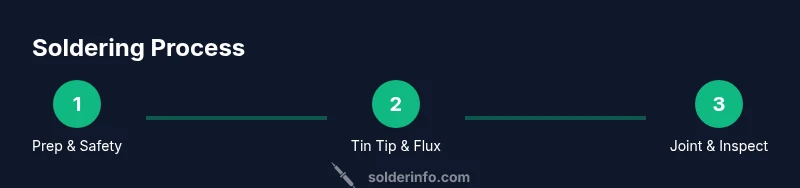
Understand that soldering is about controlled heat transfer and clean joints. Start by tinning the iron tip, then apply flux to the joint. Heat the joint and apply solder to the joint, not directly to the iron, to form a shiny, cone‑shaped joint. Avoid overheating components and use a heat sink for delicate parts. Practice on scrap wires and joints before tackling real projects, keeping hands steady and pace deliberate. Proper cooling time is essential for a solid joint.
Common mistakes and how to fix them
Common issues include cold joints, overheating, and applying solder to the iron rather than the joint. To fix a cold joint, re‑heat and apply a small amount of solder while maintaining steady contact. If oxidation appears, clean the tip and retin with solder. Keep flux flowing and avoid moving parts during cooling. Always inspect joints for a smooth, shiny surface and correct any gaps or bridging as soon as they appear.
Practice projects to build confidence
Start with simple, non‑critical tasks like joining two copper wires or connecting a small LED to a battery holder. Move to a basic through‑hole component on a perf board, then attempt a small, simple circuit. Plumbing practice can involve solder‑on copper joints with a fluxed fit. Jewelry practice might involve soldering a jump ring to a bezel with a steady hand and a steady flame. Keep a project log to track progress and note what needs improvement.
Safety and ventilation best practices
Always work in a well‑ventilated area and use a fume extractor if possible. Wear safety glasses and keep flammable materials away from the work zone. Never leave a hot iron unattended, unplug it after use, and store it safely in its stand. Make sure you include a heat‑resistant mat and keep a damp cloth nearby to extinguish small fires or wipe flux. Build a routine around safe handling of hot tools and hazardous flux residues.
Maintenance and long‑term care of tools
Clean the soldering iron tip after use and tin it to prevent corrosion. Regularly clean flux residue from joints and wipe down the work area. Replace worn tips and keep the sponge damp for tip cleaning. Store solder, flux, and tools in a dry, organized space to extend their life. Periodically check the power cord and station for wear, replacing components as needed.
Troubleshooting common joint problems
If joints look dull or grainy, re‑treat with flux and re‑heat carefully. A shiny, smooth joint indicates a good connection; a dull or brittle joint suggests insufficient heat or cleaning. Crackling sounds or smoke may indicate overheating or flux burning—step back and reassess temperature and technique. For persistent issues, practice on scrap pieces and review heat settings before attempting more complex work.
Next steps and continuing education
Once you’ve mastered basics, increase difficulty by tackling small consumer electronics repairs, then progress to more complex projects. Consider formal resources like beginner electronics kits or plumbing starter sets, and look for local maker spaces to gain hands‑on guidance. Regular practice builds muscle memory and confidence, while documenting your results helps you track improvement over time.
Tools & Materials
- Soldering iron (40-60W, adjustable)(Stable stand; temperature control if possible)
- Lead-free rosin-core solder(Choose a diameter suitable for small joints)
- Flux (rosin-based or flux pen)(Prepares surfaces and improves wetting)
- Soldering station or stand(Integrated or separate from iron)
- Tip cleaning sponge or brass wool(Keep tip clean and tinned)
- Helping hands / third‑hand tool(Holds parts steady)
- Safety glasses(Eye protection from splashes)
- Ventilation or fume extractor(Reduces inhalation of fumes)
- Wire cutters and needle‑nose pliers(For component handling and trimming leads)
- Desoldering braid/wick(Mistakes and excess solder cleanup)
- Isopropyl alcohol and lint‑free wipes(Flux residue cleanup)
Steps
Estimated time: 60-90 minutes
- 1
Set up a safe workspace
Choose a stable, clean bench with good ventilation. Place a heat‑resistant mat, stand the iron securely, and keep a fire‑safety plan nearby. Ensure you have safety glasses on and an easily accessible water source in case of splashes. A well‑organized space reduces accidents and speeds learning.
Tip: Always unplug the iron when not actively soldering and keep flammable materials away from the tip. - 2
Select materials and prep surfaces
Lay out the copper wire, PCB pads, or jewelry pieces you’ll join. Apply flux to the surfaces to improve wetting and ensure the solder flows smoothly. Check that leads are cut cleanly and that there’s no oxidation on the metal. Preparation reduces defects.
Tip: Flux first, then heat; never try to solder dirty surfaces. - 3
Tin the iron tip
Heat the iron and apply a small amount of solder to the tip to coat it evenly. This creates a conductive surface and makes future joints easier to form. Wipe off excess solder and keep the tip clean between joints.
Tip: A liberal, but not excessive, tinned tip improves heat transfer. - 4
Apply flux and position the joint
Apply flux to the joint area. Place components in alignment and steady them with tweezers or a helping hand. Good alignment prevents bridges and cold joints and makes the joint reliable.
Tip: Take a moment to secure parts before applying heat. - 5
Heat and apply solder to the joint
Touch the soldering iron to the joint and feed solder into the joint itself, not directly onto the iron. The solder should flow and form a shiny, conical shape. Remove heat as soon as the joint is filled to avoid overheating components.
Tip: Steady hands and short heat pulses yield the best joints. - 6
Inspect and adjust
Look for a smooth, shiny fillet with no gaps or bridges. If needed, reheat briefly and apply a touch more solder. Clean flux residue after the joint cools to maintain surface integrity.
Tip: If in doubt, rework small areas rather than replacing the whole joint. - 7
Cool, clean, and store
Let joints cool undisturbed. Wipe away flux residue with isopropyl alcohol and store tools in a dry place. Keep the work area tidy to reduce risk during future sessions.
Tip: Don’t wiggle the joint while it’s cooling.
Quick Answers
What is soldering and what can I solder as a beginner?
Soldering is joining metal parts using molten metal. Beginners typically start with electronics, small jewelry repairs, and basic copper plumbing tasks. Start with simple wire joins and non‑critical components to build confidence before tackling larger assemblies.
Soldering is a method of joining metal parts by melting a special metal. For beginners, start with simple electronics or jewelry tasks to practice the basic joints.
What equipment do I need to start soldering safely?
A basic soldering iron, lead-free solder, flux, a stand, a damp sponge or brass wool, tweezers, and safety glasses are essential. A ventilation solution helps, and a simple helping hands tool can improve accuracy for beginners.
You need a soldering iron, lead-free solder, flux, a stand, and safety gear to start safely.
Is lead-free solder safe for beginners, and should I avoid leaded solder?
Lead-free solder is preferred for safety, especially in electronics. It reduces health risks associated with lead exposure. If you encounter leaded solder in legacy electronics, handle with care and wash hands after use.
Lead-free solder is safer for beginners. If you must use leaded solder, keep it away from skin and wash hands after handling.
How long does it take to become proficient at soldering?
Proficiency comes with consistent practice over several weeks to months, depending on effort and complexity of projects. Start with simple joints and gradually move to more challenging tasks, tracking progress along the way.
It takes a few weeks to months of steady practice to feel confident, depending on how often you solder.
What safety steps should I never skip when learning to solder?
Never skip ventilation, eye protection, or unplugging the iron when not in use. Keep flammables away and practice on non‑critical parts until you are comfortable with heat and precision.
Always use safety gear, ensure good ventilation, and never leave a hot iron unattended.
What are common signs of a good solder joint?
A good solder joint is shiny, smooth, and continuous without gaps or bridges. It should form a neat fillet and mechanically hold the components without cracking during gentle movement.
Look for a shiny, smooth joint with no gaps and a clean fillet.
Watch Video
Top Takeaways
- Learn the safe basics before touching any components
- Tin the iron tip and use flux for clean joints
- Solder with steady hands and inspect each joint
- Progress through simple projects to build confidence
- Maintain tools and workspace for consistent results