How to Tell If Solder Is Silver: A Practical Identification Guide
Learn safe, reliable methods to identify silver-bearing solder using visual cues, tests, and verification steps. Designed for hobbyists, electronics enthusiasts, jewelers, and plumbers, this guide helps you distinguish silver solder from other alloys with confidence.


To determine if solder contains silver, use a practical mix of visual checks, basic tests, and, if possible, lab verification. In this guide on how to tell if solder is silver, you’ll learn reliable indicators, safe testing methods, and how to interpret results. Follow this step-by-step approach to distinguish silver-bearing solder from standard alloys. This approach emphasizes safety and reproducibility for both hobbyists and professionals.
How to tell if solder is silver: an identification primer
The term 'silver solder' generally refers to alloys that include silver as a significant component. In electronics, jewelry, or plumbing, these solders are valued for improved strength and corrosion resistance. Understanding how to tell if solder is silver starts with recognizing typical silver-containing alloys and the signs you should expect on scrap, reels, and finished joints. Always verify markings on packaging and consult supplier datasheets when available. The phrase how to tell if solder is silver appears frequently in guides, but practical confirmation relies on a combination of indicators and safe testing. This section outlines a reliable approach that minimizes risk and maximizes repeatability for hobbyists and professionals alike.
Visual cues you can trust when identifying silver solder
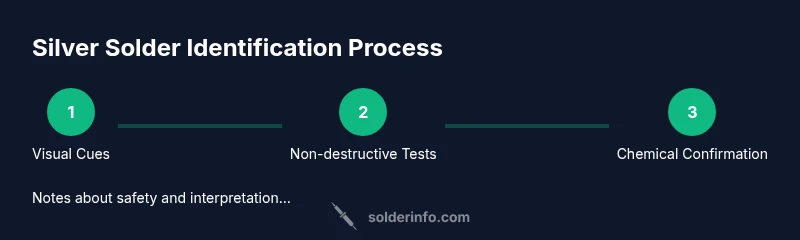
Visual inspection can yield quick hints about whether a solder contains silver. Look for a bright, light-gray or silver-white tone compared with standard tin-lead or tin-silver mixes. Silver-bearing alloys often display a consistent, brighter luster after cleaning and may leave a distinctive, faint white residue from flux residues that hardens differently. Packaging and spool markings can also reveal composition when the supplier clearly lists the alloy family. While visuals are helpful, they are not definitive; use them as a first-pass indicator when you’re learning how to tell if solder is silver and planning safer, more conclusive tests.
Non-destructive tests and simple checks
Non-destructive checks provide more information without destroying the solder sample. A handheld magnet can help separate ferrous contaminants from typical tin-silver-copper solders, but most silver-containing solders are non-magnetic, so this check is only a hint. Assess conductivity by noting how the material conducts heat and electricity compared with known reference pieces. If you have access to an X-ray fluorescence (XRF) device, you can obtain a non-destructive elemental readout that confirms silver presence. For hobbyists, keep test samples separate, label them, and compare their visual and tactile properties to confirmed references. Remember, how to tell if solder is silver is rarely determined by a single test—it requires a combination of observations for confidence.
Chemical tests and safety considerations
Chemical tests can provide stronger indicators but require caution. If you choose to use a dedicated silver test kit, follow the manufacturer’s instructions precisely, wear appropriate PPE, work in a well-ventilated area, and dispose of chemical waste properly. Silver reacts differently from tin or copper alloys in specific acids, so a positive result supports your assessment but is not a standalone proof. For safety, avoid improvised home mixtures and seek a reputable kit from a trusted supplier. When in doubt, consult a professional lab for definitive analysis, especially in critical electronics or jewelry work. This section emphasizes responsible handling while exploring how to tell if solder is silver.
Interpreting results and avoiding false positives
Interpreting results requires context. A bright appearance or a positive acid test can indicate silver, but certain alloys with small silver content can mimic these cues. Surface finish, oxide behavior, and previous processing history (like plating or overheating) influence outcomes. Cross-check results across multiple methods and rely on corroborating evidence such as packaging data or XRF readings if available. Document each test and note any uncertainties to avoid misidentifying the alloy, which could affect joint reliability or safety in plumbing and electronics work.
A practical workflow for hobbyists and pros
For reliable results, follow a practical workflow: 1) Gather tools and samples; 2) Perform initial visual checks and read packaging; 3) Conduct non-destructive tests (magnet check, conductivity, and, if possible, XRF); 4) Use chemical testing only with proper kits and safety; 5) Verify with instrumental confirmation when needed; 6) Record outcomes and proceed with recording the alloy type for future reference. This workflow gives you a robust approach to identifying silver solder in real-world projects and helps you avoid common pitfalls like misreading color alone or relying on a single test.
Tools & Materials
- Jewelers loupe or magnifying glass(2x–10x magnification recommended to inspect surface finish and markings.)
- Safety goggles(Impact- and chemical-splash protection.)
- Nitrile gloves(Protect hands during testing and cleaning.)
- Scrap solder sample(Small, unused piece for testing; label clearly.)
- Isopropyl alcohol or flux cleaner(Clean surfaces before inspection.)
- Magnet tester(Quick hint; most silver-bearing solders are non-magnetic.)
- XRF handheld analyzer (optional)(Best non-destructive confirmation of silver content.)
- Silver test kit (acid-based) (optional)(Used with safety precautions and proper disposal.)
- Calipers or digital scale(For size and mass comparison against reference samples.)
- Non-magnetic tweezers(Handle small samples safely without introducing magnetic interference.)
Steps
Estimated time: 60-120 minutes
- 1
Assemble safety gear and samples
Put on safety goggles and gloves. Collect a known reference sample of silver-bearing solder and a control sample of a common non-silver solder. Clean surfaces with isopropyl alcohol to remove oils and residues that could affect tests.
Tip: Label each sample clearly before testing to avoid mix-ups. - 2
Perform a visual check and packaging review
Examine the solder under magnification for color, luster, and any markings on packaging that indicate silver content. Make notes about surface texture and flux residue quality. This step helps you decide which tests to perform next.
Tip: Compare your observations with a known reference image bank if available. - 3
Conduct non-destructive tests
Use a magnet to assess ferrous content (most silver-containing solders are non-magnetic). If you have access to XRF, run a reading on the sample to identify silver peaks and confirm presence. Document results and compare against the reference sample.
Tip: Non-destructive results should reinforce each other; a single positive sign is not conclusive. - 4
Proceed with chemical testing (optional and safety-led)
If you opt for a chemical test, follow the testing kit instructions carefully. Apply a tiny amount to a test area or a designated test coupon; observe color change or other indicators per the kit—then neutralize and dispose safely.
Tip: Only use approved kits and handle acids with proper PPE and ventilation. - 5
Cross-check and interpret results
Correlate visual cues, non-destructive test outcomes, and any chemical test results. If results agree, you have higher confidence in identifying silver solder. If results conflict, use instrumental analysis or consult a lab.
Tip: When in doubt, rely on a corroborative method like XRF or laboratory assay. - 6
Document results and decide next steps
Record all observations, test conditions, and conclusions. If the solder is used in critical electronics or jewelry, plan for replacement with confirmed silver-bearing material or request supplier verification.
Tip: Maintain a clear audit trail for future repairs or manufacturing records.
Quick Answers
Is visual color enough to identify silver solder?
Color can hint at silver content, but it’s not definitive. Silver-bearing solders may look similar to other alloys. Use a combination of tests for reliable results.
Color alone isn’t reliable; combine it with tests for a trustworthy answer.
Can a magnet reliably indicate silver content in solder?
Most silver-containing solders are non-magnetic, but magnet tests are not definitive because many alloys share this property. Treat magnet results as a preliminary cue.
Magnet tests are only a preliminary clue, not a proof.
What tests are most reliable for confirming silver content?
A non-destructive instrument like an XRF analyzer offers strong confirmation, often supported by a chemical test kit when appropriate. Packaging data from the supplier also helps.
XRF readings plus supplier data give the strongest confirmation.
Is nitric acid testing safe for home use?
Nitric acid testing can identify silver but carries safety risks. Only use approved test kits in a ventilated area with proper PPE and disposal procedures.
Only use approved test kits with safety gear and proper disposal.
What should I do if tests are inconclusive?
If results are inconclusive, avoid assumptions. Seek a laboratory assay or consult the supplier for material verification before using the solder in critical work.
If unsure, get a lab assay or supplier verification before using it.
Watch Video
Top Takeaways
- Use multiple signals to identify silver solder, not a single test
- Visual checks are helpful but not definitive; confirm with tests
- XRF or professional testing provides the strongest confirmation
- Safety and proper disposal are essential when using chemical tests
- Document results for future traceability and audits