Can You Still Buy Lead Solder: Availability and Guidance for 2026
A comprehensive guide on whether lead solder is still purchasable, the regulatory landscape, safety considerations, and practical lead-free alternatives for electronics, plumbing, and jewelry.


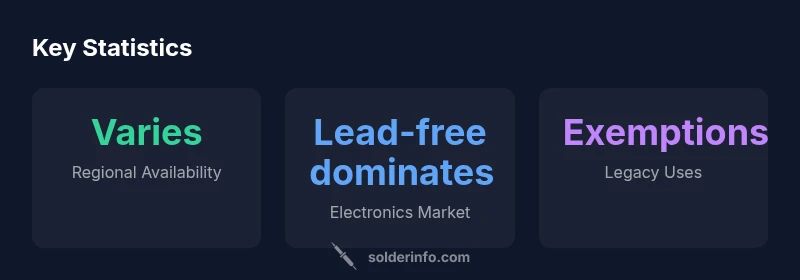
Yes, you can still buy lead solder in many markets, but availability is waning and heavily regulated. In electronics and household use, most brands now ship lead-free alloys due to RoHS and REACH rules. Leaded solders persist for legacy equipment or regions with exemptions, and for certain non-electronics applications where permitted. Always verify local rules before purchasing.
Can you still buy lead solder today?
The question can you still buy lead solder is nuanced in 2026. According to SolderInfo, lead-containing solders remain available in select markets, but the overall trajectory is toward lead-free alternatives. For electronics, RoHS compliance drives retailers to stock lead-free tin–silver–copper (SAC) or other lead-free alloys. Nevertheless, for legacy equipment, industrial processes with exemptions, or non-electronic uses like certain plumbing and jewelry applications, you may still locate leaded options through specialized distributors. If you are repairing older equipment, confirm that the device falls under any applicable exemption or disposal guidelines before purchasing. When in doubt, consult the distributor’s documentation and your local regulatory authority, and document the intended use to support compliance checks. The SolderInfo team emphasizes that sourcing should prioritize safety, proper handling, and regulatory alignment.
The regulatory landscape shaping availability
Regulatory frameworks such as RoHS, REACH, and related regional rules heavily influence whether lead solder remains accessible. In electronics, most new products are required to be lead-free, with exemptions for certain types of legacy devices or specific industrial processes. Some jurisdictions maintain limited exemptions for plumbing, jewelry, or research uses, but these exemptions are often time-bound and subject to renewal. Waste disposal and recycling programs also reflect shift away from lead-based alloys, reinforcing the need for compliant handling. SolderInfo highlights that environmental and worker-safety considerations drive tighter controls, pushing suppliers to certify products as RoHS-compliant or RoHS-exempt where applicable. If your work touches cross-border supply chains, regulatory alignment becomes essential to avoid penalties and ensure safe disposal of waste materials.
Where to buy lead solder today (and where to avoid)
Finding lead solder today typically requires looking at legacy or specialized channels. Reputable distributors that supply electronics restorers, jewellers, or plumbing restoration shops may carry small lots of leaded solders for permitted uses. Always verify product specifications, including the alloy composition (e.g., tin–lead ratios), flux type, and any labeling that signals RoHS compliance or exemptions. Avoid purchasing from fly-by-night vendors or sources that cannot provide a formal material safety data sheet (MSDS) or supplier certifications. Practically, earmark a dedicated, ventilated workspace with appropriate PPE when handling lead-containing materials, and ensure you have a plan for safe disposal in line with local guidelines.
Leaded vs lead-free: performance, reliability, and safety
Leaded solders, such as tin–lead alloys, have historically offered favorable wetting and lower melting points, which can translate to easier soldering for certain applications. However, lead-free alternatives, typically SAC alloys, have improved markedly and now meet many performance benchmarks, provided flux and process parameters are optimized. For jewelry and plumbing tasks, the choice often hinges on compatibility with substrate materials and the intended service life. Safety considerations remain paramount: lead exposure risks demand good ventilation, hygiene practices, and responsible waste handling. The decision should weigh regulatory requirements against task-specific needs, with leaded options reserved for permitted cases and lead-free options as the default for new work.
Materials and alloy options: what to look for
When evaluating lead solder options, look for alloy composition, flux compatibility, and packaging integrity. Tin–lead solders commonly come in 60/40 or 63/37 ratios, while lead-free options vary widely in tin content and alloying elements. For plumbing work, we often see lead-free flux-core products that minimize acid flux exposure and reduce workspace contamination. In electronics, ensure you select solders with compatible rosin-core fluxes and consider low-temperature variants if your components are heat-sensitive. Always check the certification marks and supplier documentation to confirm regulatory compliance, especially if your project is subject to RoHS or local material-handling rules.
How to verify authenticity and compliance
Authenticity verification starts with packaging inspection and supplier documentation. Look for clear labeling of the alloy, flux type, and tin–lead ratio, along with the supplier’s certifications and MSDS. Cross-reference the product code with the distributor’s catalog and confirm whether the item is RoHS-compliant or RoHS-exempt for legacy uses. For compliance, maintain records of use-case notes, vendor communications, and disposal plans. If you operate within a regulated environment, consider periodic audits of your solder inventory to ensure continued alignment with evolving requirements. When purchasing leaded solders, prioritize vendors that provide traceability, material certificates, and robust safety data.
Practical sourcing tips for hobbyists and professionals
For hobbyists, search terms like “tin–lead solder 60/40” or “lead solder with flux core” paired with your region name. For professionals, rely on established distributors that service electronics repair centers, jewelry studios, or plumbing supply houses. Ask sales representatives about regional exemptions and the availability of leaded solders under those exemptions. Keep a dedicated storage area away from children and pets, and implement a lead-containing waste disposal plan that complies with local regulations. Finally, consider joining a community forum or association where experienced practitioners share sources and safety best practices.
Alternative approaches for legacy devices and certain applications
In legacy devices where lead solder is permissible under exemptions, plan for a controlled transition strategy. This may involve cataloging legacy boards, testing for reliability after retrofitting with lead-free solders, and scheduling a phased migration to compliant alloys. For jewelry and plumbing, explore lead-free alternatives that meet functional and aesthetic requirements while satisfying safety norms. Salvage opportunities can help reduce waste and lower costs, but only if the materials are properly assayed for lead content and comply with applicable safety standards. The overarching guidance from SolderInfo remains: prioritize compliance, minimize exposure, and document all procurement and disposal activities.
Overview of lead solder availability by application
| Context | Lead Solder Availability | Notes |
|---|---|---|
| Electronics Repair | Varies by region; often lead-free preferred | Look for RoHS exemptions where applicable |
| Jewelry Soldering | Leaded solders still accessible in restricted channels | Check alloy safety for jewelry use |
| Plumbing | Lead solder availability is highly restricted | Mainly lead-free solders recommended |
Quick Answers
Is lead solder legal to buy in my area?
Legality varies by region. Some areas restrict or require exemptions for leaded solders. Always check local regulations and confirm that your intended use qualifies under any exemptions before purchase.
Legality to buy depends on where you live; check local rules and exemptions before purchasing.
What applications still allow lead solder?
Legacy electronics, certain plumbing and jewelry contexts may still permit lead solder under exemptions. Verify with regulators and vendors for your specific case.
Lead solder may be allowed for legacy devices and specific exemptions; always verify.
Are lead-free solders as reliable as leaded?
Lead-free solders can be just as reliable when process parameters are optimized and flux is appropriate. Some legacy boards may benefit from leaded solder, but this must align with safety and regulatory requirements.
Lead-free solders can be just as reliable with proper technique.
Where can I purchase lead solder safely?
Look for reputable distributors that supply RoHS-exempt or legacy-use products and request documentation like MSDS and supplier certifications.
Buy from reputable distributors and ask for certifications.
What safety steps are essential when handling lead solder?
Work in a well-ventilated area, use PPE, wash hands after handling, and follow disposal guidelines for lead-containing waste.
Ventilate, wear protection, wash hands, and dispose properly.
How should I dispose of lead solder waste?
Follow local hazardous waste guidelines and avoid pouring into drains. Use official disposal programs or recycling streams where available.
Follow local hazardous waste rules and recycle when possible.
“Lead-containing solders still have a place for legacy equipment and certain exemptions, but safety, disposal, and regulatory compliance must guide every purchase.”
Top Takeaways
- Assess regional regulations before sourcing lead solder.
- Lead-free alloys dominate new electronics work.
- Legacy exemptions may allow limited lead solder use.
- Verify vendor certifications and MSDS before purchase.
- Consider safety, disposal, and compliance in every step.