What to Solder Copper With: A Practical DIY Guide
Learn the right solder, flux, and techniques for copper soldering across plumbing, electronics, and jewelry. This SolderInfo guide covers materials, tools, safety, and a step-by-step method to create strong, leak-free joints.


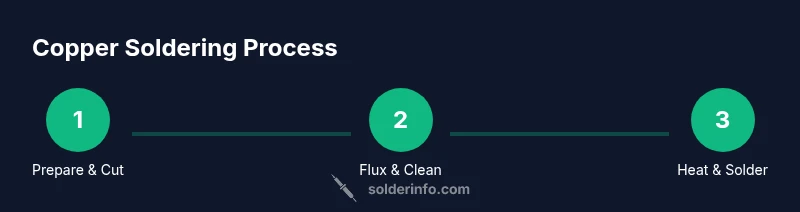
To solder copper, use lead-free tin-based solder with flux, heated by a propane or micro-torch. Clean and dry the copper, then heat evenly and feed solder into the joint until it flows. This method suits plumbing, electronics, and copper jewelry when you select the right solder and flux. According to SolderInfo, surface prep and proper heat control are essential for durable joints.
Copper Soldering Basics
Soldering copper is a versatile skill used in plumbing, electronics, and jewelry. The central idea is to create a metallic bond between copper surfaces by heating a compatible solder so it flows into the joint. If you ask what to solder copper with, the common choice is a lead-free tin-based solder used with flux to prevent oxidation. For plumbing, you typically use copper-pipe solder and rosin-flux; for electronics and jewelry you’ll choose rosin-core solder or flux paste and adjust heat carefully. According to SolderInfo, success starts with clean surfaces, dry joints, and controlled heat, not brute force. The copper must be dry, bright, and free of oil or oxide before applying heat; otherwise the solder won’t flow, and the joint will be weak. A good copper joint relies on the right balance: enough heat to melt the solder, but not so much that the copper anneals or the flux burns away. You’ll often pre-fit the parts to ensure a snug joint and minimize the amount of solder needed. The goal is a smooth, continuous fillet around the joint that sheds moisture and resists leaks. The steps that follow expand on material choices, technique, and safety.
Flux and Surface Preparation
Flux is essential to prevent oxidation and to help solder flow. For copper, choose rosin flux for plumbing and electronics flux when used with rosin-core solder. Clean surfaces with an emery cloth, brass brush, or a dedicated copper cleaner, then wipe dry. If copper is heavily oxidized, scrub more aggressively and re-clean before applying flux. Apply flux evenly on both mating surfaces; avoid pooling flux in the joint’s center. For jewelry or delicate electronics, use a flux paste or a precise flux pen to control coverage. Keep your work area well-ventilated to avoid inhaling fumes from flux and heated copper.
Solder Alloys and Flux Types for Copper
Lead-free solders are the standard for plumbing copper and many electronics projects, while rosin-core solders are favored for hobby electronics and jewelry. Choose a solder alloy compatible with your application: plumbing-grade copper-pipe solder is designed to bond with copper pipe fittings, while rosin-core or paste flux works smoothly with fine copper wires or jewelry pieces. In all cases, select a flux that matches your solder type and avoid aggressive acids on copper surfaces that can corrode over time. The flux acts as a cleaning agent and heat-activated conduit for the solder, forming a reliable metallurgical bond when you heat at the right temperature. Remember: too much heat can damage nearby components or fittings, while too little heat leaves a cold joint that leaks. Soldering copper requires balancing temperature control with solder flow to create a durable joint that lasts years.
Tools and Setup for Copper Soldering
Prepare a clean, dry workspace with good ventilation. Gather a propane or micro-torch, safety glasses, heat-resistant gloves, emery cloth, a pipe cutter, deburring tool, flux, solder, and clamps or helping hands. A pre-fit joint, with cut copper ends deburred, makes the operation smoother and minimizes solder usage. Set up the torch with a focused flame and practice controlling heat so the flux begins to sizzle just before the solder flows. Keep water or a damp rag handy to cool the joint after soldering and to wipe excess flux away. Use a heat shield or stand to protect nearby materials and prevent accidental burns. The goal is precise, controlled heat to avoid overheating the copper while achieving a clean fillet.
Common Scenarios: Plumbing, Electronics, Jewelry
Plumbing: Soldering copper pipes involves clean cuts, deburred ends, flux application, and heat-driven flow of lead-free solder into the joint. Electronics: Copper wires and small copper components require careful heat control to avoid scorching insulation; use flux and a fine solder alloy. Jewelry: Copper jewelry benefits from flux-applied joints and careful heat management; consider flux paste and a smaller torch tip for precision. In all cases, ensure joints are dry, clean, and pre-fit before applying heat. When in doubt, test-fit first to minimize rework and ensure a leak-free result that lasts.
Troubleshooting and Maintenance
If a joint fails to flow, check that both surfaces are clean and completely dry, and that the flame is hot enough without overheating. A cold joint is usually caused by insufficient heat or flux decomposition; reheat while gently feeding solder to the joint until it flows. Flux that has burned away or lost its activity can also cause poor wetting; reapply flux and reheat as necessary. After cooling, wipe away flux residue and test the joint for leaks before full system pressurization. For delicate jewelry work, inspect the joint under magnification and ensure a smooth, uniform bead without pits or gaps.
Authority Sources
For safety and best practices, consult credible sources such as OSHA standards for workplace safety (https://www.osha.gov), energy and building guidelines (https://www.energy.gov), and standards on materials and testing (https://www.nist.gov). These sources provide general safety guidelines and testing approaches that complement hands-on practice with copper soldering. Always follow local codes when working on plumbing installations and use materials approved for potable water.
Tools & Materials
- Copper pipe (cut to length)(Ensure ends are square and deburred for best flow)
- Flux(Rosin flux or paste flux suitable for the solder type)
- Lead-free solder(Choose plumbing- or electronics-grade as appropriate)
- Soldering torch(Propane, MAPP, or butane; maintain safe flame size)
- Emery cloth or sanding block(Use to clean and brighten copper surfaces)
- Pipe cutter(Cuts square; have a deburring tool ready)
- Deburring tool(Remove burrs to prevent joint misalignment)
- Safety gear(Safety glasses and heat-resistant gloves)
- Clamps or helping hands(Optional to hold fittings steady during soldering)
- Wet rag or brush(Clean flux residue and cool joints after soldering)
Steps
Estimated time: 60-90 minutes
- 1
Prepare workspace and safety gear
Set up a ventilated area, wear safety glasses and gloves, and lay out all tools. This reduces risk of burns and inhalation of fumes. Have a damp rag ready for flux cleanup.
Tip: Always start with a dry, clean surface and clear space around the joint. - 2
Cut copper to length
Use the pipe cutter to make a clean, square cut. Deburr the inside and outside of the cut end to prevent turbulence and solder snags.
Tip: A straight cut ensures better alignment and a reliable seal. - 3
Clean and dry surfaces
Rub both mating surfaces with emery cloth until they shine. Wipe away dust with a dry cloth and ensure surfaces are completely dry before fluxing.
Tip: Moisture at the joint can prevent solder from flowing properly. - 4
Apply flux evenly
Brush or apply flux to both joint faces, avoiding excessive pooling. Flux helps prevent oxidation and guides the solder into the joint.
Tip: Use just enough flux to cover the surface without flooding the joint. - 5
Fit the joint and preheat
Dry-fit the assembly first. Position coils and fittings and begin preheating the joint with the torch, moving heat evenly around the joint.
Tip: Keep the heat moving to prevent overheating the copper. - 6
Apply solder to the joint
Touch the solder to the heated joint and allow it to flow around the joint. Feed solder gradually until a continuous fillet forms.
Tip: Avoid melting solder away from the joint by overheating near plastics or insulation. - 7
Cool, wipe flux, and check
Allow the joint to cool naturally, then wipe away flux residue with a damp cloth. Inspect for a smooth, uniform bead and look for any gaps.
Tip: Do not move the joint during cooling to prevent cold joints. - 8
Test for leaks
Pressurize the line with water and observe for leaks. If leaks appear, reheat and re-solder the joint after drying it thoroughly.
Tip: Always test after cooling to verify joint integrity.
Quick Answers
What is the best solder for copper pipes?
Lead-free solder is recommended for copper plumbing. Pair it with appropriate flux and ensure joints are clean for a reliable seal.
For copper plumbing, use lead-free solder with flux and clean joints.
Do I need flux for copper soldering?
Yes. Flux prevents oxidation and helps the solder flow into the joint. Always apply flux to copper surfaces before heating.
Yes, flux is essential for good solder wetting and joint strength.
Can I use a torch near flammable materials?
Always work in a well-ventilated area, away from flammables, and use heat shields as needed. Keep a fire extinguisher nearby.
Be safe: keep the area clear of flammables and wear protective gear.
How can I test for leaks after soldering copper joints?
Pressurize with water or inert gas and inspect for drips or a drop in pressure. Re-solder any suspect joints.
Fill with water and check for leaks under pressure.
Is lead content solder safe for copper plumbing?
Use lead-free solder for plumbing to avoid lead in potable water. Always verify material compliance with local codes.
Lead-free solder is the safe choice for drinking-water systems.
What’s the difference between flux-core and non-flux solder for copper?
Flux-core solder contains flux; non-flux requires external flux. For quick work, flux-core is convenient, but still clean the joint thoroughly.
Flux-core solder is convenient, but you still need clean joints and proper heat.
Watch Video
Top Takeaways
- Prepare and clean copper surfaces before soldering.
- Choose lead-free solder with appropriate flux for copper work.
- Heat evenly and feed solder into the joint until it flows.
- Test joints for leaks after cooling.