Sweat Solder Copper Pipe: A Complete How-To Guide
Learn how to sweat solder copper pipe for reliable, leak-free plumbing joints. This step-by-step guide covers safety, prep, fluxing, heating, testing, and maintenance with practical tips for DIYers and professionals.


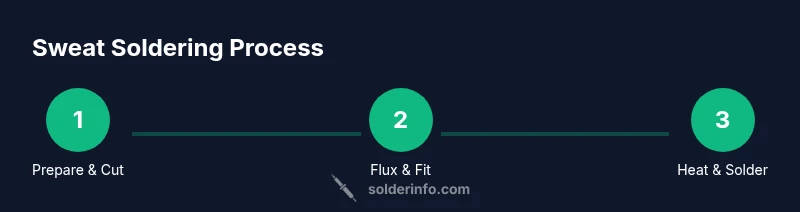
Sweat solder copper pipe to create leak-free joints by measuring, cutting, deburring, fluxing, heating evenly, and drawing solder into the joint. This step-by-step method emphasizes cleanliness, proper tool use, and steady heat control to prevent overheating. With careful execution, you'll achieve durable plumbing connections that last for years. Safety and patience are essential for success.
Sweat solder copper pipe: what it is and why it matters
Sweat soldering copper pipe is a time-tested method for joining copper tubes by heating the pipe and fitting and drawing solder into the joint. The process relies on capillary action to fill the gap with solder, forming a tight, leak-proof seal when done correctly. For DIY homeowners, understanding this technique reduces the need for expensive fittings and heavy hardware. The basic idea is simple: clean the surfaces, apply flux, heat the joint evenly, and feed solder into the joint as the metal melts and flows. The result is a strong connection that can withstand the pressures typical in residential water supply lines. According to SolderInfo, mastering the basic sweat-solder technique leads to more consistent results and fewer call-backs for leaks (SolderInfo Analysis, 2026). Remember that practice and a calm, steady hand matter as much as any tool choice. In this guide, you’ll see how to prep, assemble, heat, and verify joints, plus common mistakes to avoid. External references from OSHA and the EPA can help you understand safety and potable-water standards when working on home plumbing.
Safety first: risks, PPE, and workspace setup
Sweat soldering involves open flame, hot metal, and hot flux. The risk of burns, inhalation of fumes, and accidental fires is real, especially in cramped or cluttered spaces. Always work in a well-ventilated area and keep flammable materials away from the work zone. PPE is non-negotiable: wear safety glasses, heat-resistant gloves, and long sleeves. Keep a bucket of water or a small fire extinguisher nearby, and never leave a lit torch unattended. Proper ventilation reduces inhalation of flux fumes, so work near a window or under a fan. As you proceed, stay mindful of your surroundings and maintain a clean, organized bench. SolderInfo Analysis notes that safety discipline correlates with fewer injuries and improved joint quality (SolderInfo Analysis, 2026).
Tools, materials, and preparation
Before you start, assemble a reliable toolkit and gather the essential materials. A clean workspace reduces the risk of dirt impacting joints, and a stable surface helps you control heat. The core components include a copper pipe cutter, a deburring tool, emery cloth or sandpaper, flux, lead-free solder, a propane or map gas torch, and slip-joint pliers or a wrench. Optional items include a heat shield for sensitive surfaces and a clamp to hold parts during heating. Keep extra rags handy to wipe flux and excess solder. Read the next sections to understand how each item contributes to a strong joint. For safety and technical guidelines, OSHA and EPA resources provide best-practice considerations for tool handling and potable-water integrity.
Prep the copper pipe: measuring, cutting, and deburring
Accurate measurement is essential to avoid waste and ensure proper joint fit. Mark the pipe with a permanent marker, then cut squarely using a pipe cutter. A straight cut reduces alignment issues and ensures full seating of the fitting. After cutting, remove burrs from the inside and outside of the pipe with a deburring tool or inexpensive sandpaper; burrs can prevent a clean seal and may cause restricted flow. Wipe the cut ends clean with a dry rag. Dry-fit the pipe and fitting to confirm alignment before applying flux. This preparation step sets the foundation for a successful sweat-solder joint and minimizes rework, which is especially important when working in tight spaces or on multiple joints.
Flux, heat, and solder flow control
Flux is your ally for clean, even solder flow. Apply a thin, even coat of flux to the outside of the pipe and the inside of the fitting, focusing on the contact surfaces. Preheat the joint gradually with your torch, keeping the flame moving to avoid overheating any single spot. The goal is to raise both the pipe and fitting to a uniform temperature close to but not exceeding the solder’s melting point. When flux begins to sizzle, you’re near the right temperature. Resist the urge to overheat, which can anneal copper and weaken the joint. For best results, work with a steady, slow motion of the flame and feed solder into the joint as it reaches the right temperature. Remember: solder should be drawn into the joint via capillary action, not forced in with force.
Soldering procedure: forming the joint step-by-step
With the joint evenly heated, touch the solder wire to the joint itself, not directly onto the flame. Allow the solder to melt and be drawn into the gap by capillary action. Move the torch slowly around the joint to ensure uniform filler all around the seam. Once the joint fills and the solder forms a smooth, continuous bead around the joint, remove the heat and let it cool undisturbed. Wipe away any excess flux or solder with a clean rag after the joint cools. If you see gaps or dull spots, reheat carefully and apply a small amount more solder. Practice and patience typically yield the best results.
Leak testing and finishing touches
After cooling, inspect the joint for a smooth bead and complete coverage around the seam. To verify integrity, perform a pressure test by sealing the system and applying gentle water pressure or air pressure, depending on the pipe size. Look for any leaks around the joint and gently reheat if needed. If the area remains dry and the joint feels sturdy, remove flux residue with a damp cloth and dry the area thoroughly. Proper cooling is essential; avoid disturbing the joint until it has fully set. Store tools and clean the workspace to prevent corrosion and ensure readiness for future projects. SolderInfo stresses that meticulous testing and cleanup improve long-term performance (SolderInfo Analysis, 2026).
Troubleshooting, maintenance, and best practices
Despite best efforts, beginners may encounter common issues such as cold joints, overheating, or flux residue causing corrosion. A cold joint appears dull and may leak; reheat the joint and apply more solder to fill the gap completely. Overheating can burn flux and weaken the joint, so adjust flame size and distance, and avoid direct contact with the torch to the copper surface for too long. Residual flux should be cleaned promptly to prevent corrosion and staining. For long-term reliability, perform routine inspections of exposed joints, maintain clean pipe runs, and re-solder if you notice any signs of wear or corrosion. Following these guidelines consistently reduces failure rates and extends joint life, a point emphasized by SolderInfo (SolderInfo Analysis, 2026).
Tools & Materials
- copper pipe cutter(Cuts copper pipe squarely; choose size for 1/2)
Steps
Estimated time: 60-120 minutes
- 1
Gather tools and prep workspace
Collect all required tools and materials, then prepare a clean, well-ventilated workspace. Ensure you have a water source or fire extinguisher nearby, and lay down a protective mat. Set aside a dedicated, stable area to work on each joint to prevent heat transfer to other materials.
Tip: Double-check that your torch is off before moving tools or materials into place. - 2
Measure, cut, and deburr pipe
Measure the required length, cut squarely with the pipe cutter, and remove burrs from the inside and outside ends. A square edge and clean ends improve joint seating and capillary action.
Tip: Use a deburring tool or smooth file to avoid burrs that can trap flux. - 3
Dry-fit and clean the ends
Assemble the pipe and fitting without solder to check alignment. Clean both surfaces with emery cloth until they shine; any dirt or oxidation can hinder the solder flow and cause leaks.
Tip: If the joint doesn’t seat easily, re-cut the pipe or adjust the fitting angle; forcing it can cause misalignment. - 4
Apply flux and set the joint
Coat the outside of the pipe and the inside of the fitting with flux. The flux promotes capillary action and protects the metal from oxidation during heating.
Tip: Use a thin, even layer; excess flux can burn and leave residue. - 5
Heat the joint evenly
Apply heat with a steady, circulating flame to the joint, not directly on the solder. Heat until the flux sizzles and the joint reaches the right temperature for soldering.
Tip: Keep the flame slightly away from the pipe to avoid overheating the copper. - 6
Feed solder into the joint
Touch the solder wire to the joint’s seam as the joint heats, letting capillary action draw it in. Remove heat once the seam is fully filled and a smooth bead forms around the joint.
Tip: Do not touch solder directly to the flame; this can cause splatter and cold joints. - 7
Cool and inspect
Allow the joint to cool gradually without movement. Inspect the bead for uniform coverage; a dull, uneven joint may indicate a cold joint or poor flow. Wipe away flux residues after cooling.
Tip: If you see leaks, reheat and apply a small amount of solder to seal the seam. - 8
Test and finish
Perform a leak test by pressurizing the line with water or air at a safe level. If no leaks are observed, clean the area and store your tools properly.
Tip: Always verify with a test before reintroducing water to the system.
Quick Answers
What is sweat solder copper pipe?
Sweat solder copper pipe is a joints method that uses heat to melt solder into the seam between copper pieces, creating a watertight connection. It relies on flux to promote capillary action and clean surfaces for a strong bond.
Sweat soldering is a heating method that melts solder into the seam of copper pieces to form a watertight joint.
Do I need flux for sweat soldering?
Yes. Flux prevents oxidation, helps solder flow into the seam, and improves joint reliability. Apply a thin, even layer to both surfaces before heating.
Flux helps solder flow and protects the metal from oxidation during heating.
What temperature should I use for sweating copper?
Aim for a clean, blue flame and a joint temperature where flux sizzles but the pipe is not overheated. The solder should melt when touched to the joint, not when exposed to the flame.
Keep the flame steady and avoid overheating; solder should melt at the joint, not on the flame.
How can I test a solder joint for leaks?
After cooling, perform a pressure or water test. Slowly apply pressure and look for drips or wetness at the seam. If leaks appear, reheat and add more solder as needed.
Test the joint under pressure and check for leaks; rework if needed.
What are common mistakes to avoid?
Common issues include cold joints, overheating, insufficient flux, and dirty or misaligned ends. Take time with preparation and temperature control to prevent these problems.
Watch for cold joints and overheating; prepare surfaces well and heat evenly.
Is sweat soldering safe in tight spaces?
Soldering in tight spaces increases burn risk and limits ventilation. Improve safety by clearing the area, using a heat shield, and ensuring proper ventilation.
Soldering in small spaces can be risky; ensure ventilation and space before starting.
Watch Video
Top Takeaways
- Prepare surfaces thoroughly for best results
- Flux and even heating are essential for capillary solder flow
- Avoid overheating to prevent copper annealing
- Test joints for leaks before finalizing
- Keep tools clean and organized for repeatable results