How to Solder Fittings: A Comprehensive Plumbing Guide
Learn step-by-step how to solder fittings for copper plumbing, covering prep, flux selection, heat control, and common fixes to ensure leak-free, durable joints.


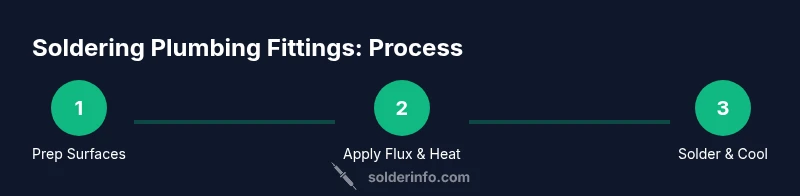
Mastering how to solder fittings starts with solid material prep, clean surfaces, proper flux, and even heat control. You’ll dry-fit first, apply flux to the joints, heat evenly, and feed lead-free solder into the seam until capillary action seals the joint. With steady technique, patience, and a safety-first approach, leak-free copper connections are within reach.
Material Basics for Plumbing Soldering
In residential plumbing, copper pipe and copper fittings are standard. Before you solder, confirm the pipe size (for example, 1/2 in, 3/4 in) and select compatible fittings. Use lead-free solder for potable water lines and a compatible flux. The joint quality depends on material choice: pipe, fittings, flux, and solder must all be suited for the same application and temperature. Keep a few fitting types on hand: elbows, tees, couplings, and union fittings, so you can adapt to layout. Plan a dry-fit first to ensure all pieces align and there are no gaps. The surface should be bright and clean, free of oxidation. Oxidized surfaces require more flux and heat to achieve proper wetting. According to SolderInfo, proper prep, flux, and heat control are the keys to durable solder joints.
Surface Preparation: Cleaning and Drying
Proper surface prep is the foundation of a strong solder joint. Start by cutting the pipe square with a sharp cutter, then deburr the inside and outside edges with a deburring tool until the ends are smooth. Wipe both surfaces clean with a dry cloth to remove oil or fingerprint residues. Lightly brush the outside of the pipe end and the inside of the fitting to remove oxidation; this improves wetting. Dry-fit all parts before fluxing; any movement during heating can create gaps or leaks. Finally, ensure the area is completely dry; moisture can cause steam pockets and weaken the joint.
Flux and Solder Options for Plumbing
Flux serves two purposes: it cleans the metal surface during heating and helps solder flow into the seam by capillary action. For potable water lines, choose a lead-free flux or rosin-based flux recommended for plumbing. Apply a thin, even coat to the outside of the pipe end and the inside of the fitting where they will touch. Do not flood the joint; excess flux can burn and cause corrosion. In terms of solder, use a lead-free alloy compatible with copper; common choices are tin-based solders designed for plumbing. There are flux-core wires and paste flux—paste flux is often easier to control for tight joints. If you must work in cramped spaces, consider flux-only preparation or a flux-assisted approach to minimize heat transfer. Always check local codes for approved materials; some jurisdictions require specific flux types or alloys for drinking water systems. SolderInfo analysis notes that using lead-free solder and correct flux improves joint integrity.
Cleaning and Fit-Up: Getting a Leak-Free Joint
Dry-fit the pipe and fittings to verify fit and alignment. Mark the insertion depth and ensure the seat is fully seated without gaps. Wipe away moisture; even a small moisture spot can turn into steam and blow out the joint. Apply flux to the outside pipe end and inside the fitting; avoid applying flux to the entire joint at once, which can cause pooling. Slide the joint together and twist slightly to spread flux evenly. The joint should be straight and free of cross-thread or misalignment before heating.
Heat Application: Achieving a Proper Solder Flow
Light the torch and set flame to a small, steady size. Begin heating the outside of the fitting and pipe evenly, moving the flame in a circular or sweeping motion; do not concentrate heat on one spot, which can burn flux or soften brass/metal too quickly. When the metal is hot enough, test with a small amount of solder near the joint; the solder should melt and flow into the seam by capillary action. If you see scorching or flux burning, back off heat slightly and let the joint equalize. Maintain a clean, dry joint during heating; moisture or oil can ruin the bond. For best results, keep the joint moving to avoid heat buildup in any one area.
Applying Solder Correctly: Capillary Action and Guarding Against Overheating
Feed solder into the joint from the opposite side of the heat source; allow capillary action to draw solder into the seam, and avoid placing solder directly on flame as this can cause overheating. Once the seam is filled and a smooth, even ring of solder appears around the joint, remove the heat and allow the joint to cool undisturbed for a few moments. Wipe away excess flux with a damp cloth after cooling; inspect for gaps or pinholes. If the joint looks dull or gray instead of bright metal, reheat minimally and apply a little more solder, ensuring you do not overfill the joint. Always maintain ventilation when heating flux materials.
Common Mistakes and Fixes
Common mistakes include overheating, which causes oxidation and weak joints; insufficient flux, which leads to dry joints; and misalignment that results in leaks. To fix, disassemble, clean components, apply fresh flux, and reheat with even heat. For stubborn gaps, re-cut the pipe, deburr, and resolder. If you suspect a leak after cooling, perform a dye test or soap-bubble test under pressure; rework if needed. Practice on scrap pieces to build consistent heat control and flux application before working on critical lines.
Safety and Code Considerations
Always wear eye protection and heat-resistant gloves when using a torch. Work in a well-ventilated area; a hood or open window helps. Keep flammable materials away from the workspace and never leave a lit torch unattended. Follow local plumbing codes for material approvals, pressure testing, and pipe mounting. Maintain a tidy workspace to avoid accidents. SolderInfo emphasizes safety and code compliance as foundational to successful soldering projects.
Troubleshooting Leaks and Joints
If a joint leaks after cooling, re-clean, re-flux, reheat, and re-solder. If there is no capillary flow, ensure the area was properly fluxed and heated evenly. A solder joint that won’t bond to copper may indicate surface contamination or insufficient heat; re-clean, re-Flux, and reheat with steady heat. For a cold joint, rework the process with a clean surface and steady heat until the solder fully wets the joint. When joints look frothy or pitted, re-clean, re-flux, and re-solder with careful heat management.
Tools & Materials
- Copper pipe cutter(Cuts cleanly; choose appropriate size for your pipe)
- Deburring tool(Remove burrs from cut ends to ensure a smooth fit)
- Sandpaper or wire brush(Scuff oxide; improve solder wetting)
- Lead-free flux (plumbing flux)(Applies a thin coat to aid flow and prevent oxidation)
- Lead-free solder for plumbing(Tin-based alloy suitable for potable water systems)
- Propane (or MAPP) torch(Steady heat source; flame should be small and controllable)
- Torch stand/tongs(Useful for safety and stability)
- Safety goggles(Protect eyes from hot solder and flux fumes)
- Heat-resistant gloves(Protect hands during heating)
- Dry cloths/rags(Wipe flux and moisture from surfaces)
- Pipe fittings (elbows, tees, couplings)(Have a selection on hand for the job)
- Marker or deburr gauge(Mark insertion depth for precision)
Steps
Estimated time: Total time: 25-40 minutes
- 1
Measure and cut pipe
Measure the required length and cut the copper pipe square with a sharp cutter. A square cut ensures full seating against the fitting and reduces leaks. Deburr if needed.
Tip: Always cut a little longer and trim to final length after dry-fitting. - 2
Deburr and clean ends
Use a deburring tool to remove burrs from the cut end and ream the inside edge. Clean both outside and inside surfaces with a dry cloth to remove oils. Oxidation on the metal should be minimized before fluxing.
Tip: A clean edge helps ensure solder wets the joint uniformly. - 3
Dry-fit the joint
Assemble the pipe and fittings without solder to confirm alignment and insertion depth. Check for line sag or misalignment that could cause leaks after soldering.
Tip: Mark the insertion depth to avoid over- or under-fitting. - 4
Apply flux to joints
Coat the outside of the pipe end and inside of the fitting with a thin, even layer of flux. Avoid pooling flux, which can trap moisture and hinder wetting.
Tip: Flux should be visible as a thin film around the joint. - 5
Heat the joint evenly
Apply heat to the joint with a steady, circular motion; keep the flame moving to avoid hotspots. Heat the fitting first, then the pipe, to promote even heating and capillary action.
Tip: If flux starts to burn, back off heat slightly and resume a gentler pass. - 6
Apply solder to the seam
Touch the solder to the heated seam, not directly to the flame. The solder should melt and flow into the seam by capillary action. Stop feeding when the seam is fully filled.
Tip: Maintain a smooth motion; don’t rush the feed. - 7
Cool and inspect
Allow the joint to cool naturally without disturbance. Wipe away flux residue and inspect for uniform coverage and a bright, smooth finish.
Tip: A dull or gray seam may indicate insufficient heat or flux. - 8
Pressure test the joint
After cooling, test the joint at pressure or with a water test. Look for any signs of leakage or weeping around the seam.
Tip: If leaks appear, rework the joint with fresh flux and solder. - 9
Clean up and store tools
Turn off and cool equipment safely. Wipe down any flux residues on tools and store in a safe location away from flames.
Tip: Keep a tidy workspace to prevent accidental burns.
Quick Answers
Is flux required for every solder joint?
Flux helps prevent oxidation and aids solder flow, so it is essential for a good joint. Use a thin, even coat on all contact surfaces.
Flux is essential for a good solder joint because it prevents oxidation and helps solder flow.
What is the best solder for potable water?
Use a lead-free solder designed for plumbing and follow local codes regarding materials and approvals for drinking water systems.
Lead-free solder designed for plumbing is recommended for drinking water systems.
Can I reuse fittings after a bad joint?
If a joint fails or is compromised, disassemble, re-cut the pipe ends, re-clean, re-flux, and re-solder to restore integrity.
If a joint is bad, re-cut, re-flux, and re-solder for a reliable seal.
How do I test for leaks after soldering?
Perform a pressure test or a water test and look for visible leaks or dampness around the joints. If leaks are found, rework the joint.
Test with pressure or water; rework any leaking joints.
What safety gear should I wear?
Wear safety goggles and heat-resistant gloves; ensure adequate ventilation when using flux and torch.
Goggles and gloves are essential; vent flux fumes properly.
Watch Video
Top Takeaways
- Prepare surfaces and materials before heating.
- Use lead-free flux and solder to meet codes.
- Heat evenly and feed solder with care to avoid leaks.
- Test joints under pressure or water to verify integrity.