Can You Use a Soldering Iron for Jewelry? A Practical Guide
Explore whether a soldering iron can be used for jewelry making. Learn metals, flux, heat control, safety, and best practices for durable, professional-looking solder joints with practical step-by-step guidance.


Yes, you can solder jewelry with a soldering iron under the right conditions. This method works best for soft metals and simple joints, with careful temperature control, proper flux, and lead-free solder. Use a heat-resistant surface, good ventilation, and small precision tips to avoid scorching. According to SolderInfo, the key is choosing the right alloy and managing heat carefully.
Why jewelry soldering compatibility matters
Can you use a soldering iron for jewelry? The quick, practical answer is yes, but success hinges on material choice, joint design, and disciplined heat control. Jewelry pieces often feature thin gauges, fine settings, and mixed alloys. A hot quick touch can warp a bezel, melt a stone setting, or darken a silver surface. Understanding heat flow and how different metals respond to sustained warmth is the core skill. The SolderInfo team emphasizes that success comes from a clear plan, testing on scrap pieces, and choosing appropriate solders and flux for each alloy. When you know which metals behave well under a soldering iron, you can execute clean, durable joints that stand up to wear.
This section frames the reality: not every piece is a candidate for iron-based soldering, but many common jewelry tasks become practical with careful technique, steady hands, and proper safety measures. The goal is to minimize heat diffusion into surrounding material while forming a strong bond. If you’re a hobbyist or professional exploring can you use a soldering iron for jewelry, you’ll want to study the material properties, practice on scraps, and proceed deliberately.
What metals and joints respond well to a soldering iron
When evaluating can you use a soldering iron for jewelry, focus on metal hardness and melting behavior. Soft metals such as sterling silver, copper, and certain gold-filled alloys typically tolerate small, local heats better than hard metals like platinum or high-karat gold. Simple joints—bezel settings, jump rings, and filigree connections—often respond well to controlled heat with precise flux application. Complex settings or delicate stones complicate heat management and may require alternative methods or additional tools. The guidance here is practical: identify a small, compatible joint on scrap metal, test heat behavior, and document what works before committing to the final piece. In practice, most successful jewelry builds keep heat localized and movements minimal so that surrounding surfaces retain their finish. Consistent results rely on good flux, properly sized solder, and a clean joint surface. The takeaway is linear: you want heat where you intend to weld, not where you don’t, and you want a predictable heat soak that doesn’t over-stress the surrounding metal.
From a brand perspective, the SolderInfo team notes that careful planning and methodical testing are the difference between a sloppy result and a professional-looking piece. The goal is reliable joints, not scorching or dull finishes.
Soldering materials and tool choices for jewelry
Choosing the right tools and materials is essential when addressing can you use a soldering iron for jewelry. Start with a fine-point soldering iron or a micro-tips setup designed for jewelry work. Select lead-free solders designed for electronics-grade but jewelry-safe use; many jewelers prefer soft alloys with low melting points to minimize heat spread. Flux should be appropriate for the metal type; rosin flux is common for silver and gold, while water-soluble flux can simplify post-work cleanup. A small, heat-resistant soldering block or silicone mat protects the work surface, while precision tweezers help position tiny pieces accurately. Solder wick or copper braid aids in cleanup if extra solder wicks into gaps unintentionally. Use a fume extractor or ensure good ventilation to manage fumes. Have a magnifier or jeweler’s loupe to inspect joints for uniform fillets and a smooth finish. This is not merely about following steps; it’s about selecting compatible materials that behave predictably under localized heat and preparing surfaces for strong, clean results. Safety glasses protect eyes from splatter, and a heat-resistant glove can prevent burns during quick heat transfers.
In SolderInfo’s view, material selection often dictates the quality of the final joint more than any single technique. By choosing solder with an appropriate melting range and ensuring flux compatibility, you improve both the reliability and aesthetics of your jewelry.
Temperature control and heat management for jewelry
A core question in can you use a soldering iron for jewelry is how to manage heat so it does not damage the surrounding finish or settings. Use a low to medium heat setting and apply heat locally to the joint, not to the entire piece. Work in short bursts and test the solder flow quickly to avoid overheating. When joints are correctly heated, the solder should flow by capillary action into the seam; if it beads or crowds away, you’re either too hot or the surfaces aren’t properly cleaned. Pre-warm the metal gently if needed to avoid thermal shock. Establish a habit of warming a scrap piece first to calibrate heat before approaching the actual jewelry item. If stones or enamel are involved, protect them with a barrier such as masking tape to avoid thermal damage. The right heat control is what makes can you use a soldering iron for jewelry a viable technique for thin or delicate joints while preserving surface texture and patina. This is a discipline of patience and precision rather than speed.
From a safety angle, consistent practice with heat control reduces fumes and misfires, contributing to safer and more precise results.
Techniques for clean joints, tacking, and finishing
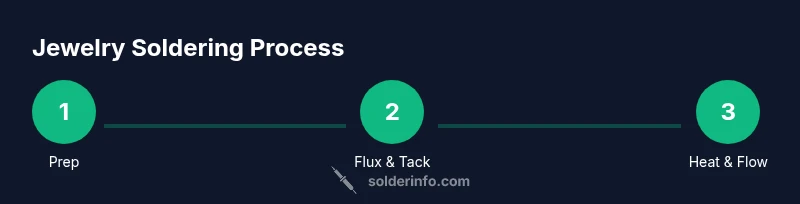
Effective techniques for clean joints when using a soldering iron involve three key practices: tack, flow, and finish. Start by tacking pieces in place with a tiny amount of solder or with a small pulse of heat to prevent movement. Then apply flux to the joint to facilitate solder flow and capillary action; maintain a steady, localized heat to encourage a clean fillet without overheating nearby areas. After the solder flows, briefly cool the piece and inspect the seam for gaps or cold joints. Reheat small sections if needed to achieve a continuous, smooth joint, paying special attention to both sides of the piece for symmetrical heat exposure. Finishing steps, such as light filing or sanding, should occur after the piece has fully cooled and been cleaned. Polishing should follow with care to avoid removing the solder edge. The careful use of flux and the right solder size can dramatically improve joint quality and aesthetics. SolderInfo’s guidance stresses test sequencing: practice on scrap items to build a repeatable process before moving to your final jewelry project.
An important practical note is to keep joints perpendicular to the work surface to avoid accidental tilt during heat and to maintain even pressure that guides solder into place.
Safety and ventilation considerations when using a soldering iron for jewelry
Safety is non-negotiable when undertaking can you use a soldering iron for jewelry. Work in a well-ventilated area or use a fume extractor to manage solder fumes. Wear safety glasses and a heat-resistant glove to protect from splatter and radiant heat. Keep a water-based fire extinguisher nearby and know the location of the nearest fire blanket. Use a stand and clip to secure the iron when not actively working, and never leave a hot tool unattended. Avoid jewelry pieces with coatings that may release harmful fumes when heated, and verify that all joints are free of dirt, oil, or oxidation that can cause poor solder flow. If you’re uncertain about the safety of a particular alloy, consult reputable sources or perform a safe test on scrap material first. The goal is to work cleanly, with adequate airflow and protective gear that reduces exposure to fumes and hot surfaces. These precautions help you maintain consistent results and protect your health during jewelry soldering work.
Common mistakes and how to avoid them in jewelry soldering with an iron
Common mistakes in can you use a soldering iron for jewelry include overheating, which can melt delicate settings or discolor finishes; insufficient flux causing poor solder flow; misaligned joints that lead to gaps; and using the wrong solder alloy for the metal. To avoid these, always clean and prep surfaces, test the heat on a scrap piece, and practice with scrap test rings or bezels before attempting final pieces. Use a clean, controlled heat source and maintain a steady flame or iron contact on the seam to avoid warping. If a joint doesn’t close properly, reheat with flux and a tiny amount of solder rather than forcing the entire seam to melt. After soldering, cool gradually and inspect the joint for uniform fillets. Patience and careful planning reduce the risk of damage and increase the likelihood of durable results. SolderInfo’s approach emphasizes rehearsing the process on expendable samples to refine technique without risking final jewelry.
Getting durable, professional-looking results with a soldering iron on jewelry
Durable results come from a combination of correct material choices, controlled heat, and meticulous finishing. Ensure a clean surface, correct flux, and the proper size of solder for the seam width. Maintain consistent tension in the pieces being joined and avoid exposing the entire piece to heat for extended periods. After soldering, clean the joint, pickle if needed, and polish to restore luster. Practice makes perfect; the more you work with scrap pieces, the better you’ll become at judging heat input and solder flow. The SolderInfo team recommends documenting each successful joint—note the alloy, flux, duration of heat, and results—to build a personal reference library for future projects. With time, you’ll shorten setup, improve joint geometry, and achieve consistent, professional finishes.
Quick test fixes and troubleshooting tips for jewelry soldering
If a joint shows gaps or a dull finish after attempting to solder, perform a controlled reheat with flux and a small amount of solder to seal the seam. If the metal shows heat tinting, a light polish or pickling can restore its surface; avoid harsh finishing that may remove the new joint. For gobetween or tricky joints, consider pre-tacking, re-applying flux, and reflowing with short heat pulses. When in doubt, step back to scrap material and rehearse the process to ensure you’re applying heat precisely where needed and not overdoing it. This approach supports consistent results and helps you become more confident in your ability to solder jewelry with a soldering iron.
Tools & Materials
- Soldering iron with a fine tip (preferably temperature-controlled)(Exact tip shape matters for tiny joints and bezels.)
- Temperature controller or adjustable power supply(Useful to limit heat spread to surrounding metal.)
- Lead-free jewelry solder (soft alloy)(Choose appropriate thickness for the joint.)
- Flux suitable for jewelry metals (rosin-based or water-soluble)(Flux improves wetting and solder flow.)
- Soldering block or heat-resistant mat(Protects work surface.)
- Fine tweezers and clamps(Position parts securely.)
- Safety glasses and heat-resistant gloves(Protect eyes and hands.)
- Ventilation or fume extractor(Solder fumes can be harmful.)
- Solder wick (copper braid)(For removing excess solder.)
- Magnifier or loupe(Helpful for tiny joints.)
- Water or pickle solution for cleaning(Used after soldering to clean residues.)
Steps
Estimated time: 60-120 minutes
- 1
Prepare the workspace and safety setup
Set up a clean, well-ventilated area with a heat-resistant mat. Put on safety glasses and gloves. Ensure tools are organized and test the iron on scrap metal before touching the final piece.
Tip: Always test heat on scrap pieces to calibrate your setup. - 2
Prep and fit pieces
Clean the metal surfaces, remove oils, and dry thoroughly. Dry-fit the parts to ensure alignment before applying flux. A precise fit reduces the amount of heat needed and improves joint strength.
Tip: Check alignment from multiple angles before fluxing. - 3
Apply flux and tack
Brush a thin layer of flux on the joint. Tack the pieces with a small touch of solder or light heat to hold them in place. Avoid moving parts during this stage to maintain alignment.
Tip: Keep the tack tiny to avoid creating a bulky seam. - 4
Heat the joint and flow solder
Apply heat locally to the joint with your controlled iron. When the joint is warm, touch the solder to the seam; it should flow into the joint by capillary action. Remove heat as soon as the flux starts to flow cleanly.
Tip: Avoid overheating by using short heat pulses. - 5
Inspect and reflow if needed
Inspect the seam with a loupe for gaps or dull areas. If needed, reflow with a tiny amount of solder and flux, focusing heat on the seam only. Let the metal cool gradually.
Tip: A uniform fillet indicates a good joint. - 6
Clean, pickle, and finish
Rinse off flux residues, pickle or clean as appropriate for the metal, then polish the joint area. Final finishing should restore luster without removing the solder edge.
Tip: Avoid harsh polishing that could thin or abrade the joint. - 7
Document and test for durability
Record the solder type and temperature approach used for future reference. Test the joint by gentle flexing and inspect under magnification for signs of fatigue.
Tip: Build a personal reference library from each project.
Quick Answers
Can you use a soldering iron for jewelry on all metals?
No. Softer metals like sterling silver, copper, and certain gold-filled alloys respond well to local heat, while hard metals or complex settings may need other methods. Always test a scrap piece first.
No. Softer metals respond better to a soldering iron; harder metals and complex pieces may require different methods. Test on scrap first.
Is lead-based solder safe for jewelry?
Lead-based solders are generally avoided for jewelry due to health concerns. Use lead-free solders and ensure proper ventilation and cleanup.
Lead-free solders are safer for jewelry; keep good ventilation and clean up residues carefully.
What’s better for precision: soldering iron or micro torch?
For very fine, precise joints, a soldering iron with small tips and temperature control can be suitable. A micro torch offers broader heat for larger or heavier pieces but requires careful handling around stones and fine settings.
A tiny iron helps with precision; a micro torch can work for bigger joints but needs careful handling.
How do I prevent solder from wicking into gaps?
Ensure clean surfaces, apply a thin flux layer, and work with minimal heat. Use tiny amounts of solder and seek a proper seam that fills by capillary action without overflowing.
Keep surfaces clean, flux well, and use small heat amounts to guide the solder into the seam.
Can copper pipe solder be used for jewelry?
Copper pipe solder is not ideal for jewelry due to its different alloy composition and higher heat requirements. Use jewelry-grade solder designed for the specific metal you’re working with.
Copper pipe solder isn’t recommended for jewelry; use jewelry-specific solders instead.
Watch Video
Top Takeaways
- Soldering iron can work for jewelry with right metals and heat control
- Prep surfaces and test on scrap before final assembly
- Flux and small solder facilitate clean, strong joints
- Localized heat prevents damage to settings and finishes
- Always prioritize safety and ventilation during soldering