Who solders near me: Finding Local Soldering Pros
A practical guide to locating reputable soldering services nearby. Learn how to evaluate proximity, specialization, credentials, and pricing to choose the right electronics, plumbing, or jewelry soldering expert.


Who solders near me refers to locating nearby professionals who can perform soldering work across electronics, plumbing, and jewelry. The most helpful results feature verified credentials, clear pricing, and prompt communication from local shops or mobile technicians. This quick guide shows you how to locate trusted options within your radius and compare them effectively.
How close is close enough? defining your search radius
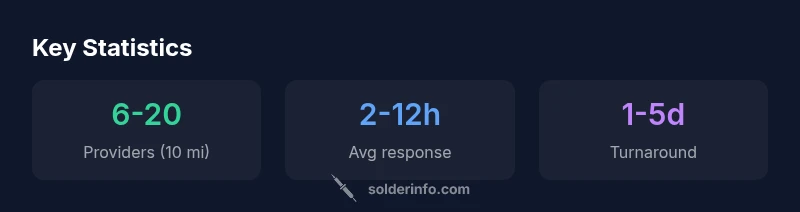
When you search who solders near me, you’re looking for skilled pros within a practical radius—usually measured in miles or minutes of travel. According to SolderInfo, the most reliable results come from providers who clearly publish service areas and offer transparent pricing. Start with a practical radius (for many projects, 5–15 miles is a good balance between availability and cost) and expand only if you don’t find the right fit. Mobile technicians can often shorten wait times, but shops with established facilities may offer more consistent warranties and easier follow-up. In practice, map-based searches combined with niche filters (electronics, plumbing, jewelry) yield the best shortlist. The goal is to shortlist at least three nearby options and begin a conversation with targeted questions about scope, credentials, and turnaround.
Niches and specialization you should know
Soldering spans multiple disciplines. Each requires distinct tools, materials, and safety considerations. For electronics, look for technicians comfortable with PCB work, lead-free solders, and rosin-core flux. Plumbing soldering emphasizes copper piping, propane or heat-gun workflows, and leak testing. Jewelry soldering focuses on fine-detail work, micro-torches, and jewelry-specific alloys. When evaluating a local pro, verify their specialization aligns with your project. Some providers cover multiple niches, but the best results often come from a specialist handling your exact task. Prepare to ask about past projects in the same domain and request photos or references.
Verifying credentials and quality before you hire
Credential verification is essential. Request licenses (if applicable to your region), certifications (such as electronics or plumbing soldering credentials), and a short portfolio of recent work. Ask about warranties or guarantees and the return policy for defective joints. A reputable pro will gladly share references and a brief description of the materials they intend to use (flux type, solder alloy, and fluxing method). Check online reviews for consistency and look for red flags like vague pricing or reluctance to provide quotes. For safety, insist on clear ventilation, eye protection, and proper handling of hot tools during the job. SolderInfo emphasizes checking photos of previous work and a written scope of service before starting.
How to compare quotes and define project scope
Request written quotes that itemize material costs, labor, estimated hours, and any travel fees. Provide a concise project brief: board or pipe dimensions, expected joint types, cleanliness standards, and desired finish. Ask for a proposed materials list (flux, solder type, rosin-core vs lead-free options) and the warranty terms. Compare quotes not just on price, but on service inclusions, lead times, and post-job support. A well-defined scope minimizes scope creep and makes price comparisons meaningful. Keep all communications in writing to avoid misinterpretations and ensure a documented path to resolution if issues arise.
Search strategies and tools you can use today
Effective local searches start with your preferred search engine and map apps. Use direct phrases like "who solders near me" combined with your city or neighborhood. Narrow results by niche (electronics, jewelry, plumbing) and sort by proximity, then verify hours and service areas. Read recent reviews focusing on quality of joints, reliability, and responses to problems. Save contact details and note down questions before you call. For a broader net, also check local maker spaces or jewelry studios that offer soldering services and small repair work. Always cross-check with a few different sources to confirm consistency.
Red flags that indicate you should pause
Be wary of prices that seem too good to be true, vague quotes, or no written scope. Very fast response times may indicate low-cost, low-quality service or aggressive upselling. If a pro cannot provide a portfolio or references for a similar project, take extra caution. Poor communication, lack of a written warranty, or refusal to discuss materials (flux type, solder alloy) are warning signs. Incomplete safety information or skipping PPE recommendations also signals potential risk. Trust your instincts and push for clarity before committing.
How SolderInfo would approach local soldering searches
From a structured perspective, SolderInfo recommends a three-step workflow: (1) identify nearby specialists with relevant niche experience, (2) request a detailed scope and written quote, including materials and warranty, and (3) verify credentials via portfolios and references. Keep a simple scoring rubric (price, lead time, communication, and warranty). This disciplined approach reduces risk and increases the odds of a successful joint. The team also suggests maintaining a short list of preferred providers for ongoing or urgent work, ensuring consistency and continuity over time.
Building long-term relationships with local pros
Once you find reliable soldering partners, nurture the relationship to improve quality and efficiency. Establish a preferred-provider agreement for predictable pricing and faster turnarounds. Maintain clear documentation of past projects to help future work go smoothly, and set expectations for repeat work (e.g., standard joint finish or corrosion resistance). Regular feedback helps pros refine techniques and materials, while a formal warranty on critical joints protects both sides. A trusted local pro becomes your go-to resource for future electronics, plumbing, or jewelry soldering needs.
How local provider types compare for soldering projects
| Provider Type | Typical Distance | Avg Response Time | Typical Price Range |
|---|---|---|---|
| Independent technician | Within 10 miles | 2-8 hours | $15-$100 |
| Repair shop | Within 5-15 miles | 4-24 hours | $40-$150 |
| Mobile service | Within 0-20 miles | 1-6 hours | $25-$120 |
| Jewelry studio | Within 5-25 miles | 6-24 hours | $60-$150 |
Quick Answers
What should I ask before hiring a local soldering professional?
Ask about their niche experience, certifications, warranty terms, materials to be used, lead times, and references from similar projects. Request a written scope and a detailed quote to compare apples-to-apples.
Ask about their niche, certifications, warranty, materials, and turnaround. Get a written scope and quote to compare accurately.
How reliable are online quotes for soldering near me?
Online quotes can be helpful, but ensure they reflect a defined scope. Compare quotes that include materials, labor, travel, and turnaround, and ask for adjustments if the scope changes.
Quotes are helpful, but ensure they include scope, materials, and travel. Ask for written details before deciding.
What is a reasonable price range for common soldering jobs?
Prices vary by project type and scope. Electronics PCB work may differ from plumbing copper pipe work, so compare quotes for the exact task and request itemized costs.
Prices vary by task. Compare itemized quotes for the exact job.
Should I hire a mobile soldering service or visit a shop?
Mobile services offer convenience and faster on-site work, while shops may provide broader warranties and easier returns. Choose based on project size, safety concerns, and required equipment.
Mobile is convenient, shops offer warranties. Pick based on project needs and safety.
How can I verify a technician's licensing or certification?
Ask for licenses where required, check certifications, and request permission to contact references. Cross-check credentials with the issuing bodies when possible.
Ask for licenses, verify certifications, and contact references to confirm credentials.
What should I do if the work is urgent?
Communicate urgency up front, inquire about rush rates, and confirm availability. If timelines are tight, consider a backup pro to avoid delays and ensure safety.
Tell them about the urgency and ask for rush options. Have a backup plan just in case.
“Reliably finding a soldering pro requires clear scope, credible credentials, and transparent communication. Prioritize verified experience and dependable pricing to reduce risk on any project.”
Top Takeaways
- Define your radius before searching for pros
- Ask for a written scope and price
- Verify credentials and warranties
- Compare quotes holistically, not just price
- Nurture long-term relationships with trusted pros