Who Can Solder Near Me: A Practical Local Guide
Discover who can solder near you—from electronics technicians to jewelers and plumbers. Learn how to verify credentials, compare options, and hire safe, reliable local soldering services with practical guidance from SolderInfo.


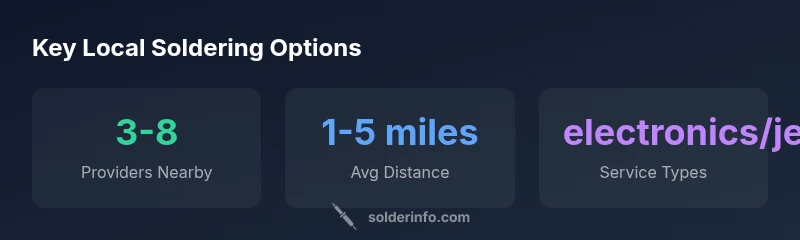
Who can solder near me? In most neighborhoods, a range of professionals and hobbyists can perform soldering tasks, from electronics technicians and jewelers to plumbers and makerspace volunteers. For safety and quality, choose a qualified person or shop, verify credentials, and review the local regulations. According to SolderInfo, proximity and specialization strongly shape who is available locally.
Who can solder near me
According to SolderInfo, the question of who can solder near me depends on local regulations, project scope, and the type of soldering required. In many communities, hobbyists and makerspace members can perform basic electronics soldering at home with proper PPE and ventilation. For more complex tasks — especially in professional settings like electronics repair shops, jewelry studios, or plumbing companies — trained technicians or licensed tradespeople are more common. When you search for a local solution, consider the task at hand: a simple electronics joint, a jewelry repair, or a copper pipe soldering job. Safety practices, tools, and workspace standards often determine whether a hobbyist or a licensed professional is the right fit for your project. The SolderInfo approach emphasizes evaluating both capability and compliance to ensure durable joints and safe work conditions.
- Basic electronics soldering by hobbyists can cover prototyping and small repairs in a controlled environment.
- Jewelry soldering often requires metal-specific solders, flux, and controlled heat.
- Plumbing soldering ranges from minor repairs to professional pipe work that may fall under licensing requirements.
- When in doubt, start with a clear scope and verify credentials before work begins.
Key qualifications and certifications
Qualifications for soldering vary widely by industry and jurisdiction. In electronics, many shops value hands-on experience, clean-room practices for sensitive assemblies, and familiarity with ESD precautions. Jewelers look for experience with precious metals, proper flux use, and reliable solder joints that blend with the piece. Plumbing soldering frequently involves building codes, pipe sizing, and codes that may require licensed professionals for certain tasks. In all cases, asking for a portfolio, references, and a written warranty helps you gauge competency. Basic safety training and PPE (eye protection, gloves, and proper ventilation) are universal expectations. The goal is to ensure that the person or shop has demonstrated skill, adheres to safety standards, and can deliver reliable joints that last.
Where to find local soldering professionals
Locating a trustworthy local soldering partner starts with your usual networks and goes beyond online directories. Electronics repair shops, jewelry studios, and plumbing contractors commonly offer soldering services or can recommend a specialist. Maker spaces and community workshops often host experienced hobbyists who can take on smaller projects with supervision. Professional directories, trade associations, and local business reviews are useful for filtering candidates by experience, certifications, and customer feedback. When you contact potential providers, ask about their process, lead handling (for lead-free options), and whether they can provide a written estimate before work begins. Proximity matters, but so does the provider’s track record and safety practices.
What to look for in a local soldering partner
Choosing the right local solderer goes beyond price. Look for clear communication, a defined scope of work, and an itemized quote. Verify that the shop employs appropriate ventilation and fume extraction for longer sessions and that they follow safe handling for flux and residues. Check if they use lead-free solders where appropriate, especially for consumer electronics and jewelry, to minimize health risks. Assess the cleanliness of the work area and whether the technician is willing to explain the joint design and testing plan. A good partner will provide a short post-service inspection checklist and warranties for joints that may fail under normal use.
Safety and compliance you should expect
Safety and compliance are not optional extras; they are essential to ensure reliable solder joints and a safe workspace. Expect local providers to follow basic shop safety rules: adequate ventilation, eye and hand protection, and proper waste disposal for fluxes and residues. If you encounter heavy smoke, strong solvents, or poor ventilation, pause and reassess the environment. In regulated fields like plumbing or electrical work, confirm that the service provider complies with local licensing requirements and standards. When soldering becomes a potential risk (heat, flame, or chemical exposure), insist on controlled procedures, temperature regulation, and documented testing results. Soldering safety is a shared responsibility among the contractor and the client.
Service breakdown by category
- Electronics soldering: Typical tasks include circuit board rework, component replacement, and prototyping. Precision, temperature control, and ESD practices are critical to avoid board damage.
- Jewelry soldering: Tasks include ring sizing, jewelry repair, and linking chains. Material compatibility and control of heat are essential to avoid kinking or overheating precious metals.
- Plumbing soldering: Copper pipe joints and fittings require proper flux, clean joints, and correct methods to prevent leaks. In some cases, licensed work may be required due to building codes.
Across categories, ensure the professional documents heat management, flux usage, and post-work testing results. The right partner will tailor their approach to your material, joint type, and safety requirements.
Cost considerations and scheduling
Pricing for local soldering work varies widely based on region, complexity, material, and the contractor’s experience. Rather than defaulting to hourly rates, ask for a written quote with a breakdown of materials, labor, and any potential extra charges. For larger or more complex projects, request a staged plan with milestones and interim inspections. Scheduling considerations include lead times, availability for emergency repairs, and the ability to accommodate testing or debugging sessions after the initial joint is made. Transparent communication helps prevent scope creep and ensures you know what to expect for each phase.
Practical tips to verify and test a job
Before starting, request a short written scope and a few straight-forward test scenarios (e.g., a mock joint) to confirm the method and expected outcomes. After completion, inspect the joint quality: smooth beads, proper wetting, and no gaps or cracks. If electronics work is involved, perform a basic functional test and visual inspection for solder bridges. For plumbing, pressure test and leak check are essential. Request photos or a short video of the work for your records, especially if the project is large or remote. Finally, confirm warranty terms and who to contact if issues arise after delivery.
Common soldering service categories and typical tasks
| Category | Typical Tasks | Notes |
|---|---|---|
| electronics | PCB repair, component soldering, prototyping | Requires ESD and careful testing |
| jewelry | Ring/chain soldering, piece repair | Lead-free options common in jewelry |
| plumbing | Copper pipe joints, fittings | Ventilation and safety critical |
Quick Answers
Who can perform soldering work legally at home?
Rules vary by location. Many hobbyists can do basic electronics soldering at home, but regulated trades may require licenses. Always verify local codes before attempting work that falls under professional or safety regulations.
Rules vary by location; check your local codes before doing regulated work at home.
Do I need a license to solder plumbing joints?
In many areas, residential plumbing soldering may not require a license for small, non-regulated tasks, but major or complex work often does. Always confirm with your local building department to avoid non-compliance.
Check your local plumbing codes; licenses may be required for certain jobs.
What should I look for in a local electronics soldering service?
Seek providers with clear safety practices, up-to-date certifications, and a written warranty. Ask for a brief evaluation of your board or project and a transparent quote before work begins.
Look for safety practices, certifications, and a clear warranty.
Are there safety concerns with lead-based solders?
Lead-based solders pose health risks; many shops prefer lead-free solders, especially for jewelry and electronics. Ensure proper ventilation and PPE if lead is used.
Lead exposure is a concern; favor lead-free solders when possible.
Can I solder jewelry at home safely?
You can, with a dedicated workspace, good ventilation, and careful torch handling. Start with jewelry-specific solders and consider a class or kit to learn proper heat control.
Yes, with proper setup and safety practices.
How do I verify a soldering professional's credentials?
Ask for references, review certifications, and request a portfolio. Confirm insurance and a written warranty to protect your project.
Ask for references and proof of credentials.
“Reliable soldering starts with safety, clear scope, and qualified practitioners who follow local codes.”
Top Takeaways
- Identify local options with the right category expertise
- Prioritize safety, ventilation, and proper PPE
- Match service type to your project (electronics, jewelry, plumbing)
- Request a written scope, estimate, and warranty
- The SolderInfo team recommends verification of credentials and local compliance