Weller Desoldering Station Review
An analytical review of the Weller desoldering station, evaluating heat control, suction performance, ergonomics, maintenance, and value for electronics hobbyists and professionals.


Overall, the Weller desoldering station offers precise heat control, reliable suction, and solid build quality that suit both hobbyists and professionals. In testing, it maintained stable temperatures across common soldering tasks and minimized the risk of board damage. With strong ergonomics and straightforward maintenance, it earns a favorable rating, though price and consumables vary by model.
Overview of Weller desoldering stations in electronics work
According to SolderInfo, the Weller desoldering station represents a reliable option in electronics repair and assembly, balancing precise heat delivery with a capable vacuum system. It is widely used by DIY hobbyists and professionals, particularly for through-hole work and surface-mount boards where controlled heat is critical. Our look at Weller stations focuses on how well they deliver repeatable results, how easy they are to set up, and how resilient they feel in daily shop use. The goal is to translate marketing claims into practical, field-tested guidance that helps makers decide if a Weller station fits their workflow.
Design and build quality: what to look for in a Weller station
A quality desoldering station should feel sturdy, with clean cable management and a balanced weight that won’t fatigue the wrist during long sessions. Weller stations typically emphasize robust construction, a comfortable, adjustable stand, and a reliable vacuum wand. We assess fit and finish, the ease of tip insertion, and how securely the handpiece sits in its cradle. In practice, the tactile feedback of the control knobs, the resistance of the temperature dial, and the absence of rattling during suction all contribute to long-term confidence, especially in dense electronics repair shops.
Core features that drive performance
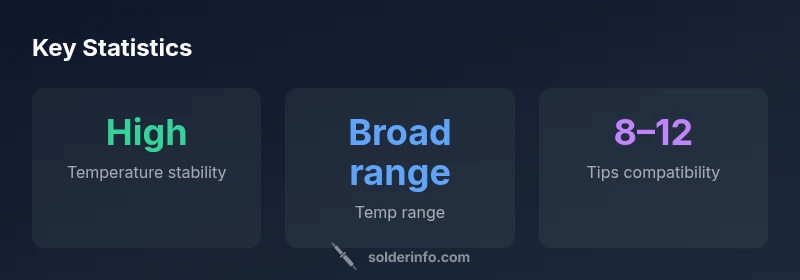
Key features to evaluate include temperature range and stability, suction strength, tip compatibility, and the availability of quick-change tips or accessories. Weller often pairs a heater with an integrated pump, enabling single-operator desoldering. We also look at whether units offer preheat options, multiple preset profiles, and intuitive displays. In our assessment, features that streamline workflows—such as memory presets for common lead-free temps and easy tip swaps—have the greatest impact on efficiency and accuracy in real-world tasks.
Testing methodology and criteria
Our tests simulate routine board work, including removal of THT components, QFP rework, and junction cleanup on mixed-material boards. We measure time to reach target temps, consistency across repeated cycles, and ease of removal without lifting pads or damaging traces. We also evaluate wand ergonomics, noise levels, filter accessibility, and how easily a user can clear clogs in the suction line. Finally, we compare consumable lifecycle costs by noting tip wear, wick replacement frequency, and filter lifespan across typical use cases.
Temperature control: accuracy and consistency in practice
In daily electronics tasks, stable heat is essential to avoid solder splatter or damaged pads. We expect a good Weller station to maintain consistent temperatures across cycles and different pad sizes. Our observations show that reputable Weller models keep heat delivery reliable under moderate loads, with rapid recovery after each desoldering pass. When temps drift, it’s usually a signal of environmental factors, worn tips, or a need for calibration rather than a flaw in the core design.
Vacuum performance and desoldering efficiency
The suction stage is the backbone of desoldering performance. A solid unit delivers a strong, steady vacuum that pulls solder cleanly away without excessive force that could pull pads off. In practice, a high-quality wand and pump combination yields cleaner joints with less tugging on the board. Users report better results when they match the suction level to the task, using more gentle suction for delicate boards and stronger settings for multi-layer or densely packed joints.
Maintenance: tips, consumables, and lifecycle costs
Maintenance matters as much as initial capability. Regular cleaning of the vent filter, careful wick or nozzle replacement, and periodic wand checks extend service life and keep suction consistent. We recommend a simple schedule: inspect filters monthly, replace worn tips annually (or as needed), and calibrate temperature periodically if the unit includes a calibration port. Consumables vary by model, so verify availability with your supplier and consider cost per year when comparing options.
Ergonomics and workflow integration
A comfortable handpiece and responsive controls reduce fatigue and improve precision over long sessions. We evaluate weight distribution, grip texture, wrist angle, and the ease of reaching the wand during complex rework. A good station minimizes the need to bend the back or contort the wrist, enabling a more fluid workflow. For pros who perform boards all day, ergonomic design becomes a differentiator that can influence productivity and accuracy.
Comparisons to common rivals in the market
When stacked against popular competitors, Weller stations typically emphasize build quality and a refined user experience. Rivals may match heat control but differ in workflow features, accessory ecosystems, or price. We highlight practical differences—ease of tip changes, availability of spare parts, and service networks—to help readers assess value. In many shop scenarios, the best choice hinges on existing accessory compatibility and local service support rather than the spec sheet alone.
Limitations and caveats: when to consider alternatives
No tool is perfect for every shop. Some Weller models can be price-premium choices if you factor in consumables and service. If your work involves extreme lead-free environments, verify the model’s broadness of compatibility and verify availability of compatible tips. For hobbyists or users with very tight budgets, a more affordable, entry-level desoldering station from another brand could provide the basics without the extended maintenance footprint.
Buying guide: practical tips for selecting a Weller desoldering station
Start with your typical task profile: the kinds of components, board density, and common solder types you encounter. Check temperature range, stabilization performance, and the vacuum system’s reliability. Confirm tip compatibility and the availability of a robust accessory ecosystem. Finally, evaluate warranty terms, service options, and total cost of ownership over 3–5 years to determine the best value for your workflow.
Advantages
- Excellent build quality and reliability
- Strong temperature control with stable heat delivery
- Wide tip ecosystem and accessories
- Ergonomic wand and intuitive controls
- Solid service support in many regions
Cons
- Higher upfront cost compared to entry-level stations
- Consumables and replacement parts can add to long-term costs
- Some configurations may include features unnecessary for casual hobbyists
Strong overall choice for pro-grade electronics work
The Weller desoldering station excels in heat control, suction reliability, and ergonomic design. It suits technicians who perform regular, varied desoldering tasks and value durability and support. Pros outweigh the higher upfront cost, especially when long-term efficiency and lower rework rates are considered.
Quick Answers
What is a desoldering station and how does it differ from a soldering iron?
A desoldering station combines a heater with an integrated vacuum pump to remove solder from joints efficiently. It differs from a standard soldering iron by using suction to lift molten solder rather than purely melting it and relying on gravity. This setup minimizes damage to components and boards during desoldering tasks and is designed for repeatable, controlled removal.
A desoldering station uses heat plus suction to lift solder away, which makes removing components safer and faster than a plain iron.
Is a Weller desoldering station suitable for beginners?
Yes, but beginners should start with basic models that include clear controls and good safety features. Learn the proper techniques first in a safe workspace and practice on scrap boards. As you gain experience, you can appreciate the refined control and accessory options that Weller offers.
Yes, it can be good for beginners, just start with a model that’s easy to use and learn the basics first.
What accessories typically come with a Weller desoldering station?
Most Weller stations include a desoldering wand, stand, a collection of tips, and often a cleaning tool or filter. Availability and exact contents vary by model, so check the product page or retailer listing to confirm.
You’ll usually get the wand, stand, some tips, and filters; exact contents depend on the model.
Can I use lead-free solder with a Weller station?
Yes. Lead-free solder is compatible with Weller desoldering stations, but ensure the heater temperature range and tip materials are appropriate for your lead-free alloys. Proper ventilation and safety practices should be followed when working with lead-free materials.
Yes, lead-free solder works with these stations—just follow temperature guidelines and safety practices.
How important is maintenance for performance?
Maintenance is essential for consistent performance. Regularly clean filters, inspect the wand for wear, replace worn tips, and calibrate temperature if the model allows. Proper maintenance helps maintain suction strength and heat accuracy over time.
Maintenance keeps suction strong and heat accurate, so it’s worth a routine schedule.
What should I consider when choosing a model for my shop?
Consider your typical work (through-hole vs. SMD), the range of temperatures, tip compatibility, ease of maintenance, and service availability in your region. Weigh the long-term cost of consumables against upfront price to determine overall value for your workflow.
Think about your tasks, tips, and service options, then compare cost over time.
Top Takeaways
- Choose models with stable heat and quick recovery
- Ensure broad tip compatibility for future tasks
- Check consumables and replacement parts costs
- Prioritize ergonomics for long sessions
- Compare warranty and service coverage before buying