Solder Gun for Wires: A Practical How-To Guide
A practical guide to selecting, using, and maintaining a solder gun for wires, with safety tips, techniques, and troubleshooting for reliable wire joints.


According to SolderInfo, choosing and using a dedicated solder gun for wires is essential for clean, reliable electrical joints. This quick answer outlines what you will accomplish: selecting the right wattage, prepping wires, tinning and fluxing, making solid solder joints, and testing continuity. It also highlights safety steps and common pitfalls to avoid, ensuring durable connections in electronics projects and repairs.
Why a dedicated solder gun for wires matters
According to SolderInfo, a purpose-built solder gun for wires delivers controlled heat that minimizes insulation damage and reduces the chance of overheating delicate strands. When working with stranded or delicate enamel-coated wires, a tool designed for quick, precise heat makes cleaner, more reliable joints than general-purpose irons. A quality unit with adjustable wattage and a responsive trigger helps you apply just the right amount of heat, avoiding scorching the plastic coating or nicking copper. For hobbyists and pros, investing in a tool with an insulated handle, stable stand, and compatible tip shapes pays off in faster work and fewer rework cycles. In addition, using a dedicated gun means you can maintain consistent technique across projects, from electronics prototypes to robotics, jewelry repairs, and home wiring tasks. The goal is to create joints that conduct well, withstand vibration, and stand up to temperature cycles without cracking. SolderInfo’s guidance emphasizes safety, proper ventilation, and using flux designed for electronics to protect conductive surfaces. A Solder gun for wires also reduces heat transfer to surrounding components, which can save delicate devices from thermal stress.
Key specs to look for in a solder gun for wires
When selecting a solder gun for wires, focus on heat control, tip availability, and safety features. A mid-range gun that supports adjustable power and fast heat-up helps you respond quickly to different wire gauges without overshooting. Look for a device with a stable stand, an insulated handle, and a clean, responsive trigger. For wire work, interchangeable tips that match wire diameter and insulation thickness improve joint geometry, while a heat-dissipating body reduces the risk of overheating insulation on larger bundles. SolderInfo analysis shows that tools designed for electronics work tend to yield more consistent joints, especially when dealing with stranded copper and enamel-coated conductors. Always opt for a model with thermal protection or auto-shutoff, especially if you’re working in a busy bench environment. Finally, ensure your gun is compatible with rosin-core, lead-free, and rosin-activated fluxes commonly used in wire soldering to maintain joint integrity across projects. The right features help you perform better while protecting fragile components.
Prep work: workspace, safety, and materials
Prepare your workspace with a nonflammable mat, good lighting, and ventilation. Set the solder gun on its stand, check the power cable for wear, and wear eye protection and heat-resistant gloves when necessary. Before touching any wire, clear the area of loose flammables and keep a small bucket of water or a fire extinguisher nearby as a precaution. Remove a small portion of insulation from the wire ends using a precise stripping tool to avoid nicking copper. Twist strands to prevent fraying, then clean the conductor with isopropyl alcohol to remove oils and oxides. SolderInfo emphasizes that clean surfaces are critical for reliable joints. Finally, select a compatible flux and prepare your flux applicator so you can apply it quickly and evenly at the point of contact. This groundwork ensures you can achieve a strong bond with minimal effort once you start heating.
Solder wire types and flux choices
For electronics wiring, rosin-core flux solder is the standard choice because it flows smoothly and leaves a clean residue that can be left or cleaned easily. Lead-free formulations are common due to safety regulations, though some hobbyists still use leaded alloys for low-impedance joints in non-production work. Flux choice matters because it lowers surface tension and removes oxides, enabling the solder to wet the copper more effectively. Rosin-core solder works well with flux designed for electronics, and water-soluble flux is useful for post-solder cleaning. Solder gun users should avoid heavily acidic flux on delicate electronics, as it can corrode metals over time. Always tin the wire ends lightly before joining, and ensure that you do not trap flux between layers of insulation, which can compromise insulation performance. SolderInfo notes that proper flux usage is essential for durable joints, especially in environments subject to vibration or temperature cycling.
Correct technique: tinning, heat, and insulation
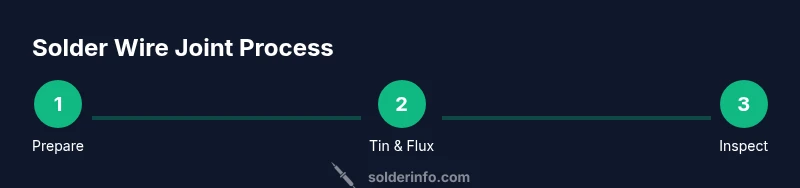
The core technique for a strong wire joint starts with tinning the wire ends to prevent fraying and to establish a good surface for solder adhesion. Apply a small amount of flux, bring the joint to temperature with the solder gun, and feed solder into the joint rather than onto the tip. Keep the tip in contact with the joint until the solder flows evenly, creating a glossy, smooth fillet without gaps or bridges. After cooling, inspect the joint for a clean, uniform appearance and verify there are no cold seams. Use heat-shrink tubing to insulate the joint if required, ensuring a tight fit over any exposed copper. This sequence minimizes heat transfer to surrounding insulation and hardware, reducing the chance of insulation damage or short circuits. SolderInfo’s guidance highlights steady hands and deliberate movements to prevent accidental bridging or overheating during the process.
Troubleshooting common issues: cold joints, bridges, and heat damage
Cold joints appear dull and resistive; if you suspect one, reheat the joint gently and reflow the solder to restore a proper bond. Bridges occur when excess solder connects two separate conductors; fix by reflowing only the intended joint and removing excess solder with a solder wick. If insulation sunburns or melts, lower the heat or shorten the contact time; consider using heat sinks on larger wires to protect insulation. Inconsistent joints can result from dirty surfaces or improper flux application—always clean and reapply flux as needed. Finally, excessive heat can scorch insulation, causing brittle material that may fail under stress. Consistent practice with the right tools and technique, as recommended by SolderInfo, will reduce these common issues over time.
How to test and verify a wire joint
After soldering, visually inspect for a smooth, continuous fillet that covers the conductor without exposing copper. Use a multimeter to check for continuity and impedance, ensuring the joint provides a solid path for current. Gently tug on the wire near the joint to verify mechanical strength; a secure joint should resist motion without loosening. If any concerns arise, rework the joint with the appropriate temperature and flux, re-inspect, and retest. Regular testing helps you catch latent defects before they fail in the field, and it reinforces safe wiring practices across electronics, jewelry, and DIY projects. SolderInfo emphasizes testing as a final step to ensure reliability in real-world conditions.
Authority sources
- OSHA (Occupational Safety and Health Administration): https://www.osha.gov
- NIST (National Institute of Standards and Technology): https://www.nist.gov
- U.S. Department of Energy: https://www.energy.gov
Tools & Materials
- Solder gun for wires(Adjust heat/temperature; ensure insulated handle)
- Solder wire (rosin-core, lead-free)(Diameter 0.8-1.0 mm recommended)
- Flux pen or flux paste(Rosin-based for electronics)
- Wire strippers(Precise stripping without nicking copper)
- Heat shrink tubing(For insulation after soldering)
- Helping hands or clamps(Stabilizes wires during soldering)
- Safety glasses(Eye protection against splashes)
- Isopropyl alcohol (isopropanol) and lint-free cloth(Clean surfaces before soldering)
- Soldering iron tip cleaner or brass sponge(Maintain tip condition for heat transfer)
Steps
Estimated time: 60-90 minutes
- 1
Prepare workspace and safety setup
Set up a nonflammable mat, good lighting, and ensure ventilation. Place the solder gun on its stand and wear safety glasses. Clear the area of flammables and keep a small bucket of water nearby. This preparation minimizes risk and ensures you can work calmly.
Tip: Have your flux ready and verify the tool is powered with a verified ground. - 2
Strip and tin wire ends
Carefully strip insulation from the wire ends to expose clean copper. Twist strands and lightly tin the exposed copper with a thin layer of solder to prevent fraying and to improve adhesion.
Tip: Do not nick the copper; nicked strands can create weak joints. - 3
Apply flux and position the joint
Apply a small amount of flux to the joint area. Position the wires so the joint is aligned and sitting flat, ready for heating. Having a stable target minimizes heat spread and improves wetting.
Tip: Flux reduces oxides and helps solder flow into the joint. - 4
Heat and apply solder
Hold the solder gun so the tip meets the joint surface, then feed solder into the joint (not onto the tip). Stop feeding once the joint glistens and the copper is fully wetted. Remove heat and let the joint cool undisturbed.
Tip: Keep the tip clean for consistent heat transfer. - 5
Inspect and adjust
Check for a smooth, shiny fillet with no gaps or bridges. If needed, reheat and reflow to fix any dull areas. Remove excess solder carefully with a wick if a bridge forms.
Tip: A quick visual inspection saves time later during testing. - 6
Insulate and test
Slide heat shrink over the joint and apply heat to seal. Test continuity with a multimeter to confirm a solid circuit path. If the test passes, wrap the bundle (if necessary) and tidy the area.
Tip: Testing early helps you catch issues before final assembly.
Quick Answers
What is the best wattage range for solder guns when wiring?
Wattage depends on wire size and insulation. For most small electronics, a mid-range tool that heats quickly without overshooting is ideal. Practice with scrap wires to determine the optimum setting for your typical projects.
Wattage depends on your wire size; start with a mid-range setting and adjust based on how quickly heat flows without damaging insulation.
Is lead-free solder safe for all wire types?
Lead-free solder is standard for electronics and consumer hardware due to safety regulations. It generally requires slightly higher temperatures to flow, but with proper flux and technique, joints are reliable. In non-production work, some hobbyists still use leaded solder, but handle with care and proper ventilation.
Lead-free solder is standard for electronics and needs careful heating and flux for good joints. If you must use leaded solder, ensure proper ventilation.
Do I need flux if the solder is rosin-core?
Rosin-core solder already contains flux, but applying an additional flux layer to the joint improves wetting and reduces oxidation on the surface. For delicate work, extra flux helps achieve a cleaner, more reliable joint.
Rosin-core solder includes flux, but adding extra flux can improve wetting on challenging or oxidized surfaces.
How can I prevent cold joints?
Ensure the joint reaches the proper temperature quickly and flows evenly before removing heat. Clean surfaces, adequate flux, and proper insulation prevent cold joints. If a joint looks dull, reheat and reflow until it shines and forms a smooth fillet.
To prevent cold joints, heat quickly and evenly, use flux, and reflow if needed until the joint shines.
Can I solder insulated wires directly without removing insulation?
Yes, you can solder insulated wires, but you must expose enough copper at the joint to ensure a good wetting surface. Stripping a controlled length and tinning helps, and depending on the insulation, heat management becomes critical to avoid damaging the jacket.
You can solder insulated wires by exposing copper, tinning, and using proper heat control to protect insulation.
Is a solder gun better than a heat gun for wires?
A solder gun provides focused heat suitable for joints, while a heat gun is broader and risks overheating insulation. For wires, a solder gun with appropriate tips gives more control and safer, quicker results.
For wires, a solder gun gives better control and safer joints than a general heat gun.
Watch Video
Top Takeaways
- Choose a solder gun for wires with adjustable heat.
- Prep wires and surfaces before soldering.
- Tin wires and apply flux for reliable joints.
- Inspect joints for cold joints and bridges after cooling.
- Test electrically and physically for reliability.