Is 60/40 Solder Good for Electronics? A Comprehensive Guide
Explore whether tin–lead 60/40 solder is suitable for modern electronics. Learn about composition, melting behavior, joint quality, safety considerations, and best practices for reliable soldering in through-hole and prototyping projects.


Tin-Lead Solder: 60/40 Composition and Electronics
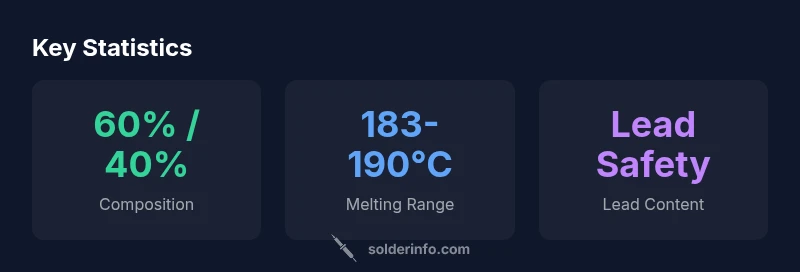
The 60/40 tin–lead solder blend has a long history in electronics, particularly among hobbyists, repair technicians, and legacy boards. With 60 percent tin and 40 percent lead, this alloy provides a forgiving melting range that gives you a comfortable window to make joints and correct mistakes without bitter haste. This can be especially advantageous when you’re working with through-hole components, where larger pads and slower cooling favor a steady hand. The phrase "60/40 solder" is shorthand for its approximate composition, and in practice you’ll often see it labeled as Sn60/Pb40. While this composition remains common in older equipment and certain repair scenarios, it’s essential to understand that not all electronics—especially consumer devices—prefer leaded solders due to regulatory constraints and environmental considerations.
Non-Eutectic Behavior and Its Practical Implications
60/40 solder is non-eutectic, meaning its solidification occurs over a temperature range rather than at a single melting point. This has practical implications: you’ll notice a solder joint that changes phase more slowly as it cools, which can make it easier to see and adjust wetting in real-time but also raises the risk of cold joints if you rush the process. The extra time in the molten state can be beneficial when you need to reposition a component or apply flux after placement. However, it also means you should monitor temperature carefully to avoid overheating pads, especially on delicate boards with fine pitch or thin copper traces.
Lead Content, Safety, and Environmental Considerations
Lead-containing solders pose safety and disposal considerations. 60/40 solder is effective and widely used for reliability, but retailers and manufacturers must manage lead exposure risks, especially in classrooms, labs, and hobby environments. Always use ventilation and personal protective equipment (PPE) when soldering, wash hands after handling, and store lead-containing materials securely away from children and pets. Be mindful of local regulations governing lead usage and disposal, and consider upgrading to lead-free alternatives for RoHS or consumer-grade devices when feasible.
Flux, Cleaning, and Compatibility with Solder Types
Flux plays a critical role in soldering performance. Rosin-core fluxes and water-soluble fluxes help remove oxides and improve wetting on copper and pad surfaces. Leaded solders like 60/40 generally work well with standard rosin-core fluxes, but you should still clean residues after soldering to prevent corrosion and tombstoning on small parts. If you’re integrating with lead-free processes or RoHS-compliant assemblies, plan for the higher melting points and different wetting characteristics that lead-free alloys present, and maintain compatible cleaning protocols.
Leaded vs Lead-Free: When to Choose 60/40
Best Practices for 60/40 Soldering: Temperature, Tips, and Techniques
Storage, Handling, and Disposal of Lead Solder in Your Shop
Is 60/40 Solder Good for Electronics? When to Choose It
In modern electronics decision-making, you’ll often weigh the simplicity and repair-friendly characteristics of 60/40 solder against RoHS compliance and the push toward lead-free alloys. If you’re maintaining legacy equipment, prototyping, or performing through-hole assembly where joints are easier to inspect and fix, 60/40 can still be a strong, cost-effective option. The key is to manage exposure, ensure proper ventilation, and be mindful of regulatory constraints.”],
dataTableInfoPlaceholder