Best Way to Solder Wire: Step-by-Step Guide
Learn the best way to solder wire with a clear, step-by-step approach. This guide covers tools, flux choices, safety, and troubleshooting for electronics, jewelry, and plumbing projects.


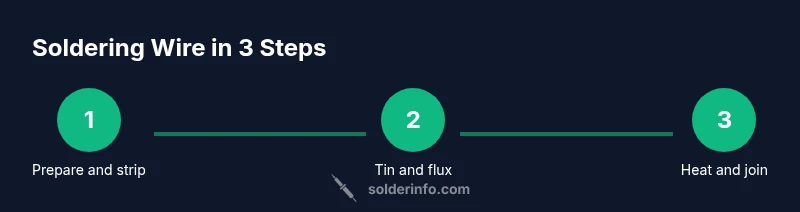
Mastering the best way to solder wire means creating a strong, conductive joint. Start with clean, tinned wires and the right flux; heat evenly with a temperature-controlled iron; feed solder into the joint, not the tip. Let it cool to a shiny, smooth finish and insulate before testing. Practice on scrap first.
The Core Principles of Soldering Wire
Soldering wire successfully starts with cleanliness, proper heat management, and correct material choices. The best way to solder wire hinges on choosing the right solder alloy and flux for your project, preparing the copper surfaces, and developing a comfortable, repeatable technique. Solder joints should be shiny, smooth, and free of defects. In this guide from SolderInfo, we will cover electronics, jewelry, and plumbing contexts, with practical tips you can implement today. A consistent approach reduces the chance of cold joints, inconsistent conduction, or insulation damage. By focusing on surface preparation, controlled heat, and correct alloy use, you establish a reliable method you can reuse across many projects.
Wire Preparation: Stripping, Twisting, and Maintenance
Preparation is the foundation of a good solder joint. Start by selecting the correct wire gauge for the application and stripping only the necessary length of insulation. For stranded wire, twist the strands together so they present a solid, bus-like surface for the solder to wet. Clean copper surfaces resist oxidation and ensure better wetting by the solder. If you encounter frayed strands, trim and re-strip. Regularly inspect wire insulation for cracks or damage that could cause short circuits after soldering. Keeping a tidy workspace reduces the chance of accidental bridging and improves overall reliability.
Flux, Solder, and Joint Geometry
Flux reduces oxidation and improves solder flow, which is essential for a solid joint. Choose flux appropriate for your context: electronics often benefits from rosin-core flux, jewelry may use liquid flux, and plumbing can require acid-free flux. The solder alloy should match the task: electronics typically use lead-free alloys for safety, while plumbing may use different solder types for piping. Plan the joint geometry so the solder can flow smoothly around the conductor without creating bridges. The end joint should form a continuous fillet around the copper, with no gaps or voids, and insulation should cover the joint after cooling.
Common Mistakes and How to Avoid Them
Learning what not to do saves time and materials. Common mistakes include overheating insulation, which can melt plastics, and moving the joint while the solder is still molten, producing a dull, crumbly joint. Skipping flux leads to poor wetting and weak joints. Not tinning the wires before joining can cause oxidation to re-form quickly and hinder solder flow. Always clean the surfaces, restrain the joint during heating, and maintain a steady hand to improve consistency.
Finishing: Insulation, Strain Relief, and Testing
After a successful joint, insulate the connection with heat-shrink tubing or electrical tape to prevent shorts. Strain relief is essential if the wire will experience movement, especially in handheld devices or flexible cables. Testing should confirm continuity and resistance within acceptable ranges for your project. A quick tug test can catch weak joints, and a multimeter check ensures the joint conducts as expected. Proper finishing extends the life of the connection and reduces failure rates in field conditions.
Lead-Free vs Lead Solder: Safety and Performance Considerations
Lead-free solders are common in electronics and jewelry due to health and regulatory concerns. They deposition temperatures and flow properties can differ slightly from traditional leaded solders. When working with lead-free alloys, expect a slightly higher melting point and a different wetting behavior; use appropriate flux and a clean tip to optimize flow. Always work in a ventilated area and observe local safety standards. For many hobbyists, lead-free options provide a safer, reliable path to durable joints while preserving performance.
Scenario-Specific Tips: Electronics, Jewelry, Plumbing
Electronics soldering benefits from precise control, small tips, and careful heat management. Jewelry soldering often employs specialized alloys and flux compatible with precious metals, along with a micro-torch for localized heat. Plumbing soldering requires larger joints and sometimes different flux and solder types to handle copper piping and joints. Regardless of context, apply a consistent technique: prepare, tin, flux, heat, apply solder, cool, and test. Adapting to each material improves joint reliability across disciplines.
Troubleshooting Common Issues
If you see a dull or cracked joint, rework it with fresh flux, clean surfaces, and a brief re-heating. A shiny, smooth finish typically indicates a good bond. If joints bridge or short, re-strip and re-tin the wires to restore clean wettability. Oxidation on the copper surface is a frequent culprit; using flux and a properly maintained tip can mitigate it. Regular practice reduces these issues as you build muscle memory for consistent, high-quality joints.
Practice, Maintenance, and Ongoing Skills
Regular practice on scrap wires builds confidence and muscle memory. Maintain your soldering iron by cleaning the tip, applying flux consistently, and replacing worn tips as needed. A clean workspace and sharp tools increase safety and precision. Document your results after each session to track improvements and identify recurring weaknesses. Over time, your technique becomes faster and more reliable across electronics, jewelry, and plumbing projects.
Tools & Materials
- Soldering iron with temperature control(Adjust to suitable range for electronics or plumbing; use a stand and a damp sponge for tip maintenance)
- Lead-free rosin-core solder(Choose alloy suited to electronics or plumbing; lead-free for safety)
- Flux (rosin-based or appropriate for context)(Flux improves wetting and prevents oxidation)
- Flux brush or flux pen(For applying flux precisely where needed)
- Wire strippers and cutters(Strip insulation cleanly without nicking copper)
- Heat shrink tubing or electrical tape(Insulation and strain relief after soldering)
- Solder wick / desoldering braid(Useful for removing excess solder or correcting joints)
- Third-hand or helping hands tool(Stabilizes components during soldering)
- Safety glasses(Eye protection when melting solder or flux fumes are present)
- Ventilation or fume extractor(Enhances air quality in the workspace)
Steps
Estimated time: 15-45 minutes per joint, depending on wire gauge and joint complexity
- 1
Gather tools and materials
Collect the iron, solder, flux, wires, insulative material, and safety gear. Have a stable workspace and a stand for the iron. This avoids interruptions and reduces the risk of accidents.
Tip: Arrange everything within arm’s reach to maintain a smooth workflow. - 2
Prepare wires
Select the appropriate length of stripped insulation, twist stranded wires, and straighten solid wires. Clean surfaces free of dirt or oxidation to promote better solder wetting.
Tip: Keep stripped lengths short to minimize heat exposure to insulation. - 3
Tin the wire ends
Heat the wire ends briefly and apply a thin layer of solder to each end. Tinning prevents oxidation and provides a ready surface for the joint.
Tip: Do not oversolder; a light coat is enough for good wetting. - 4
Apply flux and position wires
Apply flux to the joint area and align wires precisely. A stable alignment makes it easier for solder to flow evenly around the joint.
Tip: Use a helping hand or tweezers to maintain position during heating. - 5
Heat and apply solder to the joint
Place the heated iron on the joint and feed solder into the joint until it flows evenly. Do not apply solder directly to the iron tip; this reduces control and can create shorts.
Tip: Allow solder to wick around the conductor for a complete fillet. - 6
Cool and inspect
Remove heat and let the joint cool undisturbed. Inspect for a shiny, smooth finish with full coverage and no gaps or bridges.
Tip: If dull or cracking appears, rework the joint with fresh flux and solder. - 7
Insulate and test
Slide heat shrink over the joint and apply heat to shrink it. Test continuity with a multimeter and ensure the joint is mechanically secure.
Tip: Testing ensures reliability before final installation. - 8
Cleanup and storage
Turn off and unplug the iron, clean the tip, and store materials properly. A neat workspace reduces the risk of accidents and preserves tool life.
Tip: Wipe the tip with a damp sponge to extend tip life.
Quick Answers
What wire types are easiest to solder for beginners?
For beginners, stranded copper wire is typically easier to solder because the strands tin quickly. Solid wire can be soldered well but may require more heat and careful handling to avoid breaking the conductor.
Stranded copper wires are usually easiest to learn with because they tin quickly. Solid wires work too, but may need more heat and careful handling.
Should I tin wires before soldering?
Yes. Tinning both wire ends creates a smooth, ready surface for the joint and reduces oxidation during heating. It improves wetting and yields a cleaner joint.
Yes. Tin both ends to create a smooth surface and reduce oxidation during heating.
Can I use lead-free solder for all projects?
Lead-free solder is standard for electronics and jewelry due to safety guidelines. For plumbing or other contexts, follow local requirements and use appropriate alloys.
Lead-free solder is commonly used for electronics and jewelry. Follow local rules for other contexts.
Why is my solder joint dull or cracked?
Dull joints indicate oxidation, insufficient heat, or movement during cooling. Rework the joint with fresh flux and solder, and ensure the surfaces are clean before reflow.
A dull joint usually means oxidation or movement during cooling. Rework with flux and solder after cleaning.
Is flux always required when soldering wires?
Flux greatly improves wetting and reduces oxidation. Some lead-free solders include flux, but adding flux manually can help in challenging joints or dirty surfaces.
Flux helps a lot with wetting and oxidation. If in doubt, use flux.
Watch Video
Top Takeaways
- Tin wire ends before joining to improve wetting.
- Heat, not the iron, should drive the solder into the joint.
- Inspect joints for a shiny, uniform fillet with full coverage.
- Insulate and test thoroughly to ensure long-term reliability.