Where can you get a soldering iron: A comprehensive buying guide (2026)
Discover where to buy a soldering iron, compare retailers and kits, and learn what to look for in electronics, jewelry, and plumbing projects. Practical guidance for beginners to pros in 2026.


Where can you get a soldering iron? You can buy from electronics retailers, hardware stores, and trusted online marketplaces; for beginners, a temperature-controlled model with replaceable tips offers the best value. Look for kits that include a stand and basic accessories to start quickly. Also consider warranty and return policies for peace of mind.
Where can you get a soldering iron
If you're asking where can you get a soldering iron, the main channels are online marketplaces, electronics retailers, hardware stores, and local maker spaces. Online platforms offer broad selection and reviews, while in-person stores provide immediate pickup and expert guidance. For those who value hands-on testing, maker labs or community workshops can be a good option. Be wary of knockoffs and ensure that replacement tips are readily available. Look for temperature-controlled models in the 20–60W range, as they balance heat capability with precision for electronics and hobby projects. This initial decision influences future purchases, because the right seller should offer reliable warranty terms and easy access to spare parts.
How to evaluate sellers and product listings
Reliable sellers clearly list product specifications, especially temperature range, tip compatibility, and wattage. Favor listings that show clear photos, user reviews, and a visible return policy. Check whether the seller offers manufacturer warranties or a store guarantee, and whether tips and accessories are sold separately or included in a starter kit. For online purchases, review shipping policies, packaging quality, and return windows. In local shops, you can ask questions in person and see demonstrations. Always compare at least two or three sources to avoid overpaying.
Online vs offline: pros and cons
Online marketplaces offer vast selection and competitive prices, but may involve longer wait times and mixed quality. Brick-and-mortar stores provide immediate pickup and personal advice, yet stock can be inconsistent and prices higher. Specialty electronics shops tend to offer trained staff who can explain model differences and compatibility, but selection may be narrower and prices may be higher. A blended approach—purchase core irons online and verify with a local retailer—often yields the best balance of price, support, and speed.
Budgeting and kit options
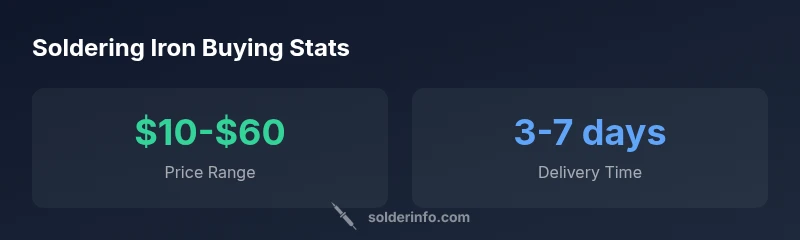
For newcomers, a budget in the range of $10 to $60 can secure a basic, temperature-controlled iron with replaceable tips. Kits that include a stand, sponge, a few tips, solder, and flux can save time and money by providing everything you need to start. If you already have some tools, consider a standalone iron with high-quality tips and a reliable neutral temperature control module. Always factor in the cost of consumables (tips, flux, solder) that will need regular replacement over time.
Specialty use cases: electronics, jewelry, and plumbing
Electronics projects typically require a fine-tipped, temperature-controlled iron to avoid overheating sensitive components. Jewelry work may tolerate slightly hotter irons but benefits from precision and stable heat. Plumbing soldering for copper pipes uses higher heat and different alloys; for this, you might opt for a heavier iron with a robust stand and heat-dissipating accessories. When shopping, match the iron’s wattage and tip geometry to your primary application to maximize performance and reduce wear on tips.
How to verify arrival and safety
Inspect packaging for signs of impact and ensure you have a working power cord and tip. Test the iron’s temperature control on a spare piece of scrap copper or circuit board (with proper precautions). Check that replacement tips are compatible with the model and that the stand and holder are sturdy and heat-resistant. Review safety instructions, including unplugging when not in use, using a heat-resistant mat, and ventilating when soldering with flux or lead-containing alloys. If anything feels off, contact the seller promptly.
Final purchasing checklist
Before finalizing a purchase, confirm: (1) temperature control range and tip compatibility, (2) availability of replacement tips, (3) warranty terms and return policy, (4) included accessories (stand, sponge, flux, solder), and (5) reputable seller rating. For ongoing projects, keep a spare tip of the same geometry and a quality desoldering tool. With the right seller and model, a soldering iron becomes a reliable partner for electronics, jewelry, and plumbing work.
Comparison of purchasing channels
| Retail Channel | Pros | Cons |
|---|---|---|
| Online marketplace | Wide selection, competitive pricing | Potential shipping delays, counterfeit risk |
| Brick-and-mortar electronics store | Immediate pickup, in-person advice | Stock may be limited, higher prices |
| Specialty electronics shop | Expert staff, better warranties | Higher prices, limited stock |
Quick Answers
What is the best place for beginners to buy a soldering iron?
For beginners, start with a reputable electronics retailer or a beginner-friendly kit from online marketplaces. Look for temperature control, a stand, and spare tips. A helpful vendor can also show basic safety practices.
For beginners, start at a reputable retailer or a beginner kit; ensure temperature control and a stand are included.
Should I buy a used soldering iron?
Used irons can be risky due to wear, uncertain tip condition, and potential safety concerns. If you buy used, test tip heat response and temperature control, and ideally buy from a seller with a return option.
Used irons can be risky; test heat response and buy from sellers with returns when possible.
Are warranties common on soldering irons?
Many new irons come with a limited warranty that covers manufacturing defects. Read the terms, duration, and what is excluded, especially for tips and cords.
Look for a warranty, check its terms and what it covers.
Kit or standalone iron for beginners?
Kits are convenient for beginners since they include a stand, tips, flux, and solder. Standalone irons can be cheaper long-term if you already own accessories or prefer premium tips.
Kits help new users get going with all essentials.
What common buying pitfalls should I avoid?
Avoid ultra-cheap irons with poor temperature control, unfamiliar brands, and non-replaceable tips. Ensure listings clearly state specs and verify compatibility with your projects.
Avoid cheap models with poor control and unclear specs.
“Choosing where to buy a soldering iron matters as much as the model you choose. Reliable vendors, transparent warranties, and solid after-sales support reduce risk and ensure safe, lasting use.”
Top Takeaways
- Shop across at least two channels to compare value
- Prioritize temperature control and replaceable tips
- Prefer beginner kits with stands and accessories
- Check warranty and return policy before buying
- Verify tip compatibility and packaging upon arrival