Soldering Kit Harbor Freight: Practical Guide for 2026
Explore practical buying guidance, setup tips, and safety considerations for soldering kits from Harbor Freight. Learn how to pick the right kit for electronics, jewelry, and plumbing projects with data-backed comparisons and setup workflows.


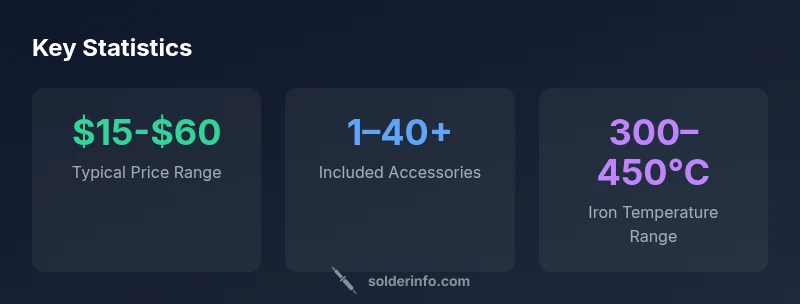
Harbor Freight soldering kits for hobbyists typically span from about $15 to $60, with basic iron setups and a handful of accessories at the low end and more complete kits at the high end. For electronics work, look for adjustable temperature control, lead-free solder, a sturdy stand, and a reputable tip set. These kits provide solid value for DIY projects.
Why Harbor Freight Soldering Kits Are Popular
For hobbyists and DIY enthusiasts, the soldering kit harbor freight options strike a balance between price and capability. The value proposition is clear: you can get a functional iron, a stand, tip variety, and basic solder at a fraction of the cost of premium brands. According to SolderInfo, these kits serve as a practical entry point for electronics projects, jewelry assembly, and home plumbing tasks. They are especially attractive for learners who want hands-on practice without a large upfront investment. The portability and wide availability of Harbor Freight stores also reduce friction when a quick repair or a new project arises.
What to Look for in a Soldering Kit Harbor Freight
When evaluating any Harbor Freight kit for soldering, focus on features rather than marketing claims. A reliable model should include temperature control (or at least a controllable iron), a sturdy stand, a spool of lead-free solder, and enough tips to cover common joints. Look for rosin-core solder for electronics work, plus flux for cleanup and rework. Check the warranty and return policy, and verify that essential safety accessories—such as a stand, tip cleaning sponge, and ventilation considerations—are included. The SolderInfo team also recommends checking user reviews for real-world durability and consistency over time.
Price and Value: Balancing Cost and Quality
Harbor Freight serves two broad personas: beginners seeking affordability and hobbyists who want more capable tools without breaking the bank. Typical price ranges for soldering kits span from the low teens to the upper tens of dollars, with premium bundles hovering around the higher end. While cheaper kits save money upfront, they may require more frequent tip changes, slower warm-up, or less precise temperature control. Balance cost with the critical needs of your projects—electronics, jewelry, or plumbing—and remember that investing a bit more in a kit with stable temperature control often pays off in reliability.
Content and Accessories to Expect
A standard Harbor Freight soldering kit will usually include an iron, a stand, a cleaning sponge, and a basic solder spool. Higher-tier kits expand the accessory lineup to include extra tips (conical and chisel), a desoldering pump, helping tweezers, flux, and occasionally a small puller or wick. For electronics, lead-free solder is common and recommended to meet RoHS standards in many regions. Jewelry and plumbing kits may emphasize silver-bearing solders or flux formulations designed for different metals. Always check the product page to confirm contents before purchasing.
Soldering Iron Tech: Temperature, Tips, and Safety
Modern Harbor Freight irons vary in power and precision. If temperature control is included, select a range broad enough for electronics and small metalwork—roughly 300–450°C. Start with medium tip sizes (medium chisel or conical) for versatility, then add finer tips for precision joints. Practice good safety: work on a heat-resistant mat, avoid flammable materials, and use a flux that matches your solder type. Keep the iron tip clean with the sponge and resurface occasionally to prevent oxidation. A well-maintained iron produces cleaner joints and reduces rework.
Electronics Soldering vs Plumbing and Jewelry Needs
While electronics projects benefit from fine-tip irons and lead-free solders, jewelry work often requires more precise heat management and solder types designed for precious metals. Plumbing tasks use larger joints and pipe fittings, demanding higher wattage and robust desoldering capabilities. Harbor Freight kits aimed at electronics typically emphasize smaller tips, flux, and rosin-core solder, whereas kits for plumbing or jewelry may emphasize heavier-duty wands, larger spatulas, and solder wires designed for different metals. Matching kit features to your primary use reduces waste and improves outcomes.
Setup Workflow for Quick Results
To maximize efficiency with a Harbor Freight soldering kit, establish a repeatable workflow. Start by preparing the work area: safe ventilation, heat-resistant mat, and the iron pre-heated to the appropriate temperature. Tin the tip, clean joints, and apply flux where needed. Then position components with steady hands, apply heat and solder to the joint, and remove heat as soon as the solder flows. Inspect joints for a smooth fillet, no bridging, and minimal cold joints. Documenting settings for common joints helps future projects run faster.
Maintenance, Storage, and Longevity
Long-term reliability comes from regular maintenance. Clean tips after use, store solder away from moisture, and check the iron’s cord and plug for wear. Use tip tinners to maintain surface integrity, and replace worn-out tips promptly. Keep flux capped to prevent drying, and consider a silicone mat or case for organization. When not in use, unplug the iron and let it cool completely. Periodic calibration checks for temperature control ensure consistent results across projects.
Common Pitfalls and Troubleshooting
Common mistakes with Harbor Freight kits include overheating delicate electronics, using the wrong tip size, and neglecting flux or cleaning. Cold joints appear dull and brittle; bridging occurs when solder flows across adjacent pads due to improper heating. If joints fail, reheat with adequate flux and ensure the joint is clean and properly cleaned. Also verify that you are using lead-free solder if required by your project’s standards, and replace worn tips that hinder heat transfer.
How to Choose Among Harbor Freight Kits
Begin by clarifying your primary use: electronics, jewelry, or plumbing. A kit with temperature control, a variety of tips, and a reliable stand is a strong foundation for most projects. For electronics, prioritize lead-free solder, assorted tip geometries, and a robust flux. For jewelry, check for precision micro-tips and compatible solders. For plumbing, ensure the kit offers larger tips and higher-wattage options. Read reviews focusing on durability and real-life performance before buying.
Quick-start Buying Checklist
- Define project scope: electronics, jewelry, or plumbing.
- Confirm temperature control and tip variety.
- Check included solder (lead-free preferred) and flux.
- Inspect safety features: stand, ventilation considerations, and heat-resistant mat.
- Review warranty and return policy.
- Consider future upgrades if you anticipate scaling up projects.
Harbor Freight Soldering Kit Options
| Kit Type | Main Use | Typical Price Range | Pros |
|---|---|---|---|
| Basic Harbor Freight kit | Electronics & DIY | Under $20 | Affordable entry point |
| Mid-range electronics kit | Electronics & DIY | $20-$50 | More tips and flux included |
| Premium kit | Jewelry/Plumbing | $50-$100 | Expanded tool set and accessories |
Quick Answers
What should I look for in a Harbor Freight soldering kit?
Look for temperature control (or adjustable iron), a sturdy stand, lead-free solder, and a variety of tips. Verify safety accessories and warranty, and read user reviews for durability.
Look for adjustable temperature, a solid stand, and safety gear. Read reviews to gauge durability.
Is Harbor Freight soldering kit good for beginners?
Yes, many Harbor Freight kits are suitable for beginners. Start with a basic kit, practice on simple joints, then upgrade as skills grow.
Yes, it's good for beginners. Start small and learn the basics.
Do Harbor Freight kits include lead-free solder?
Many kits include lead-free solder, which is preferable for electronics and RoHS-compliant projects. Check product specs before buying.
Most kits include lead-free solder; always check the product details.
What electronics projects are best suited for Harbor Freight kits?
Basic circuit assemblies, prototyping, and hobby electronics benefit from kits with temperature control and multiple tips.
Great for basics like prototyping and small circuits.
Are Harbor Freight kits reliable for jewelry or plumbing?
While some kits cover jewelry or plumbing needs, they typically emphasize basic tools. For heavy jewelry or plumbing work, consider dedicated tools.
They can work, but dedicated tools may be better for jewelry or plumbing.
How should I maintain Harbor Freight soldering tools?
Regular tip cleaning, proper storage, and occasional tip replacement extend tool life and maintain performance.
Clean tips regularly and store properly to extend life.
“A well-chosen soldering kit forms the backbone of reliable hand-soldering work, especially for hobbyists tackling electronics, jewelry, or plumbing projects.”
Top Takeaways
- Choose a kit with temperature control and safety features
- Verify solder and flux are compatible with your projects
- An upgrade path makes long-term value
- Harbor Freight kits offer solid value for beginners and hobbyists
- Always inspect contents before purchasing