Solder Sucker Near Me: Find the Right Desoldering Pump Locally
Learn how to find a solder sucker near you, compare desoldering pumps, and choose the right tool for electronics repair, jewelry, and plumbing projects. Practical search tips, buying guidance, and trusted recommendations from SolderInfo.


Looking for a solder sucker near me? Start by checking local electronics stores, hardware chains with electronics sections, and reputable pawn or surplus shops. Many carry manual desoldering pumps, and some offer auto pumps for faster results. Online marketplaces also provide quick shipping. Use this guide to compare models, verify availability, and choose a durable desoldering pump from a trusted brand.
Understanding the Solder Sucker: What It Does and Why It Matters
A solder sucker, or desoldering pump, is a handheld tool that uses suction to draw melted solder away from a joint. In practice, you heat the joint with a soldering iron and activate the pump to create a quick vacuum that pulls molten solder into a metal chamber. This method is essential for through-hole work and some larger surface-mount joints where wick braid may be less efficient. When you search for a solder sucker near me, you’re usually looking for a tool that is reliable, easy to clean, and compatible with the solder you typically use—whether leaded, lead-free, or a rosin-core formulation. The SolderInfo team notes that the best desoldering pumps balance suction strength with nozzle size, avoiding overflow or solder splatter that can damage pads. These pumps are often favored by hobbyists and professionals because they provide a fast, clean way to reclaim pads and replace components without damaging the board.
How to Find a Solder Sucker Near Me: Practical Search Strategies
To locate a solder sucker near you, start with three channels: local electronics retailers, large hardware stores with electronics departments, and reputable online marketplaces. Call ahead to confirm stock availability and ask if the store carries both manual pumps and auto-desoldering pumps. If your search yields no results locally, broaden it to nearby cities or look for second-hand shops or surplus stores that often stock older desoldering tools in good condition. Don’t overlook community repair labs or maker spaces, which frequently sell used tools or can point you toward vendors with stock. For a faster result, use specific search terms like “desoldering pump near me” or “solder sucker in stock” and add your city or ZIP code. Always check return policies and warranty coverage when buying locally so you have recourse if a pump fails after a few uses.
Types of Solder Suckers: Manual, Automatic, and Mini
Solder suckers come in several configurations. Manual desoldering pumps require you to press the plunger and release after heating the joint to generate suction. Automatic or semi-automatic pumps often seal the chamber around the nozzle and use a spring mechanism for quicker, more consistent suction on repeated cycles. Mini desoldering pumps are smaller and designed for tight spaces and small pads, making them popular for dense boards and some jewelry repairs. Each type has trade-offs: manual pumps are simple and affordable but slower for repeated work; automatic pumps consolidate steps but can cost more and require maintenance; mini pumps excel in tight spots but may not handle large joints. When evaluating options near you, consider your typical projects, pad sizes, and whether you need quick, repeated action for boards with many components.
How to Evaluate Quality Before You Buy
Before purchasing, assess several practical criteria. Look for a pump with a robust plunger, a nozzle that fits a range of pad sizes, and a residue-free cleaning design. Check the nozzle material—metal nozzles tend to last longer than cheap plastics—and verify that the o-ring seals remain tight after repeated use. Examine the cleaning mechanism: some models allow the chamber to be wiped or blown out with minimal disassembly, reducing the chance of solder buildup inside the stem. A comfortable grip and a compact footprint are important if you work in tight spaces or need precise control. If you plan to use the tool for jewelry or delicate electronics, ensure the nozzle size ranges from 3 to 6 mm (and consider a kit with multiple nozzles). Finally, verify warranty terms and customer service expectations so you’re covered if the tool fails or underperforms after several uses.
Step-by-Step: How to Use a Solder Sucker
- Power up and prepare: Ensure the board is stable, the work area is well-ventilated, and the iron is set to an appropriate temperature to avoid damaging the surrounding copper. 2) Heat the joint: Apply heat to the solder joint until it becomes molten and flows freely. 3) Activate the pump: Press the trigger or plunger to create suction, then release after the joint is captured. 4) Inspect the pad: Check for any residual solder and reapply heat if needed before attempting removal again. 5) Clean the nozzle: Wipe away any buildup on the nozzle to prevent future clogs. 6) Verify the repair: Re-tin pads if necessary and test the board for proper continuity. By following these steps, you minimize cold joints and ensure a clean, repair-ready pad.
Maintenance Tips to Extend Pump Life
Regular maintenance extends your desoldering pump’s life. Always clean the nozzle after use; remove old solder from the chamber and stem, and store the tool in a dry environment to prevent corrosion. If your model uses a replaceable nozzle, replace it when the nozzle shows wear or deformation. For sticky or oxidized boards, use a small amount of flux to help the molten solder flow and reduce wear on the nozzle. Lubrication is rarely required, but some manufacturers recommend a light silicone spray on the piston guides to reduce sticking. Finally, avoid forcing the pump during suction cycles—overextending the plunger can damage seals and reduce suction power over time.
Common Pitfalls and How to Avoid Them
One common pitfall is using too high a temperature, which can damage the pad or lift copper traces. Another is choosing a pump with too large a nozzle for tight SMD pads, causing solder to smear and create short circuits. Additionally, some users neglect cleaning after each use, leading to clogged passages that reduce suction strength. To avoid these issues, select the nozzle size appropriate for the job, maintain a regular cleaning schedule, and test the tool on scrap boards to gauge performance before using it on a critical circuit. Keeping a small brush and isopropyl alcohol nearby helps you stay on top of residue management.
Budgeting, Warranties, and Where to Buy
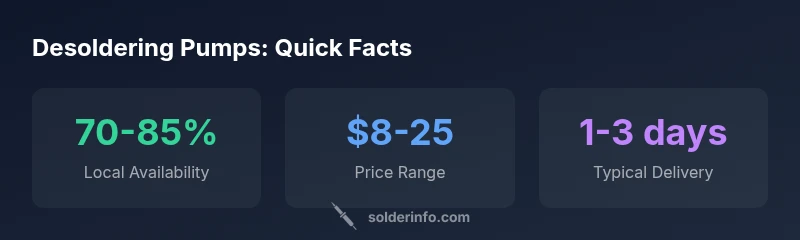
Budgeting for a solder sucker involves balancing price against reliability and future maintenance. Manual pumps are generally affordable, but you may pay more for adjustable nozzles or robust metal housings. When shopping, look for models that come with at least a one-year warranty and a replacement nozzle or maintenance kit as part of a bundle. If price is a constraint, consider buying a basic manual pump to learn the technique before upgrading. Warranties vary, so read the terms carefully and verify what happens if the tool malfunctions. For best results, buy from retailers with easy returns and clear customer support contact options.
Practical Tips for Different Applications: Electronics, Jewelry, and Plumbing
- Electronics: For through-hole boards, opt for a pump with a medium nozzle size and reliable seal. Avoid overly aggressive suction on delicate pads to prevent lift. - Jewelry: Small-joint removal often benefits from a mini desoldering pump and fine-nozzle tips; precision matters for filigree pieces and small components. - Plumbing: Desoldering pumps are less common for piping, but you may encounter solder joints near fittings; use the pump after softening solder with a heat gun or equivalent method in a well-ventilated area. In all cases, practice on scrap parts to calibrate heat and suction levels before working on valuable projects.
Comparison of common solder sucker types
| Model Type | Nozzle Size (mm) | Suction Power | Best Use | Price Range |
|---|---|---|---|---|
| Manual Desoldering Pump | 4-6 | Moderate | Through-hole boards | Low–Mid |
| Automatic Desoldering Pump | 5-7 | High | Dense SMT boards | Mid–High |
| Mini Desoldering Pump | 3-4 | Low–Moderate | Small components | Low–Mid |
| Multi-Nozzle Kit | 3-8 | Variable | Various components | Mid |
Quick Answers
What is a solder sucker and how does it work?
A solder sucker uses suction to pull molten solder away from a joint after heating. You trigger the pump to create a vacuum, which draws solder into a collection chamber. This method is effective for through-hole joints and easier removal on many boards than traditional wick.
A desoldering pump pulls molten solder away from joints with suction after heating. You activate it to collect solder in the chamber.
Can I use a solder sucker for SMD components?
Yes, but success depends on nozzle size and the pad layout. For tiny SMD pads, use smaller nozzles and consider alternative methods like desoldering braid or tweezers for stubborn joints. Practice on scrap boards to prevent accidental damage.
Yes, but pick a small nozzle and be careful with delicate pads.
Is a solder sucker better than desoldering wick?
Wick is great for removing small amounts of solder and cleaning connections, while a pump offers quicker removal for larger joints or dense boards. In many workflows, you’ll use both: wick for cleanup and pumps for larger desoldering tasks.
Wick is handy for small amounts; pumps speed up bigger jobs. Many users keep both tools handy.
Where can I buy a solder sucker near me?
Check local electronics stores, hardware retailers with electronics sections, and reputable online marketplaces. If stock is low, ask about special orders or look for nearby repair shops that sell used tools with warranties.
Local stores or reputable online markets usually stock desoldering pumps.
What maintenance does a solder sucker require?
Keep the nozzle clean after use, remove residue from the chamber, and inspect seals for wear. Replace worn nozzles if possible and store the tool dry. Regular checks prevent suction loss and extend life.
Clean the nozzle and check seals; replace worn parts as needed.
What size nozzle should I start with for general electronics work?
A 4-6 mm nozzle covers most through-hole joints and many larger SMD pads. If you work with tiny IC packages or fine-pitch components, consider a kit with multiple small nozzles.
Start with a 4-6 mm nozzle; get smaller nozzles for small pads.
“A good desoldering pump combines reliable suction with a clean, interchangeable nozzle system—choose a model that matches your typical pad sizes and joint complexity.”
Top Takeaways
- Start locally, but be open to online options for stock
- Choose nozzle size that matches your project scale
- Manual pumps are affordable; auto pumps save time on busy boards
- Maintain the nozzle and chamber to extend life
- Practice on scrap boards before applying to critical work