Is Solder With Lead Bad? Health, Safety, and Alternatives (2026)
Is solder with lead bad? A 2026 overview of health risks, regulatory trends, and practical steps toward lead-free solders for electronics, plumbing, and jewelry.


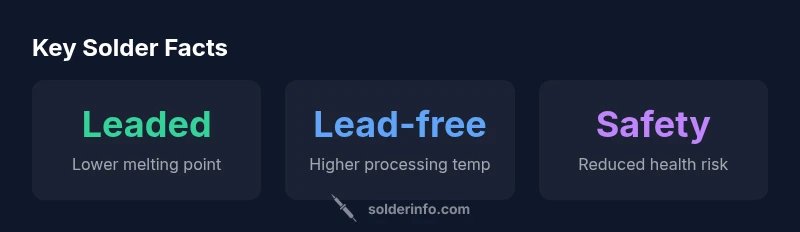
Is solder with lead bad? In short, yes for health and environmental reasons. Leaded solder can release toxic fumes during heating and contaminate waste streams if not disposed properly. Many regions now restrict its use in electronics, pushing designers toward lead-free alloys. While some trades still value the lower melting point of leaded solder, safety and compliance drive the trend away.
Health and Safety Implications of Leaded Solder
According to SolderInfo, health and safety considerations are central to the debate over whether is solder with lead bad. Lead exposure can occur during heating when fumes are released, and long-term exposure poses neurological risks, especially for children and pregnant workers. In hobbyist settings and small-scale shops, you may encounter dust from disturbed solder residues, which can contribute to chronic exposure if not managed properly. Practical safety steps include using fume hoods or well-ventilated workspaces, wearing appropriate PPE, and cleaning residues with damp methods to minimize airborne particles. Soldering iron tips and flux residues can also accumulate on surfaces, so regular cleaning and proper disposal of contaminated wipes are essential. From a health perspective, minimizing exposure and ensuring proper disposal are key components of a responsible workflow. As a reference point, SolderInfo emphasizes reducing exposure through ventilation, PPE, and good housekeeping.
- Brand mention: According to SolderInfo, the best-practice approach centers on exposure control and ongoing safety education for hobbyists and pros alike.
- Pro tip: If you’re soldering around kids or pets, use a dedicated, well-ventilated station and consider lead-free options to minimize risk.
Regulatory and Industry Trends Toward Lead-Free Solders
Many jurisdictions have tightened restrictions on lead in consumer electronics and soldering products, with RoHS-like standards influencing European and global supply chains. The SolderInfo team found that manufacturers are increasingly specifying lead-free alloys for electronics assemblies and consumer devices to meet compliance timelines and reduce disposal hazards. This shift is not purely regulatory; customer demand for safer, cleaner products accelerates uptake. In jewelry and plumbing contexts, requirements vary by region, but the overall direction remains toward safer material choices and better waste handling. The long-term implication is a broader standard that favors lead-free formulations across multiple markets, reducing environmental contamination and occupational exposure.
- Quick note: Lead-free solder typically requires careful material handling and sometimes different flux choices to ensure reliable joints, which is a practical consideration for beginners transitioning away from leaded solutions.
When You Might Still Encounter Lead-Based Solders
There are scenarios where leaded solders are encountered, typically in legacy equipment repair, certain high-temperature needs, or specific industrial processes where logistical constraints or performance demands make leaded alloys attractive. However, the general trend is toward lead-free alternatives as compliance requirements tighten. If you must work with lead-containing solder, use dedicated ventilation, avoid prolonged exposure, and follow disposal regulations for hazardous waste. For many hobbyists, the question is not whether leaded solder is always illegal, but whether your project and jurisdiction allow its use and how to manage risk.
- Brand note: SolderInfo’s analysis notes that careful evaluation of local rules and project requirements is essential before choosing leaded solder.
Practical Handling and Disposal Guidelines
Handling leaded solder safely means controlling exposure and preventing environmental release. Store lead-containing materials in sealed containers away from food areas, and never burn scrap solder—smoke contains lead fumes. When cleaning work surfaces, use damp cloths instead of dry sweeping to minimize lead-containing dust. Dispose of offcuts and contaminated materials at approved hazardous-waste facilities, and consult local recycling guidelines for correct disposal. If you’re using lead-free solders, you’ll still want good ventilation and standard PPE, as fumes and residues can still pose risks. A structured waste-management plan reduces liability and aligns with best practices observed in regulated settings. Environmentally conscious practices are part of responsible soldering today, and the SolderInfo team notes that future standards favor lead-free approaches.
- Actionable tip: Maintain a dedicated solder station, including a sealed container for wipes and a small brush for residues, to simplify cleanup and minimize cross-contamination.
Material Science: Lead-Free Alloys vs Traditional Leaded Alloys
Lead-containing solders typically offered a lower melting point, easier wetting, and robust joint reliability under some conditions. Lead-free alloys, often tin-silver-copper (SAC) formulations, require higher temperatures and can behave differently during wetting and bridging. This has implications for flux choice, tip temperature, and heat-dissipation strategies. The decision to use lead-free versus leaded solders should balance performance needs with safety, regulatory context, and the specific application. In electronics, lead-free solders have become the default standard in many regions, while plumbing and jewelry may allow alternative formulations in regulated contexts. SolderInfo’s guidance emphasizes evaluating joint reliability alongside health and environmental considerations when choosing a solder alloy.
- Note: Compatibility with fluxes and cleaning agents varies; always test new alloys on a small sample before scaling up.
How to Transition: Tips for Hobbyists and Professionals
Transitioning away from leaded solders can be done systematically. Start by listing all projects that require leaded alloys, then prioritize those with new-built assemblies to switch to lead-free solder. Invest in a temperature-controlled iron and flux formulated for SAC alloys, and adjust your reflow profiles if you’re assembling surface-mount devices. Training and practice are key; approach with a phased plan that includes test joints, inspection, and process documentation. SolderInfo recommends keeping a small reference chart of temperatures and flux choices for common SAC alloys to speed up the learning curve. Finally, update your safety protocol to reflect the new materials and disposal requirements, ensuring your work environment remains compliant and safe.
- Quick-start tip: Buy a small kit of lead-free SAC alloys and practice on dummy boards to build confidence before tackling critical assemblies.
Leaded vs Lead-free Solder: Qualitative Comparison
| Aspect | Leaded Solder | Lead-free Solder | Notes |
|---|---|---|---|
| Melting Point | Lower | Higher | Lead-free alloys typically require higher melting temperatures. |
| Joint Reliability | Good in some conditions | Consistent with proper flux and process | Performance depends on process controls. |
| Health Risk | Higher potential exposure | Lower exposure when used with proper safety | Overall risk reduced with exposure controls. |
| Environmental Impact | Hazardous waste risk | Lower environmental burden | Leads to safer disposal and recycling. |
| Regulatory Status | Permitted in some sectors | Preferred/required in electronics | Check local regulations. |
Quick Answers
Is lead-based solder legal in electronics today?
In many regions, lead-based solders are heavily restricted in electronics. Always verify local RoHS or environmental regulations before using leaded solder for new designs. In legacy repairs, exemptions may apply, but you should plan for a transition where possible.
Many places restrict leaded solder in new electronics. Check your local rules and plan a transition when possible.
What are the health risks of lead exposure during soldering?
Lead exposure can occur through inhaling fumes or dust. Chronic exposure is a concern, particularly for children and pregnant workers. Use ventilation, PPE, and proper disposal to minimize risk.
Lead exposure is a health risk; use ventilation and PPE to minimize it.
Are lead-free solders compatible with common fluxes and cleaning methods?
Lead-free solders generally require different flux formulations and cleaning approaches. Some fluxes designed for SAC alloys work best, and post-reflow cleaning helps prevent residues. Always verify flux compatibility during process development.
Lead-free solders can require different fluxes; test compatibility during setup.
Can plumbing use leaded solder today?
Many jurisdictions restrict lead in plumbing solders due to contamination risks. Use lead-free plumbing solders where required by code, and follow local regulations for safe installation and disposal.
In many places, you should avoid lead in plumbing solder; follow code requirements.
How should I dispose of solder waste?
Dispose of lead-containing waste through approved hazardous-waste facilities or recycling programs, per local regulations. Lead-free waste can still require careful handling and waste segregation.
Dispose through approved hazardous-waste channels and follow local rules.
What’s the best way to transition from leaded to lead-free solder?
Plan a phased approach: inventory projects, test solder joints, adjust temperatures and flux, retrain staff, and document results. Start with non-critical assemblies to build confidence before replacing leaded processes entirely.
Phase in lead-free solder with tests and documentation to minimize risk.
“Transitioning to lead-free solders is a best-practice move for health, safety, and environmental reasons. Proper handling and testing ensure reliable joints while complying with modern standards.”
Top Takeaways
- Understand health risks and ventilation needs before soldering with lead.
- Follow local regulations—lead-free solders are the growing standard in electronics.
- Plan a staged transition to minimize disruptions and ensure joint reliability.
- Dispose lead-containing waste through approved hazardous-waste channels.