How to Get Rid of Too Much Solder: Safe Disposal & Reuse
Learn safe, practical ways to dispose of excess solder, recycle lead-containing scrap, and reuse surplus solder in electronics projects. This guide covers safety, disposal routes, and best practices.


If you have too much solder on hand, this guide shows you how to dispose of it safely and efficiently while minimizing waste. You’ll learn safe handling, recycling options, and practical reuse ideas to keep your workspace clean. According to SolderInfo, following proper disposal practices protects health, the environment, and your wallet.
Understanding why you might have too much solder
Excess solder accumulates for several reasons: bulk purchases, leftover joints from projects, or salvaged reels from previous builds. In jewelry, electronics, and plumbing soldering, even a small cache can grow if you rework or repurpose boards, pipes, or jewelry components. The key is to recognize that excess solder isn't just waste; it's a resource that deserves thoughtful handling.
According to SolderInfo, oversupply happens frequently in hobbyist workshops and professional labs alike. Keeping track of your stock, including alloy type (lead-free vs lead-containing), diameter, and current availability, helps you make smarter decisions about disposal, reuse, and storage. When you identify the reasons for the surplus, you can tailor a plan that minimizes waste and maximizes reuse. In practice, the goal isn't to stash forever, but to move material into the right channel—whether that means recycling, remelting for future projects, or returning unused portions to a supplier if allowed by your local program.
Lead-free solders (usually SnCu or SnAgCu) are common in electronics today, while traditional Pb-based solders require different disposal considerations due to lead content. Even small quantities can pose environmental and health risks if mishandled, so start with a clear plan and the proper PPE. This section will outline practical steps to audit your current stock and decide the best path forward.
Safety first: handling solder and lead-containing waste
Solder handling demands eye protection, gloves, and good ventilation. Wear safety glasses to guard against splashes, heat-resistant gloves for hot-off joints, and a breathable, properly fitted mask if you’re grinding or remelting. Work over a fire-resistant mat or a dedicated metal tray to catch drips. Keep liquids away from molten solder to prevent splattering. Avoid contact with skin, particularly when dealing with lead-containing solder, which can pose serious health risks.
As noted by the SolderInfo Team, never dispose of molten solder directly into sinks, toilets, or outdoor soil. Hot metal can cause burns and release fumes that are hazardous to breathe. After each session, wash hands thoroughly and clean up with a damp cloth and isopropyl wipes. Store leftovers inside sealed, labeled containers that prevent spills and are kept away from heat sources. For projects that involve lead-containing solder, use a separate waste container and seal it for transport to a properly licensed facility. In all cases, ventilation is key—work near a fume extractor or open window if possible.
Safe disposal options for excess solder
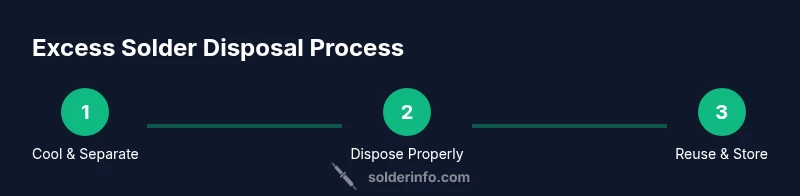
Once solder is cooled and solidified, you can choose several disposal paths. If you’re working with lead-free solder, many municipalities treat scrap as non-hazardous metal waste and accept it at dedicated recycling centers. For lead-containing solder, your best route is a hazardous waste program or a local metal recycler that accepts solder scrap; check your city’s guidelines and the nearest HHW facility. Do not pour or melt solder outdoors or into ordinary trash, and never dump flux residues into the environment.
The SolderInfo analysis highlights the importance of routing solder scrap to responsible channels rather than trashing it. Keep separate bins for lead-containing and lead-free scrap; label them clearly and transport to the correct facility. When consolidating your stock, take advantage of community electronics repair groups or makerspaces that accept scrap for education and reuse. This keeps material in circulation and reduces environmental impact while ensuring compliance with local regulations.
Reuse and repurposing: turning excess into value
A surprising amount of excess solder can find use in future projects, so consider repurposing rather than discarding everything. Short pieces are handy for quick repairs; longer tails can be trimmed and saved for future jobs. For jewelry soldering, prioritize lead-free alloys to avoid health risks and regulatory issues. In electronics, you can practice joints on test boards, and even use small amounts to calibrate temperature profiles on your soldering station.
Before remelting or reballing, verify the alloy type and flux compatibility. Mixing different alloys can cause weak joints or corrosion. If you’re unsure, hold off on remelting and instead salvage into labeled containers for reuse in tutorials and practice boards. Keeping a simple inventory helps you see what’s truly redundant and what’s still valuable.
Storage, labeling, and organization to prevent future buildup
Organized storage prevents accidental disposal mistakes and helps you manage stock levels. Use clearly labeled, sealable metal or heat-resistant containers for each alloy type, and maintain a running log of quantities. For small hobby shops or home setups, a pegboard or cabinet with labeled bins works well. Store lead-containing solder separately from lead-free, and keep fluxes, residues, and cleaning wipes in distinct, ventilated areas. Rotating stock and marking dates on reels help ensure you use older material first and avoid expired flux or contaminated batches.
Label each container with alloy, diameter, and date received. If you work with multiple brands, notes about recommended rework temperatures provide additional safety. A little organizational discipline saves time, reduces waste, and improves safety in every session.
Practical cleanup and environmental considerations
When you finish, clean your workspace of stray solder beads, flux residues, and wipe-down liquids. Use a dedicated brush or scraper to gather waste, then transfer it to its appropriate container. Flux residues can be acidic or caustic; dispose of them according to local rules and avoid dumping onto soil or water. If you melted solder during your session, ensure the crucible is cooled and stored. Consider using a spill kit: absorbent pads and inert absorbents designed for metal and flux spills. Vacuuming is usually discouraged for fine solder dust; damp wiping is safer for many surfaces.
From an environmental standpoint, keeping solder scrap out of landfills reduces pollution. Solder waste recycled at licensed facilities re-enters production streams or is responsibly melted and reclaimed. SolderInfo’s perspective emphasizes following local waste guidelines and using reputable recycling channels to minimize risk to people and ecosystems.
Choosing the right disposal route for different solder types
Not all solders are created equal. Lead-free solders, typically SnCu or SnAgCu, are often treated as standard metal scrap by recycling facilities, but you should confirm with your local program. Lead-containing solders, on the other hand, require handling as hazardous waste and must be transported in sealed, labeled containers to a licensed facility. Some outlets accept lead-containing scrap for special recycling streams; others require you to drop off at HHW events or municipal centers. For small amounts, household disposal programs may exist but are not universal; always verify with authority guidelines and your supplier.
For jewelry and jewelry soldering uses, ensure you use lead-free solder to maintain safety and avoid regulatory issues. In any case, document the disposal path and keep receipts or facility confirmation; this helps when you’re auditing waste and demonstrating compliance.
Tools & Materials
- Safety glasses or goggles(Eye protection against splashes and fumes.)
- Heat-resistant gloves(Protect hands when handling hot solder or crucibles.)
- Soldering tongs or a metal scoop(For moving solidified solder safely.)
- Heat-resistant tray or ceramic container(Cool and contain scrap and waste.)
- Sealed waste containers (separated by alloy)(Label and transport to proper facility.)
- Solder wick or solder sucker(Use for cleanup before disposal.)
- Isopropyl alcohol or flux remover(For surface cleaning.)
- Labeling tools (Sharpie / label maker)(Mark alloy type and date.)
Steps
Estimated time: 30-45 minutes
- 1
Isolate and cool excess solder
Power down equipment, move hot solder to a heat-safe tray, and allow it to cool completely. Do not attempt to move molten solder. Once solid, detach any pieces using tongs. Cooling minimizes fumes and reduces the risk of splashes.
Tip: Always wear PPE and use a heat-insulated tool when handling freshly cooled metal. - 2
Sort by alloy type
Separate lead-free from lead-containing pieces. Keep them in clearly labeled, separate bins to prevent cross contamination and to simplify later recycling or disposal.
Tip: Label bins with alloy type and date received to prevent mix-ups. - 3
Store cooled scrap properly
Place scrap in sealed, labeled containers. Use one container per alloy, and store away from heat sources and moisture. This makes future reuse or transport safer and easier.
Tip: Keep a simple inventory of quantities to avoid accidental overstocking. - 4
Choose disposal route
Check local regulations for lead-containing vs lead-free scrap. Lead-free can often go to metal recycling; lead-containing typically goes to a hazardous waste facility or a licensed recycler.
Tip: Call ahead to confirm facility acceptance and hours. - 5
Salvage for reuse
Remelt lead-free solder only in controlled environments if you plan to reuse it. Avoid remixing with lead-containing alloys. Use scrap for practice joints or future repairs after proper sorting.
Tip: Do not mix alloys; separate and remelt only within appropriate safety controls. - 6
Clean up and document
Finish with workspace sanitation: wipe surfaces, dispose of flux residues per local rules, and log material that was disposed or recycled for compliance.
Tip: Keep receipts or facility confirmations for waste audits.
Quick Answers
Is it safe to pour solder down the drain?
No. Do not pour molten or solid solder down drains. Cool and collect scrap, then dispose through approved facilities per local guidelines. Flux residues should also be handled according to local rules.
No, never pour solder down the drain. Cool and collect it, then dispose through approved facilities and follow local guidelines for flux residues as well.
Can I reuse lead-containing solder?
Lead-containing solder can be reused only with proper handling and in facilities that adequately manage lead hazards. In many cases, it is safer to route it to a licensed recycling stream rather than attempting to reuse at home.
Lead-containing solder can be reused in controlled environments, but usually it’s safer to dispose via licensed recycling streams rather than attempting at home.
Where can I recycle solder?
Check your city’s hazardous waste program or a local metal recycler that accepts solder scrap. If lead-containing solder is involved, seek a licensed facility serving HHW or metal recycling with appropriate permits.
Look up your local hazardous waste program or metal recycler; if lead-containing solder is involved, use a licensed facility.
What about storing leftovers safely?
Store leftovers in clearly labeled, sealed containers for each alloy, away from heat and moisture. Keep a simple stock log and rotate stock to use older solder first.
Store leftovers in labeled, sealed containers away from heat and moisture, and keep a small log for stock control.
Do I need ventilation when melting solder?
Yes. Work in a well-ventilated area or near a fume extractor. Flux fumes and solder vapors can be harmful, especially with lead-containing alloys.
Yes—ensure good ventilation or a fume extractor when melting solder.
Is remelting always safe?
Remelting can be safe with lead-free alloys and proper controls. Avoid remelting lead-containing solder at home; use licensed facilities and proper PPE to manage fumes and handling hazards.
Remelting is safe with lead-free solders and proper controls; avoid home remelting of lead-containing solder.
Watch Video
Top Takeaways
- Separate lead-free and lead-containing scrap.
- Dispose through licensed channels, not the trash.
- Reuse scrap for practice and future projects.
- Label and store material to prevent future buildup.
- Follow local regulations for hazardous waste.