How to Get Rid of Solder Fumes: A Comprehensive Guide
Learn practical, science-based steps to reduce solder fumes in electronics, jewelry, and plumbing work. This guide covers ventilation, PPE, flux choices, and fume extraction, with safety tips from SolderInfo to protect your health.


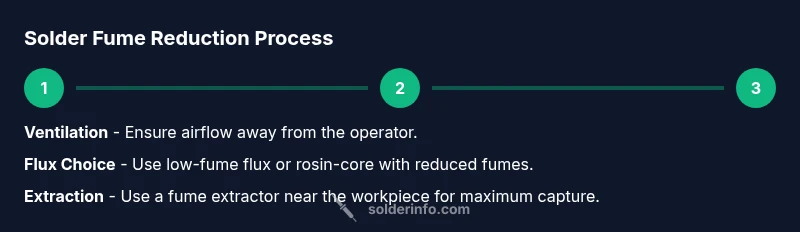
By improving ventilation, using low-fume fluxes, and employing fume extraction, you can dramatically cut solder fumes. Start with a well-ventilated workspace, choose lead-free solder if appropriate, wear PPE, and consider a dedicated fume extractor for sustained work. These steps reduce exposure for electronics, jewelry, and plumbing projects. Consistent practice matters for long-term health.
Why solder fumes matter
Exposure to solder fumes can irritate the eyes, nose, throat, and lungs, especially in enclosed spaces. The SolderInfo team emphasizes that while modern solders and fluxes are safer than in the past, fumes can still pose health risks over time. Prolonged or repeated exposure may worsen respiratory symptoms and trigger sensitivities in hobbyists and professionals alike. Clearing air not only protects your health, but also improves comfort and precision during delicate tasks. The health implications underscore why a layered approach—ventilation, PPE, and extraction—works best for electronics work, jewelry casting, and plumbing repairs.
What causes solder fumes
Solder fumes arise primarily from flux chemistry when heated, releasing volatile compounds that can irritate the eyes, nose, and lungs. Even when using lead-free solders, flux can produce fumes that vary in odor and intensity. Rosin-core and water-based fluxes have different fume profiles; rosin-based fluxes tend to emit resinous fumes, while water-soluble fluxes can leave corrosive residues if not cleaned properly. According to SolderInfo, selecting low-fume flux formulations and practicing proper technique dramatically lowers exposure, especially for longer sessions.
Ventilation basics: natural vs mechanical
Natural ventilation—opening a window or door—can help, but it rarely provides consistent air changes for a busy soldering bench. Mechanical ventilation, such as a fume extractor or a portable ducted fan, offers predictable control over where fumes travel. A good rule of thumb is to position air intake away from your breathing zone and exhaust outside the workshop. For small spaces, combining a window approach with a compact extraction device can achieve meaningful reductions in airborne contaminants.
Personal protective equipment that really helps
Appropriate PPE is a practical line of defense. A correctly fitted respirator rated for organic vapors provides protection during longer or more intensive sessions, complemented by eye protection and heat-resistant gloves. Disposable or reusable NIOSH-approved respirators with organic vapor cartridges are common choices for hobbyists who solder daily. Goggles with indirect venting protect eyes from splashes and fumes without fogging, while a clean, anti-static workspace reduces the risk of accidents.
Choosing solder, flux, and consumables to minimize fumes
Flux types matter for fumes; rosin-core fluxes can emit resin-like vapors, while water-soluble fluxes may require more aggressive cleanup and can corrode sensitive metals if residues are left. When appropriate, select lead-free solder to reduce exposure to hazardous metals, and opt for flux formulations designed for low VOC emissions. In jewelry and electronics work, consider fluxes labeled for reduced fumes or with lower rosin content. Always follow manufacturer recommendations for cleaning after soldering to minimize lingering fumes and residues.
Setting up a dedicated workspace for soldering
A dedicated bench near a ventilation source is ideal. Keep the work area uncluttered, with a clear path for airflow and easy access to a cleanup station. Use a heat-resistant mat, and store flux containers, solder reels, and tools in closed cabinets to limit fumes near your face. If possible, isolate the soldering area from living spaces and run the extractor continuously during work sessions for best results. Consistency in workspace setup pays off over time.
Fume extraction devices and air filtration options
Fume extractors designed for hobby and light industrial use typically feature a hood or nozzle placed close to the workpiece and a carbon- or HEPA-filtered exhaust. Look for devices with adjustable airflow (CFM), a sealed intake, and easily replaceable filters. In small shops, pairing a dedicated extractor with an external vent or window exhaust achieves stronger, more reliable control of fumes. For longer-term setups, consider a high-quality air purifier with a true HEPA filter to reduce secondary aerosols and improve overall air quality.
Safe handling, cleanup, and storage after soldering
After soldering, allow fumes to clear by keeping the room ventilated for several minutes. Clean flux residues with isopropyl alcohol and lint-free wipes, and store fluxes and solders in sealed containers away from heat sources. Dispose of spent flux and waste according to local regulations. Regular cleaning of benches and tools minimizes buildup of fumes-related residues and maintains a safer workspace for future work.
Common mistakes and how to avoid them
Avoid relying on a single fan or a single window as your only ventilation strategy. Don’t skip PPE for any session, no matter how short. Mixing high-flux residues with closed spaces dramatically increases inhalation risks. Finally, neglecting post-solder cleanup can leave toxic residues that continue to off-gas; make cleanup part of your standard workflow.
Tools & Materials
- Soldering iron (adjustable temperature)(Prefer temperature control to minimize flux volatilization.)
- Lead-free solder(Choose a no-lead alloy suitable for your project.)
- Flux (rosin-core or low-fume type)(Select low-VOC formulations when possible.)
- Respirator or mask rated for organic vapors(Fit test and ensure cartridges are not expired.)
- Safety glasses or goggles(Indirect-vented to protect eyes without fogging.)
- Fume extractor or inline ducted fan(Place close to the work surface and vent outside.)
- Activated carbon filter or HEPA purifier(Helps reduce circulating particulates in small rooms.)
- Isopropyl alcohol (IPA) and lint-free wipes(For residue cleaning after soldering.)
- Heat-resistant mat and cleaners(Protect benches and simplify cleanup.)
Steps
Estimated time: 1-2 hours
- 1
Prepare workspace and check ventilation
Clear the bench, position a window or door for cross-ventilation, and set your extractor within arm’s reach of the work area. Verify that the airflow is directed away from your breathing zone and toward an exterior exit.
Tip: Do a quick airflow check by wafting a tissue near the bench to confirm the plume is being drawn away. - 2
Gather tools and materials
Collect your soldering iron, lead-free solder, flux, PPE, and the fume extractor before you start. Having everything at hand minimizes interruptions that can prolong exposure.
Tip: Lay out items on a tray to keep the workspace clean. - 3
Set up fume extraction
Position the extractor close to the joint area and connect ducting to vent outside. If you don’t have ducting, use a filter-equipped purifier with a clear intake path.
Tip: Run the extractor at a steady setting during the entire soldering session. - 4
Choose flux and solder carefully
Select flux with low fumes and solder labeled as lead-free when possible. Avoid water-soluble flux near electronics unless you can ensure thorough cleaning afterward.
Tip: Keep flux bottles closed when not in use to minimize vapor release. - 5
Do a dry run to test airflow
Power up the equipment and observe the airflow around joints. Adjust the extractor angle or bench position if fumes escape toward your face.
Tip: If you see visible vapor near the eyes, reposition the hood. - 6
Solder with proper technique
Apply heat briefly to joints and avoid overheating to limit flux volatilization. Keep the iron clean and avoid excessive flux buildup on the surface.
Tip: Use minimal flux while maintaining a strong joint quality. - 7
Manage waste and residues
Wipe away excess flux with IPA, then dispose of waste according to local regulations. Store spent flux containers securely.
Tip: Never wash flux residues down the drain without proper disposal guidelines. - 8
Post-solder cleanup and air-quality check
Ventilate the room after finishing, and run the purifier for a few more minutes. Inspect the workspace for any lingering odors or residues.
Tip: Document any improvements in airflow for future sessions. - 9
Maintain equipment for ongoing safety
Replace filters as recommended by manufacturers, and perform monthly checks on airflow and bench organization.
Tip: Set a recurring maintenance reminder to keep safety top of mind.
Quick Answers
What are solder fumes, and why are they hazardous?
Solder fumes come from heated flux and solder alloys, releasing substances that can irritate the eyes, nose, and lungs. Even for hobbyists, repeated exposure may cause discomfort or respiratory symptoms. Proper ventilation and filtration reduce these risks.
Solder fumes are the vapors released when solder and flux are heated. They can irritate your airways, especially with long sessions, so use ventilation and PPE.
Are lead-free solders safer for fumes?
Lead-free solders reduce exposure to lead but still emit fumes from flux and alloy components. The safest approach is to improve ventilation and use low-fume fluxes, regardless of the metal.
Lead-free solder helps with lead exposure, but fumes from flux can still irritate; ventilation is key.
Do hobbyists need a respirator for soldering?
For short hobby sessions, a well-fitting respirator with organic vapor cartridges can be helpful, especially in enclosed spaces. If you solder regularly, investing in a proper respirator improves long-term safety.
If you solder frequently or in tight spaces, wear a respirator rated for organic vapors.
How can I improve ventilation in a small workshop?
Open windows or doors when possible and use a fume extractor placed near the work area. Pair with a portable HEPA purifier to reduce airborne particles.
Open a window and use a fume extractor near the work area for better airflow.
Can a fan alone remove fumes?
A fan helps, but it’s not enough by itself. Combine a directional fan with a dedicated extractor to reliably capture fumes close to the source.
Fans help, but you’ll want a real extractor to pull fumes away from your breath.
How should I store flux and solder safely?
Store flux and solder sealed and away from heat and moisture. Label containers and keep them out of reach of children, with proper ventilation in the storage area.
Keep flux and solder in sealed containers away from heat and moisture.
Watch Video
Top Takeaways
- Ventilation matters for reducing exposure
- Lead-free and low-fume fluxes help minimize fumes
- Use a dedicated fume extractor + PPE
- Regular cleanup maintains a safer workspace