How to Solder Indoors: A Practical Guide
Learn how to solder indoors safely and effectively, with ventilation tips, tool lists, step-by-step instructions, and safety reminders for electronics, jewelry, and plumbing projects.


By the end of this guide, you'll be able to solder indoors safely and effectively for electronics, jewelry, and plumbing projects. You’ll need a temperature-controlled soldering iron, lead-free rosin-core solder, flux, a stand, good ventilation, and a bright work surface. Optional tools like a desoldering wick and helping hands can improve precision. This guide follows best practices from SolderInfo to minimize fumes and fire risk.
Why Indoor Soldering Is Practical (With Safety Foundations)
If you're wondering how to solder indoors, the answer is that it can be practical and safe when you follow a few rules; according to SolderInfo, indoor soldering can be safe if you have ventilation and a contained work area. Indoor soldering unlocks the ability to work on electronics, jewelry, and small plumbing tasks without a full workshop. The key is balancing convenience with safety: choose lead-free solder for reduced health risks, keep a clean, dry, smoke-free area, and establish a simple fire-safe protocol. In practice, you’ll work with a temperature-controlled iron, rosin-core flux, and a stable stand, while managing fumes with proper ventilation. By adopting a disciplined setup, beginners can build confidence quickly and expand their skills over time. SolderInfo emphasizes that indoor work is viable when you respect heat, flux chemistry, and ergonomic workspace design, so you can solder without turning your dining room into a danger zone.
Ventilation and Air Quality: Managing Fumes Effectively
Ventilation is the backbone of safe indoor soldering. A dedicated fume extractor placed near the work area dramatically reduces flux and solder fume exposure compared with relying on window venting alone. If a fume extractor isn’t available, position a quiet, high-flow fan to pull air away from your face and toward an open window. Keep the workspace on the well-ventilated side of the room and avoid crowded, poorly ventilated spaces like small closets or basements. Use lead-free solder and rosin-core flux, which can lessen hazardous vapor production. Remember that fumes can accumulate quickly during steady-state work, so pause to check airflow, and step back if you notice irritation in eyes or throat.
Workspace Setup: Lighting, Organization, and Safety
A well-organized workspace minimizes mistakes and accidents. Place your soldering iron on a sturdy stand with the tip pointing away from flammable materials. Ensure adequate lighting to see fine details in tiny joints, and keep a temperature-controlled surface away from paper, solvents, and electronics that could be damaged by heat. Use anti-static mats and grounding straps when handling sensitive electronics. Keep a dedicated, clean area for flux and solder, and separate the flux from other chemicals to prevent cross-contamination. Finally, establish a clear fire-safety plan: know where the fire extinguisher is and never leave a live iron unattended.
Tools and Materials for Indoor Soldering
Essential tools include a temperature-controlled soldering iron, a quality stand, rosin-core lead-free solder, and flux. Add a desoldering braid or pump for corrections, fine-point tweezers, wire cutters, and a magnifier for small components. A third-hand or helping hands device can greatly aid precision. Safety glasses protect your eyes from splashes or hot flux. A compact vacuum or fume extractor is ideal for indoor use, while a well-ventilated window setup is a fallback. Always have a damp sponge or brass wool for tip cleaning and a dedicated workspace rag for cleanup. When working with jewelry or delicate electronics, invest in finer tip shapes and temperature control.
Soldering Workflow Overview for Indoor Projects
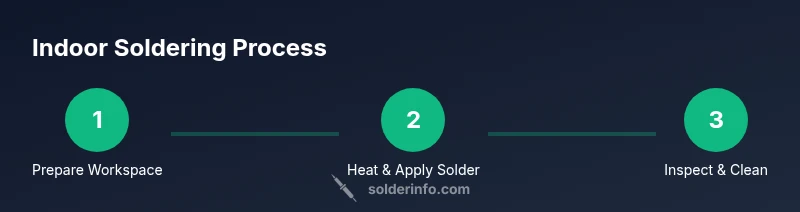
Indoor soldering typically follows a repeatable workflow: (1) secure the board and components, (2) prep joints with flux, (3) heat the joint evenly with the iron, and (4) apply solder to the joint, not the iron tip. For delicate parts, work slowly and use a heat sink to protect sensitive components. Keep the iron at the lowest effective temperature to avoid overheating nearby plastics, tapes, or insulation. Once the joint wets and forms a shiny fillet, remove the heat and inspect. If needed, rework until the joint appears smooth and flat. Leave flux residues to break down naturally or wipe with isopropyl alcohol after cooling. This process minimizes the risk of cold joints and bridges between adjacent pads.
Troubleshooting Common Indoor Soldering Issues
Common issues include cold joints, excessive solder bridges, and overheating the board. If a joint looks dull or cracked, reheat it with steady pressure and add a small amount of flux to improve wetting. Overshooting can cause solder bridges; rework with desoldering braid to remove excess and retin the joint. If components shift while cooling, use a helping hand or clamp to maintain stability. Overheating can melt insulation or damage components, so lower the iron temperature and shorten contact time. Always clean the board after finishing, removing flux residues that can erode solder joints over time.
Maintenance and Aftercare for a Clean, Safe Station
Regular maintenance keeps soldering indoors safe. Wipe the tip on brass wool or a damp sponge, then re-tin the tip to prevent corrosion. Store flux and solder in sealed containers to avoid oxidation. Inspect cables and power cords for wear and replace damaged items promptly. Keep the workspace free of clutter and flammable materials. Clean up flux residues with isopropyl alcohol and a lint-free cloth. Periodically check your fume extractor filters and replace as needed to maintain airflow. Finally, unplug the iron when not in use and allow it to cool completely before storage.
Advanced Tips: Different Materials and Joint Types
Different materials demand different approaches. For electronics with copper and tin-lead or lead-free alloys, maintain steady heat and avoid excessive pressure. For small jewelry joints, use a finer tip and lower temperatures to protect delicate metalwork. When soldering stainless steel or other challenging metals, pre-tin with a foil-backed flux and use a compatible flux for the metal. For plumbing, use lead-free solder and flux that’s appropriate for copper pipes; heat evenly and avoid overheating to prevent joint failure. Practice on scrap pieces to fine-tune heat and flux control before working on your main project.
Quick Reference Checklists for Safe Indoor Soldering
Before you start, ensure you have ventilation, proper PPE, and a stable workspace. Check that the iron is clean and tinned, that you have a flux-solder combination suited to your material, and that your joints are prepped and clamped. After finishing, dispose of waste correctly, clean your tools, and store them away from heat sources. Maintain a clean area free of liquids near the board and ensure all electrical equipment is in good condition. Regularly inspect your safety gear and replace worn items to keep indoor soldering safe.
Tools & Materials
- Soldering iron (temperature-controlled)(Aim for 350-400°C for lead-free flux-core solder; lower temps for delicate components.)
- Solder (lead-free rosin-core)(Prefer Sn99.3 Cu0.7 or similar; rosin-core helps flux delivery.)
- Soldering iron stand(Keeps hot tip away from surfaces; prevents accidents.)
- Flux (rosin-based)(Flux aids wetting and joint formation.)
- Desoldering braid or pump(Used to remove excess solder or correct joints.)
- Flux brush or pen(For applying flux precisely before soldering.)
- Tweezers and small pliers(Handle small components with precision.)
- Wire cutters/stripper(Trim leads cleanly.)
- Safety glasses(Protect eyes from splashes and splatters.)
- Anti-static mat and grounding strap(For electronics to prevent static damage.)
- Fume extractor or desk fan(Ventilate fumes; a dedicated extractor is best.)
- Isopropyl alcohol (rubbing alcohol) and lint-free wipes(Clean flux residue after soldering.)
- Heat sink clips or alligator clips(Protect sensitive components from heat.)
- Scrap copper/metal for practice joints(Practice before real work.)
Steps
Estimated time: 30-45 minutes
- 1
Prepare the workspace
Clear the area of flammables, set up the fume extractor or fan, and arrange tools within easy reach. Connect a grounded power strip and ensure the surface is clean and dry. This first step reduces the risk of accidents and creates a stable baseline for precise work.
Tip: Verify airflow before you start; a stale air setup increases fume exposure. - 2
Tin the soldering iron tip
Heat the iron and apply a small amount of solder to the tip to improve heat transfer and wetting. Wipe away excess on the sponge or brass wool. A well-tinned tip heats parts more consistently and reduces the chance of cold joints.
Tip: A properly tinned tip provides a cleaner, faster joint. - 3
Apply flux to joints
Lightly brush flux onto the joint area to improve solder flow and prevent oxidation during heating. Flux helps the solder grab the metal surfaces and forms a strong bond.
Tip: Use just enough flux; excess flux can cause splatter or solder bridges. - 4
Position components
Secure components with tweezers or a helping hand. Make sure components are oriented correctly and that pads are accessible for heating without crowding neighboring parts.
Tip: Clamp or hold pieces steady to avoid movement while heating. - 5
Heat the joint and apply solder
Place the hot iron tip on the joint and feed solder into the joint, not directly onto the tip. Remove heat as soon as the joint wets and forms a smooth fillet.
Tip: Feed solder gently in one continuous flow to avoid splashing. - 6
Inspect the joint
Look for a shiny, evenly formed fillet with no gaps. If dull or cracked, reheat and add a small amount of solder. Avoid moving parts until the joint cools.
Tip: If the joint looks dull, it’s a sign of insufficient wetting. - 7
Clean up and test
Wipe away flux residues with isopropyl alcohol and inspect electrical continuity. Verify the circuit works with a multimeter or continuity tester before powering the system.
Tip: Test early in the process to locate faults quickly. - 8
Power down and store safely
Unplug the iron after use and let it cool completely in its stand. Store tools in their designated spots and keep flammables away from the work area.
Tip: Always allow the iron to cool completely before storage.
Quick Answers
Is it safe to solder indoors?
Soldering indoors is generally safe when you have adequate ventilation, use lead-free solder, and follow basic fire-safety practices. Always keep the workspace clear of flammables and monitor fumes. Refer to safety guidelines for your materials.
Yes, indoor soldering is safe with proper ventilation and precautions.
What basic tools do I need?
Essential tools include a temperature-controlled soldering iron, lead-free rosin-core solder, flux, a stand, desoldering braid or pump, tweezers, wire cutters, safety glasses, and appropriate ventilation. Additional items like a helping hand and heat sinks improve precision.
You mainly need a soldering iron, solder, flux, and a stand.
Do I need a fume extractor for indoors?
A fume extractor or local exhaust is highly recommended for indoor work. It reduces exposure to flux fumes better than relying on windows alone. If not available, improve airflow with a well-placed fan and an open window.
A fume extractor is strongly recommended for indoor soldering.
Can I use leaded solder indoors?
Lead-free solder is preferred for indoor work due to health considerations. If you must use leaded solder, ensure excellent ventilation and limit exposure, using PPE and proper disposal.
Lead-free solder is safer for indoor work; use leaded only with extra precautions.
How can I avoid cold solder joints?
Ensure proper heat transfer by heating both surfaces adequately and applying solder promptly. Don’t move components until the solder has cooled to form a strong, glossy joint.
Make sure the joint is hot enough and still while you apply solder.
What safety PPE should I wear?
Wear safety glasses, tie back long hair, and avoid loose clothing. Keep a clear space free of flammables and handle acids and solvents away from the soldering area.
Put on safety glasses and keep the workspace free of hazards.
Watch Video
Top Takeaways
- Solder indoors safely with ventilation and proper tools
- Use lead-free solder for lower health risk
- Tin the tip and flux joints for reliable connections
- Inspect joints for smooth, shiny fillets to avoid cold joints
- Maintain a clean, organized, and fire-safe workspace