Amazon Silver Solder: A Practical Buying Guide for 2026
A practical, data-driven guide to buying amazon silver solder: alloy options, flux choices, authenticity checks, and best-practice tips for electronics, jewelry, and plumbing.


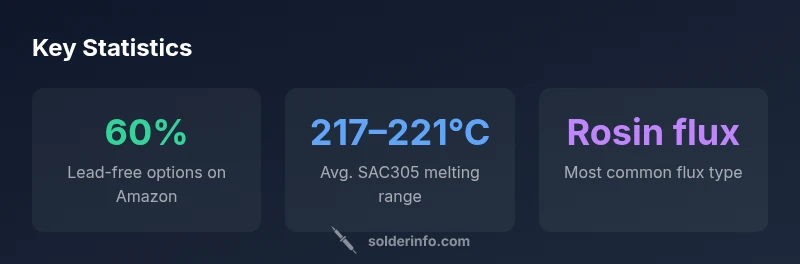
For buying amazon silver solder, choose a lead-free SAC alloy (Sn-Ag-Cu) with rosin flux, preferably SAC305, and verify seller credibility. The typical melting range is 217–221°C, and RoHS-compliant options are widely available on major retailers, with higher silver content offering stronger joints but higher cost. According to SolderInfo, avoid generic 'silver solder' listings without alloy specs, check packaging, batch numbers, and ensure flux type matches your project's needs.
What amazon silver solder really is
In online marketplaces like Amazon, the phrase amazon silver solder often refers to a family of tin-silver-copper alloys used for joints that require a higher silver content. When shoppers search for amazon silver solder, they are typically looking for a lead-free option that melts at a moderate temperature and yields a strong, conductive joint. However, alloy composition and flux type can vary widely by seller. According to SolderInfo, the most reliable choices are lead-free SAC alloys (Sn-Ag-Cu) with clearly stated composition and flux. Read product specs carefully, confirm the alloy code (for example SAC305), and verify that the listing includes a compatible flux and rosin/resin type. Always prefer sellers who include batch numbers and RoHS compliance. The goal is to select an alloy that matches your project, whether electronics, jewelry, or plumbing, while avoiding vague listings.
Key considerations when shopping for amazon silver solder
When evaluating amazon silver solder options, focus on four core factors: alloy composition, flux type, packaging and quantity, and seller trust signals. - Alloy composition: Lead-free SAC305 is the most common standard for electronics-grade work and is widely documented in hobbyist and professional references. - Flux type: Rosin-based flux is forgiving for many applications, while water-soluble flux can simplify cleaning but may require more immediate cleanup. - Packaging: Look for clear labeling (exact alloy code, silver content, and weight), and check for intact packaging that protects the flux. - Seller trust: Favor listings with detailed specs, batch numbers, photos of the solder reel, and a robust return policy. These cues help ensure you’re not purchasing an unclear or counterfeit product.
The role of flux and alloy composition
Flux and alloy composition work together to create reliable joints. Silver-bearing SAC alloys require flux to remove oxides and enable metal-to-metal bonding. Rosin fluxes are common for electronics because they leave minimal residue after cleaning, while water-soluble fluxes can provide more active cleaning for heavy oxidation but require thorough rinsing. The alloy composition—often Sn-Ag-Cu with varying silver content—determines melting behavior, joint strength, and resistance to thermal shock. When shopping on Amazon, prioritize compositions that specify the exact solder code (e.g., SAC305) and ensure the flux type is listed. This clarity reduces guesswork during assembly and improves outcomes in electronics, jewelry, and plumbing tasks.
Safety, handling, and storage considerations
Soldering with silver alloys involves high temperatures and flux fumes, so PPE matters. Work in a well-ventilated area, wear safety glasses, and use appropriate gloves. Store solder reels in a cool, dry place away from moisture and direct sunlight; keep away from children and pets. RoHS-compliant, lead-free options reduce some health risks, but flux residues can still irritate skin or eyes, so wash hands after handling and clean work surfaces. If you’re using water-soluble flux, rinse thoroughly to prevent corrosion on sensitive metals. Always follow the manufacturer’s safety data sheet and your local regulations when disposing of flux residues.
Practical tips for electronics, jewelry, and plumbing applications
- Electronics: Use SAC305 or similar with rosin flux; avoid overheating components and consider pre-tinning narrow pads for clean joints. - Jewelry: For decorative or structural joints, higher silver content can improve durability, but watch for brittleness; flux selection matters for decorative metals. - Plumbing: Silver-bearing solders are used for brazing or soldering copper and brass; ensure thermal compatibility with fittings and proper heat control. Always clean joints after soldering to remove flux residues and inspect for voids or cold joints.
How to identify counterfeit or poor-quality listings on Amazon
Counterfeit or vague listings often lack precise alloy codes or show ambiguous packaging. Look for: clear alloy designation (e.g., SAC305), a visible batch/lot number, compatible flux type, and verified seller badges. Examine product photos for reel markings and ask the seller for a certificate of conformity if possible. Read reviews for reports of poor joints, residue, or inconsistent alloy composition. If a listing sounds too vague or the price is dramatically lower than typical market rates, treat it as a red flag and seek a more reputable seller.
Maintenance, inspection, and post-solder care
After completing a solder joint, inspect for uniform fillets and absence of voids. Clean flux residues thoroughly; use isopropyl alcohol or proper cleaners recommended for your alloy. If joints look dull or brittle, rework with controlled heat exposure and fresh flux. For jewelry and delicate metals, ensure you don’t overheat to avoid annealing or warping. Regular maintenance and careful inspection prolong joint reliability and reduce failure risk in electronics, jewelry, and plumbing systems.
Overview of common silver solder alloy families found on marketplaces like Amazon
| Type | Alloy base | Typical application | Melting range | Notes |
|---|---|---|---|---|
| SAC305 (Lead-free) | Sn-Ag-Cu (lead-free) | Electronics PCB assembly | 217–221°C | Widely used; RoHS-compliant; clear alloy specs with batch numbers |
| SAC387/SAC405 variants | Sn-Ag-Cu (lead-free, higher Ag) | Jewelry and metal arts | Above 221°C | Higher silver content strengthens joints but can cost more |
| Silver paste solder | Silver-containing solder paste | Surface-mount or jewelry repairs | Melting range varies by paste | Requires flux and precise rework methods |
Quick Answers
What is amazon silver solder?
Amazon silver solder refers to silver-bearing SAC alloys sold through Amazon listings. These are typically lead-free and paired with a flux. Always check the exact alloy code (like SAC305) and ensure the flux type is specified. This helps ensure compatibility with your project and improves joint quality.
Amazon silver solder usually means SAC alloys sold on Amazon with a specified flux. Look for exact alloy codes and flux type to ensure compatibility.
Is silver solder the same as lead solder?
No. Silver solder (often SAC alloys) is typically lead-free and has a higher melting point than traditional leaded solders. Lead solder (e.g., 60/40) melts earlier and has different corrosion and health considerations. For modern electronics and jewelry work, lead-free options are generally preferred.
Silver solder is usually lead-free and melts hotter than traditional lead-based solders. Lead solder is an older standard but carries health concerns.
How can I verify authenticity on Amazon?
Check for exact alloy codes, batch numbers, clear photos showing reel markings, and a verified seller badge. Read reviews for mentions of inconsistent alloy composition. If in doubt, contact the seller for a certificate of conformity or switch to a reputable supplier.
Look for exact alloy codes, batch numbers, and solid seller credibility. Don’t hesitate to ask for certificates if possible.
Can I use flux with amazon silver solder for electronics?
Yes, but choose a flux compatible with your alloy and components. Rosin flux is common for electronics, while water-soluble flux can require more post-cleaning. Always follow manufacturer guidance for flux reactivity with plastics and adhesives.
Choose flux that matches your solder and project; rosin is common for electronics, but follow the flux's instructions.
What safety gear should I use when soldering silver solder?
Wear safety glasses, heat-resistant gloves, and work in a well-ventilated area. Use a fume extractor if possible and keep a clean workspace to avoid accidental burns or chemical exposure from flux residues.
Always wear eye protection and gloves, work in a ventilated area, and keep flux residues cleaned up.
“"Choosing the right alloy and flux is the single most important factor for joint reliability, especially when shopping from marketplaces like Amazon."”
Top Takeaways
- Choose lead-free SAC alloys with clear specs
- Match flux type to your project for best results
- Verify seller credibility and batch numbers
- Read product labels before buying on marketplaces
- Inspect joints and clean flux residues after soldering