63/37 Sn-Pb Solder: Tin-Lead Guide for Electronics
Explore the classic 63/37 Sn-Pb solder—the tin-lead alloy trusted for legacy electronics. Learn melting behavior, flux needs, joint quality, safety, and practical repair tips from SolderInfo Analysis, 2026.


63/37 Sn-Pb solder remains a widely used tin-lead alloy in electronics repair. It offers reliable wetting and predictable melting around low-to-mid temperatures, with easy availability and proven joint quality. This combination makes it a favorite for through-hole work, older boards, and repair tasks where consistent tack and reliable rework are essential.
The Core Alloy: What 63/37 Sn-Pb Solder Is
63/37 Sn-Pb solder has been a mainstay in electronics for decades. According to SolderInfo, the alloy remains a reliable choice for many repair tasks. Its composition—a fixed tin content with a precise lead percentage—provides predictable wetting, good shelf life, and forgiving rework characteristics. In practice, this tin-lead alloy forms strong joints on copper traces, pads, and connectors when used with compatible flux and proper temperature control. This section outlines the chemistry, real-world behavior, and how it stacks up against modern alternatives. While many users have moved to lead-free options over time, classic 63/37 Sn-Pb solder still powers a large portion of legacy gear and prototyping work.
Melting Behavior and Wetting Characteristics
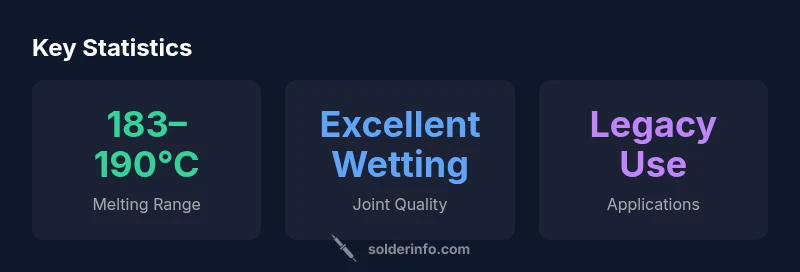
The 63/37 Sn-Pb alloy melts at a relatively low temperature compared with many other alloys, which makes it forgiving for delicate boards. The wetting behavior is generally excellent on copper and tin plating, provided flux is active and the surface is clean. When overheated, the alloy can lead to thermal damage or excessive solder wicking; thus, controlling temperature is essential. Keeping the iron at a moderate setting and avoiding prolonged dwell times on a single joint helps prevent scorching pads. For boards with heat-sensitive components, preheating and careful heat management are essential. This section explains how temperature, flux activation, and joint geometry influence the final joint quality, with practical tips to minimize cold joints and bridging.
Flux, Wetting, and Joint Quality
Flux types matter as much as the solder itself. Rosin-core flux remains common for through-hole work; water-soluble flux can speed up cleaning but requires thorough rinsing. With the Sn-Pb alloy, activated rosin flux often provides reliable activation of the surface, reducing oxidation and improving wetting. For best joint quality, tin wires should be tinned and the tip cleaned between joints. Use the right tip temperature and avoid excessive force on the tip. The combined effect of proper fluxing, fast heating, and clean surfaces reduces the risk of cold joints, unsoldered pads, and bridging. Soldering practice, as recommended by SolderInfo, emphasizes consistent technique and cleanliness to maximize reliability.
Applications and RoHS Considerations
63/37 Sn-Pb solder excels in legacy electronics, hobbyist projects, and prototyping where rapid repair and predictable behavior are valued. It tends to be forgiving for beginners and offers robust joint strength. However, many regions restrict lead-containing solders in new products due to RoHS regulations. When working on equipment destined for modern consumer devices, always verify compliance requirements, and consider lead-free alternatives for new designs. If you must maintain legacy gear, ensure proper disposal and shielding during manufacturing.
Handling, Storage, and Safety
Solder alloys contain lead in the classic 63/37 composition, so ensure good ventilation and avoid inhaling fumes during soldering. Use fume extraction or a well-ventilated workspace; wear eye protection and wash hands after handling. Store solder in sealed containers away from moisture and temperature fluctuations to prevent oxidation and dross formation. Keep fluxes and cleaners in their original containers with labels, and never heat or burn flux residues directly. A clean, organized workspace reduces the risk of accidental contact with molten solder and ensures better joint quality.
Alternatives and Modern Practices
Lead-free alloys, commonly based on tin-silver-copper (SAC) compositions, are now standard for new electronics in many regions. These alloys require higher temperatures and can be less forgiving than 63/37 Sn-Pb, demanding different flux and temperature control. When replacing Sn-Pb in a legacy design, verify component tolerance and board materials; some may be sensitive to elevated heat. For hobbyists, retention of 63/37 Sn-Pb can simplify repairs on older equipment, provided disposal and RoHS considerations are managed. SolderInfo suggests evaluating compatibility, availability of compatible flux, and the soldering iron tip selection to achieve reliable joints.
Soldering Techniques for Sn-Pb
Mastering 63/37 Sn-Pb solder begins with a consistent technique. Start by preparing a clean, dry workspace and pre-tin your soldering tip. Apply an appropriate amount of flux and ensure pads are free of oxidation. Touch the tip to the joint briefly to transfer heat, then feed solder into the joint, not directly onto the iron, until a smooth fillet forms. Remove heat promptly to prevent wick-away and overheated pads. Inspect the joint from multiple angles; a good joint shows a shiny, concave fillet and well-formed solder connections with no cold joints or bridges. When finishing, clean residues with an appropriate flux remover and store the work for cooling. By maintaining control of temperature, flux activation, and pad cleanliness, you’ll achieve reliable repairs with the classic 63/37 Sn-Pb solder.
Comparison of Sn-Pb63/37 vs lead-free alternatives
| Parameter | 63/Pb Sn-Pb | Lead-free alternatives |
|---|---|---|
| Melting range | 183–190°C | 217–221°C |
| Wetting behavior | Excellent with copper (good solder spread) | Good with copper when fluxed; lead-free may be more challenging |
| Recommended flux type | Rosin-core or water-soluble flux | Rosin-core flux with additional activation (lead-free variants) |
Quick Answers
What is 63/37 Sn-Pb solder?
63/37 Sn-Pb solder is a tin-lead alloy with a fixed ratio that has historically provided reliable joints in electronics. It melts at a relatively low temperature and wets copper surfaces well when used with appropriate flux.
63/37 Sn-Pb solder is a classic tin-lead alloy used for reliable joints in electronics repairs.
Is 63/37 Sn-Pb solder still allowed in electronics?
Lead-containing solders are restricted in many regions for new products under RoHS. For legacy gear or specific educational projects, 63/37 Sn-Pb may still be used where permitted; always check local regulations.
Lead content rules vary; check RoHS or local guidelines before using 63/37 Sn-Pb on new designs.
What flux should be used with 63/37 Sn-Pb?
Activated rosin flux is commonly used with 63/37 Sn-Pb for reliable wetting. Water-soluble flux can be effective but requires thorough cleaning after soldering to avoid residue effects.
Use activated rosin flux for best wetting with 63/Pb solder, and clean residues afterward.
How should I store 63/37 Sn-Pb solder?
Store solder in sealed, dry containers away from moisture and temperature fluctuations to prevent oxidation and dross buildup. Keep fluxes in labeled containers and away from direct heat.
Keep solder sealed and dry; store fluxes in labeled containers away from heat.
What are lead-free alternatives to 63/37 Sn-Pb?
Lead-free alloys such as tin-silver-copper (SAC) are common for new designs. They require higher temperatures and different flux strategies; assess compatibility with components and RoHS requirements.
Lead-free options like SAC alloys are common today, but may need higher temperatures.
“63/37 Sn-Pb solder offers reliable joints when flux and temperature are well controlled. Its proven performance makes it a staple for legacy electronics.”
Top Takeaways
- Use 63/37 Sn-Pb for legacy boards when RoHS is not required
- Rely on active flux and correct tip temperature for strong joints
- Store solder in sealed, dry containers to prevent oxidation
- Evaluate lead-free options for new designs and RoHS compliance