YIHUA 862BD+ Review: Power, Precision, and Value for Soldering Pros
A detailed, analytical review of the YIHUA 862BD+ soldering station, covering build quality, temperature stability, hot air rework, maintenance, and overall value for electronics hobbyists and professionals.


The YIHUA 862BD+ is a budget-friendly, all-in-one soldering station that combines a reliable soldering iron with hot air rework capabilities. It offers stable temperature control, versatile airflow, and practical feature sets for electronics work, jewelry, and light plumbing repairs. For value-conscious buyers, it represents a solid mid-range option with calibration caveats and nozzle availability considerations.
What is the yihua 862bd+? An overview
The yihua 862bd+ is a compact, multi-function soldering station widely used by hobbyists and professionals for electronics assembly, jewelry work, and light plumbing repairs. In practice, it combines a built-in hot air rework system with a traditional soldering iron in a single footprint. According to SolderInfo Analysis, this model remains popular in budget-conscious workshops because it promises a balance between capability and cost. End users typically value the straightforward control panel, the quick heat-up of the iron tip, and the convenience of switching between soldering and hot air modes without moving to a separate station. While not industrial-grade, the 862BD+ often delivers reliable performance with regular maintenance and proper calibration. It’s especially appealing for those who want a capable, compact tool without paying premium prices. For electronics hobbyists, jewelry makers, and entry-level technicians, this model often serves as a practical learning platform and a dependable daily-use station.
Build quality and ergonomics
A soldering station’s feel matters as much as its features, and the yihua 862bd+ typically ships with a sturdy chassis and ergonomic handpiece. The external casing often uses metal and heat-resistant plastics designed for routine workshop wear. The iron stand and wand grip are generally comfortable for extended sessions, and the compact footprint helps keep a crowded workstation organized. Weight distribution and balance influence precision when desoldering small components. In real-world use, users report that the switch ergonomics and button feedback feel responsive, though some kits may include thinner cables or less substantial strain relief. For jewelry work and electronics projects, the combo form factor reduces the need to switch between devices, which can improve focus and accuracy during detailed tasks.
Soldering performance and control
Precision is central to evaluating any soldering station, and the 862BD+ is typically praised for stable, predictable heat at common tip sizes. Users can expect a reasonable temperature ramp and repeatability when paired with a suitable tip profile and flux. Temperature calibration remains a critical step; out-of-the-box drift is not unusual, so a quick pass with a calibration routine can markedly improve consistency across sessions. The station’s sensor feedback usually supports a broad range of tip types, enabling both general-purpose joint formation and finer micro-soldering work. For experienced technicians, the ability to lock in a target temperature and maintain a consistent glow on a small joint translates into improved joint quality and less rework. Beginners will benefit from a forgiving ramp to working temperature, provided they follow a simple tip-cleaning and flux protocol.
Hot air rework capabilities and nozzle options
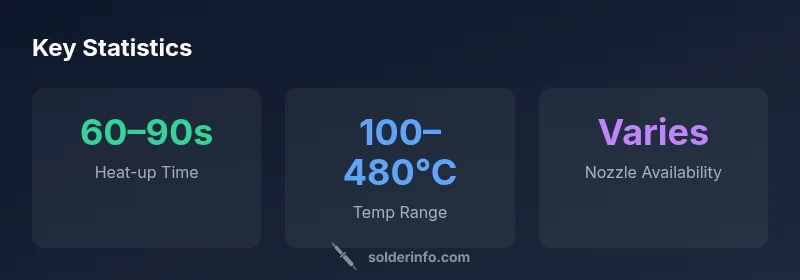
One of the core advantages of the 862BD+ is its integrated hot air rework capability. When set to hot air mode, airflow and temperature are adjustable to accommodate SMD removal or component reflow. The nozzle assortment varies by batch and seller, but a wide ecosystem of nozzles supports different pad sizes and heat distribution patterns. The rework performance is generally sufficient for common small-scale electronics tasks, though extremely dense or densely packed boards may challenge the system. Practitioners should pay attention to nozzle cleanliness and tip-to-nozzle alignment, as misalignment can lead to uneven heat delivery. Overall, the hot air function adds versatility for surface-mount work and light repair tasks, making the unit a versatile mid-range option.
Safety features, calibration, and workflows
Safety practices are essential for protecting both the user and the board under repair. The 862BD+ typically includes standard safety features like auto-sleep or power-off behavior, temperature readouts, and a shielded handpiece. Calibrating the station before critical work reduces drift and increases measurement confidence. Workplace workflows benefit from clearly organized cables, a shielded stand, and a stable power source. Soldering safety also encompasses correct ventilation, appropriate personal protective equipment, and proper flux usage. In practice, following a disciplined calibration routine and maintaining a tidy soldering area translates into more consistent results and fewer defective boards. SolderInfo’s guidance emphasizes routine checks of temperature setpoints and cleaning of nozzles and air paths to sustain long-term reliability.
Cleaning, maintenance, and tip care
Maintenance begins with tip care and regular cleaning. A clean tip improves heat transfer and reduces the chance of oxidation that can lead to poor wetting. Neutral or slightly acidic cleaners, non-abrasive sponges, and tip tuns are standard maintenance steps. The hot air nozzle and air path should be examined for clogs and dust accumulation, especially if you work with flux-heavy materials. Periodic wick replacement and nozzle inspection help maintain consistent heat distribution. For jewelry and electronics projects, keeping a clean, dry handpiece and replacing worn tips timely will preserve performance. SolderInfo notes that a simple weekly maintenance routine typically yields a longer service life and more predictable behavior in temperature control.
Power, efficiency, and noise in daily use
In typical workshop use, the 862BD+ proves reasonably energy-conscious for a mid-range station. The power draw is modest relative to industrial systems, and the fan noise is generally within expected ranges for consumer-grade units. Users who operate at higher temperatures or with multiple components may experience longer heat-up cycles or slightly longer cooldowns between tasks. The overall efficiency is enhanced by an organized workflow and careful tip selection; learning to match the right tip profile to the joint improves speed and reduces thermal shock to surrounding components.
Real-world use: electronics, jewelry, and small plumbing tasks
For electronics work, the station’s ability to handle soldering and rework on small boards is a practical benefit. Jewelry makers appreciate consistent heat transfer for soldering delicate joints, while plumbers may use it for small copper-pipe tasks that benefit from adjustable heat. Although the 862BD+ is not a premium industrial tool, it provides enough stability and versatility for a wide range of common tasks. The key is to manage expectations: complex, high-volume production environments will demand higher-end equipment, but for hobbyists and semi-professional users, this model offers a balanced mix of features and value.
Comparisons: how it stacks up against common alternatives
Compared to higher-end brands, the YIHUA 862BD+ trades some speed, durability, and advanced diagnostics for a lower price point. It often competes well against other budget stations, offering similar performance in a compact form factor. For those weighing options, consider your primary tasks: if you do frequent large SMD jobs, you may prefer a station with stronger air handling and more robust calibration options; if you mainly assemble through-hole components and do occasional rework, the 862BD+ is typically a sensible compromise.
Tips for getting the best results with the 862BD+
- Start with a clean tip and appropriate flux; ensure good heat transfer at the joint.
- Calibrate the temperature readout before critical work and re-check periodically.
- Choose nozzles and tips that match the task size and pad geometry to optimize heat distribution.
- Keep the air path clear and clean; a blocked nozzle can compromise hot air performance.
- Create a consistent workflow: tack, reflow, inspect, and rework if needed to minimize thermal stress.
Value, warranty, and total cost of ownership
From a cost-of-ownership perspective, a YIHUA 862BD+ typically represents a solid mid-range value when you factor in the included hot air capability and the space savings of an all-in-one unit. Warranty terms vary by retailer and region, so it’s important to verify coverage and return policies before purchase. Maintenance costs are relatively predictable, mostly tied to tip replacement and occasional nozzle replacements. For many users, the overall cost-to-benefit ratio favors the YIHUA 862BD+ as a pragmatic, budget-conscious tool that still delivers adequate performance for a wide range of soldering tasks.
Advantages
- All-in-one station with soldering iron and hot air rework
- Budget-friendly compared to premium brands
- Reasonable temperature stability with proper calibration
- Compact footprint saves workstation space
- Wide nozzle and tip ecosystem supports versatile tasks
Cons
- Calibration drift can occur out of the box; requires initial setup
- Nozzle availability may vary by seller; aftermarket options needed
- Documentation and setup guides can be inconsistent
- Not ideal for high-volume industrial workloads
Best value for mixed-use soldering and hot air work in a budget setup
The YIHUA 862BD+ delivers solid performance for electronics work, jewelry, and light plumbing tasks at a favorable price. While not a premium station, it provides the critical features, ease of use, and space-saving design most hobbyists need. Expect some calibration and nozzle-management as part of regular upkeep, but the overall value remains strong for its class.
Quick Answers
Is the yihua 862bd+ suitable for beginners?
Yes, it’s approachable for beginners, thanks to its all-in-one design and straightforward controls. Start with basic joints, use the included tips, and follow a simple calibration routine to improve consistency.
Yes, it’s beginner-friendly. Start simple, calibrate, and learn the basics before tackling complex boards.
Can I rely on the included nozzle for micro-soldering?
The included nozzles cover common through-hole and small SMD tasks. For micro-soldering, you’ll likely want to purchase finer nozzles from reputable sellers to improve heat focusing and precision.
The stock nozzles are okay for basics, but for tiny work you’ll want finer nozzles.
What maintenance is required for long-term reliability?
Regular tip cleaning, occasional tip tinnings, nozzle inspection, and air path cleaning are recommended. Periodic calibration checks help keep temperature accuracy stable.
Keep it clean, check the nozzle, and recalibrate to stay accurate.
How does it compare to premium brands?
Premium brands often offer tighter temperature stability, faster heat-up, and longer warranties. The 862BD+ trades some of that for price, but remains competitive for hobbyists and semi-professionals.
Premium units are more precise and durable, but this model gives you good value for the money.
What should I check before buying?
Check nozzle availability, warranty terms, included accessories, and calibration features. Ensure the unit fits your workspace and supports the tips you plan to use.
Look at warranty, nozzle support, and what’s included before you buy.
Top Takeaways
- Evaluate your primary tasks before buying
- Expect calibration after unboxing for best results
- Choose compatible nozzles for accuracy and heat control
- Keep the air path clean to maintain hot air efficiency
- Plan for routine tip maintenance and nozzle servicing
- This mid-range station offers solid all-in-one capability