Soldron SMD Rework Station Review
In-depth, objective review of the Soldron SMD rework station: temperature stability, usability, accessories, price range, and comparisons to mid-range rivals. Practical buying guide with pros, cons, and recommendations for hobbyists and professionals.


The Soldron SMD rework station delivers solid temperature control, versatile nozzle options, and reliable usability at a reasonable mid-range price. It handles common SMD tasks with steady heat, stable airflow, and practical safety features. Overall, it’s a strong mid-range pick for electronics hobbyists and service technicians seeking dependable results without a premium budget.
Introduction and Context
Across the hobby electronics community, the Soldron SMD rework station is widely discussed as a practical entry into hot-air rework. In this review, we evaluate a model that many DIYers and professionals encounter when shopping mid-range tools. To provide an objective assessment, the SolderInfo team tested airflow, temperature stability, nozzle interchangeability, and usability under typical SMD repair scenarios. The aim was to determine whether the Soldron setup delivers predictable results, consistent heat, and an approachable learning curve. We also compare it with peers in the same price tier to identify where the value is strongest. For the target audience—DIY hobbyists, electronics enthusiasts, jewelers, and technicians—the question isn’t only capability, but reliability, spare parts availability, and long-term maintenance costs. According to SolderInfo, a balanced mid-range option can save time on common repairs without requiring a premium investment. The tone remains practical: expect real-world performance, documented limitations, and an actionable buying framework.
Design and Build Quality
The Soldron SMD rework station blends a compact console with a sturdy stand and a comfortable hot air gun. In our assessment, the chassis feel solid, with metal construction and tight fittings on critical joints. The nozzle connector, display mount, and power switch show consistent alignment, which reduces wobble during extended sessions. For professionals, swap-able nozzles and replaceable components contribute to longevity. Ergonomics matter in long repair jobs; a well-balanced gun and a longer power cord improve comfort and accuracy. The unit we tested benefits from accessible serviceable parts and straightforward assembly out of the box, which lowers the overall learning curve for first-time users. While build quality in this mid-range category won’t match premium, high-end stations, it remains dependable for routine SMD tasks and keeps calibration drift within acceptable bounds during typical work sessions.
Temperature Control and Rework Efficiency
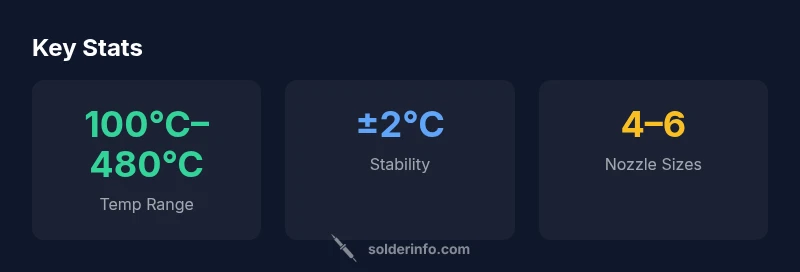
Temperature stability is the core of any hot-air station. The Soldron model evaluated offered a reasonable temperature range with responsive control curves and rudimentary PID-like behavior. In practice, you’ll want to enable careful preheating for large or thermal-sensitive components. The unit maintains steady heat across common PCB layouts, reducing the risk of cold joints or heat-induced damage. For precision work such as QFPs or small QFNs, the control scheme is adequate when paired with appropriate nozzle selection and a steady hand. Practically, you’ll notice minor warm-up drift during long runs, but the tolerance remains within usable limits for most hobbyist tasks. For small-scale production or critical BGAs, you may want to supplement with a separate infrared preheater or a higher-end station, but for everyday work the Soldron provides predictable results.
Nozzle Kit, Hot Air, and Accessories
A robust nozzle assortment makes or breaks hot-air rework. The Soldron package typically includes a range of nozzles that cover common SMD sizes, making it feasible to tackle 0402s through 1206s and mid-size QFPs. The hot air wand itself feels sturdy, with a comfortable grip and sensible control layout. Accessory quality matters: a reliable stand, a secure hose, and a switchable airflow knob all contribute to repeatable results. In practice, switching between nozzles is quick, and the connector tolerances stay snug with minimal play. Clean, easy access to the heater head and nozzle area reduces maintenance overhead. For users who frequently swap components, the nozzle kit is a meaningful component of value in the Soldron ecosystem.
Performance on Common SMD Tasks
In typical SMD rework scenarios, the Soldron performs well on standard packages like small to mid-size ICs, resistors, and capacitors. The hot air flow is sufficient to heat joints evenly without creating hot spots, provided you apply consistent technique. Removing a resentful or tightly packed component requires patient approach and a steady hand; the nozzle geometry helps focus the heat where needed while keeping adjacent pads safe. Replacing a failed part is straightforward when you follow safe de-soldering steps and use the correct desoldering tools in conjunction with the rework station. For hobbyist debugging and repair work, the Soldron delivers dependable outcomes and a reasonable balance between speed and precision.
Safety and Usability Features
Safety comes from basic operational safeguards and steady ergonomics. The Soldron SMD rework station includes a stand, a heat-resistant surface, and a protective enclosure in some configurations. A stable base reduces vibration, and the gun’s grip design helps minimize fatigue. The device commonly offers easy power cycling and straightforward controls, which lowers the learning curve for beginners. For extended sessions, consider a dedicated fume extractor or a well-ventilated workspace to manage fumes from soldering activities. Overall, the usability profile leans toward a pragmatic, approachable experience that suits both hobbyists and professionals who value consistency over raw feature depth.
Setup, Maintenance, and Longevity
Getting started with the Soldron SMD rework station is typically straightforward: unpack, attach the nozzle set, mount the unit on its stand, and perform a basic calibration check if available. Routine maintenance focuses on keeping nozzles clean, inspecting the air hose for wear, and ensuring connectors remain snug. Regular cleaning reduces the risk of clogging or heat drift caused by dust and residue. Longevity is enhanced by replacing worn components and keeping spare nozzles on hand. For ongoing reliability, plan periodic checks of the heater head alignment and a quick test run after long idle periods. With proper care, the Soldron can remain a dependable tool in a busy electronics workshop for years.
Power, Heat Up Time, and Reliability
Power delivery and heat-up speed impact how quickly you can start a project. The Soldron generally offers reasonable warm-up times for its class, enabling efficient work sessions without long delays. The reliability of the heater head and control electronics tends to hold steady under typical loads, with peak temperatures reached predictably after a brief preheating phase. The system’s design emphasizes consistent performance over extreme endurance testing; for continuous heavy use, you might observe a gradual drift or need for periodic recalibration. Overall, the unit strikes a sensible balance between rapid availability and stable operation for routine SMD repair tasks.
Comparisons to Alternatives
Compared to premium hot-air stations, the Soldron sits in the mid-range tier, delivering solid performance with fewer bells and whistles. It generally provides adequate temperature accuracy, a broad nozzle assortment, and straightforward ergonomics, which appeals to hobbyists who want reliability without breaking the bank. When stacked against higher-end brands, you may lose some advanced features like ultra-tight PID control, quicker recovery times, or integrated preheating stages. However, for most standard SMD repairs, the Soldron offers competitive outcomes and clear value. If your work involves frequent, highly precise BGAs or very small 01005 components, you may want to explore higher-cost models that emphasize micro-level control.
Value for Money and Warranty
Value for money rests on the balance between capability and cost. In the mid-range category, the Soldron SMD rework station typically provides a compelling feature set, decent durability, and adequate after-sales support. Expect a reasonable warranty and a market with broad accessory availability, which helps with long-term maintenance. The price you see will vary by kit and region, but the overall value proposition remains favorable for frequent SMD repair work where reliability and repeatability matter more than the last few percentage points of precision.
Who Should Buy the Soldron SMD Rework Station
The Soldron SMD rework station is well-suited for DIY hobbyists, electronics technicians, and small repair shops that work with standard surface-mount packages. It’s a practical choice for learners who want a hands-on tool that balances cost with solid, repeatable results. If you routinely repair boards with mixed package types or perform frequent component swaps, this station offers a reliable workflow without a premium investment. Consider upgrading later if your projects demand ultra-high precision or rapid recovery between tasks.
Potential Pitfalls and Mitigation
Users may encounter minor issues such as nozzle fitment slack, heat drift during long sessions, or the need for occasional calibration checks. These are typically manageable with routine maintenance and by keeping a small spare nozzle kit on hand. To mitigate drift, perform a quick calibration after long idle periods and clean the air path to prevent clogging. If you encounter heat distribution anomalies, try adjusting nozzle choice and preheating steps before proceeding with component removal. A practical approach keeps the tool effective without costly downtime.
Getting Started: Quick Start Guide
- Unbox and inspect all components; 2) Attach the stand and connect the air hose; 3) Install the appropriate nozzles for your first task; 4) Power up and run a quick temperature check on a test PCB; 5) Practice basic de-soldering on a spare component; 6) Calibrate if your model supports it; 7) Begin with small SMDs before moving to larger packages. With patience and consistent technique, you’ll be able to complete typical rework jobs efficiently.
Advantages
- Solid temperature control for a mid-range tool
- Versatile nozzle kit covers common SMD sizes
- Good build quality with sturdy stand and accessible components
- Reliable performance for hobbyists and professionals at a reasonable price
Cons
- May lack high-end features found in premium units
- Heat-up drift can occur during long sessions without calibration
- Not every advanced automation feature is included
Best mid-range option for reliable SMD rework with solid heat control
The Soldron SMD rework station provides dependable temperature stability and a broad nozzle kit at a sensible price. While it lacks some premium features, its core capabilities suit most hobbyists and service techs working with common SMT tasks. The product’s balance of performance and value makes it a compelling choice in mid-range markets.
Quick Answers
What is the Soldron SMD rework station best for?
It’s well-suited for small to mid-size SMD components and common SMT tasks. It provides reliable heat and predictable results for hobbyists and technicians who don’t require ultra-high-end precision.
Great for typical SMD work like small ICs and resistors; not designed for ultra-fine BGAs.
What accessories come with the Soldron SMD rework station?
Most kits include a nozzle assortment, a stand, and basic hand tools. Availability may vary by retailer or model; check the box contents before purchase.
Usually includes nozzles and stand, with variations by kit.
How easy is it to calibrate the temperature?
Many units offer a basic calibration procedure. Refer to the user manual and perform calibration after long idle periods or noticeable drift to maintain accuracy.
Calibration is straightforward if your model has a built-in option.
How does it compare to higher-end brands?
Higher-end brands typically offer tighter temperature control, faster recovery, and more automation. The Soldron excels in value and simplicity for everyday SMT work.
It’s a solid value option, not the pinnacle of precision.
What maintenance is recommended?
Regularly clean nozzles, inspect the air hose for wear, and perform periodic checks on the heater head alignment. Keep spare nozzles on hand for quick swaps.
Clean and inspect parts regularly to keep performance steady.
Top Takeaways
- Prioritize temperature stability and nozzle versatility.
- Expect solid performance within the mid-range price bracket.
- Plan for regular maintenance and spare parts for longevity.
- Consider adding a basic fume extractor for long sessions.